
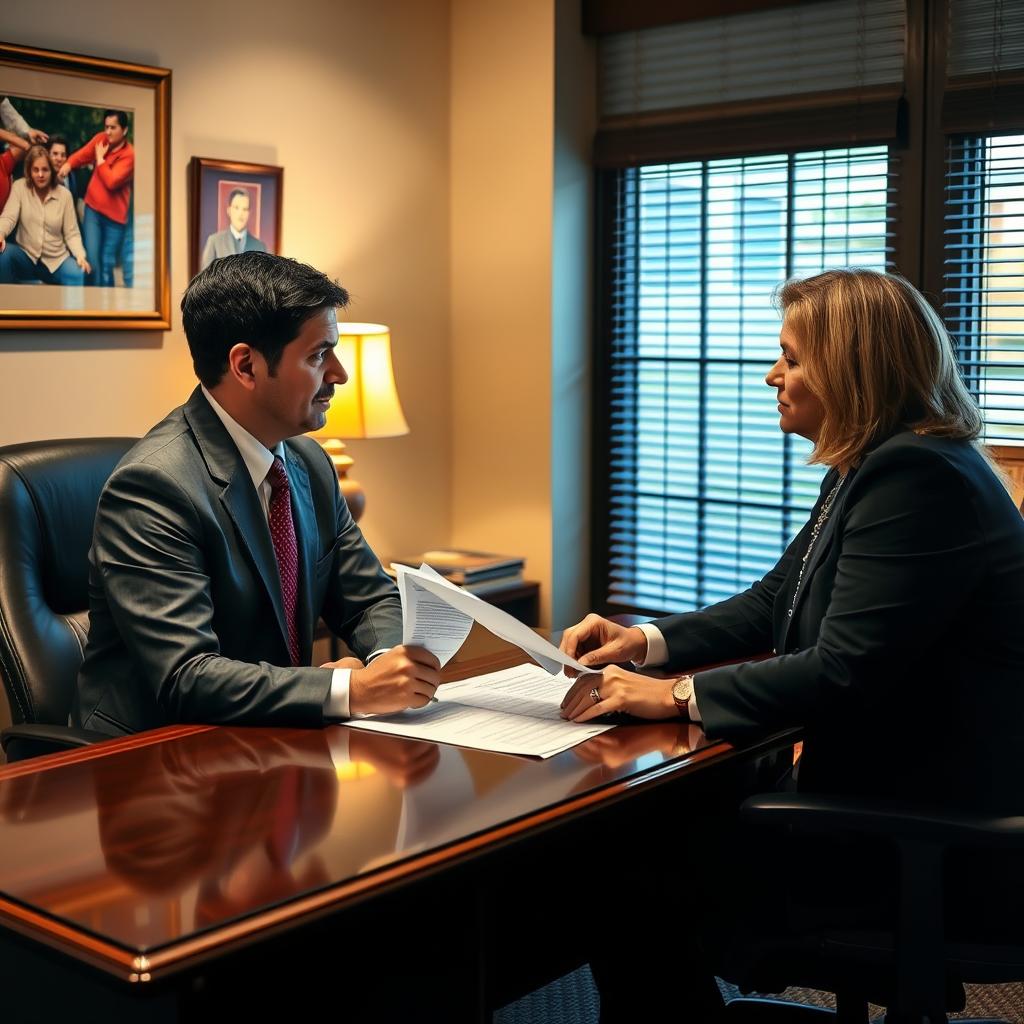
Visitation Enforcement Lawyer Prince William County
If your visitation order is being ignored in Prince William County, you need a lawyer to enforce it. A Visitation Enforcement Lawyer Prince William County files a motion for a Rule to Show Cause in the Juvenile and Domestic Relations District Court. Law Offices Of SRIS, P.C. —Advocacy Without Borders. (Confirmed by SRIS, P.C.)
Statutory Definition of Visitation Enforcement in Virginia
Enforcing a visitation order in Virginia is governed by the Virginia Code, specifically § 20-124.2, which classifies violation of a court order as contempt of court, carrying a maximum penalty of 10 days in jail and a $250 fine. This statute is the legal foundation for holding a parent accountable when they deny court-ordered visitation. The court’s authority to enforce its own decrees is paramount in family law matters. A visitation enforcement lawyer Prince William County uses this code to file the necessary legal action.
The statute does not create a new criminal offense but invokes the court’s inherent contempt powers. Contempt can be either civil or criminal in nature, depending on the court’s purpose in imposing a penalty. Civil contempt aims to coerce compliance with the order for the benefit of the other party. Criminal contempt punishes past disobedience to vindicate the court’s authority. Most visitation enforcement cases begin as civil contempt proceedings.
Virginia Code § 20-124.1 also plays a critical role by stating the public policy favoring frequent contact between a child and both parents. This policy guides the court’s interpretation and enforcement of visitation orders. The court presumes that the existing order is in the child’s best interest. The burden shifts to the violating parent to justify their actions. A denied visitation lawyer Prince William County argues this policy to support enforcement.
What legal action enforces a visitation order?
The primary legal action is filing a Motion for a Rule to Show Cause in the Prince William County Juvenile and Domestic Relations District Court. This motion asks the judge to issue a rule ordering the other parent to appear and explain why they should not be held in contempt. The motion must detail the specific violations of the existing order. Dates, times, and circumstances of each denial must be documented. The court reviews the motion and can issue the rule if it finds probable cause for a violation.
What must be proven to win an enforcement case?
You must prove a valid court order existed, the other parent knew of the order, and they willfully disobeyed it. The existence of the order is proven by filing a certified copy with the court. Knowledge is typically presumed once the order is served. Willfulness is the key battleground; it means the act was intentional and not due to circumstances beyond their control. A simple disagreement with the order is not a defense. Evidence like texts, emails, or witness testimony is crucial.
Can I get makeup visitation time?
Yes, courts routinely award makeup visitation time as a primary remedy for denied visitation. The judge has discretion to order additional time equivalent to what was lost. This can include extra weekends, extended holidays, or additional summer time. The goal is to restore the relationship time prescribed by the original order. Makeup time is often ordered even if no further sanctions are applied. Your visitation enforcement lawyer Prince William County will specifically request this relief in the motion.
The Insider Procedural Edge in Prince William County
Your case will be heard at the Prince William County Juvenile and Domestic Relations District Court, located at 9311 Lee Avenue, Manassas, VA 20110. This court has exclusive original jurisdiction over all family law matters involving children, including visitation enforcement. The clerk’s Location for the 31st District is in Room 101 of that building. Filing a Motion for Rule to Show Cause requires precise adherence to local rules. Procedural specifics for Prince William County are reviewed during a Consultation by appointment at our Prince William County Location.
The filing fee for a motion in this court is currently $86, but fee waivers are available for qualifying individuals. You must file the motion in the same case file as your original custody or visitation order. The case number from that prior order is essential. The motion must be served on the other parent according to Virginia rules of service. The court will set a hearing date once the rule is issued. Expect the process from filing to hearing to take several weeks.
Prince William County judges expect clear documentation of violations. A calendar marking each missed visitation is more effective than general statements. Bring copies of the court order to the hearing. The court’s temperament is practical and focuses on the child’s schedule. Be prepared to discuss logistical issues like transportation. The judge may order mediation or a parenting coordinator before a contempt hearing. Having a Virginia family law attorney familiar with these local nuances is critical.
What is the typical timeline for enforcement?
From filing a motion to a final hearing typically takes 60 to 90 days in Prince William County. The timeline depends on the court’s docket and the complexity of the case. The initial review by a judge to issue the rule can take 1-2 weeks. Service of process then adds another 1-2 weeks. The hearing date is usually set 4-6 weeks after service is completed. Motions for emergency relief can be heard faster if there is an immediate threat to the child.
What are the court costs beyond the filing fee?
Additional costs can include fees for service of process by a sheriff or private process server, typically $25-$50. If you request subpoenas for witnesses, there are witness fees. There may be costs for obtaining certified copies of prior orders. If the court appoints a guardian ad litem to represent the child’s interests, you may share that cost. Your attorney’s fees are the most significant cost. Discuss fee structures during your initial Consultation by appointment with SRIS, P.C.
Penalties & Defense Strategies for Visitation Denial
The most common penalty range for contempt in a visitation case is a suspended jail sentence, a fine up to $250, and an award of attorney’s fees to the prevailing party. Judges in Prince William County often use suspended sentences to compel future compliance. The threat of active jail time is real but less frequently imposed for first-time offenders. The court’s primary goal is to secure the child’s access to both parents. Monetary sanctions and fee awards are common tools.
| Offense | Penalty | Notes |
|---|---|---|
| Civil Contempt for Visitation Denial | Up to 10 days jail / $250 fine | Penalty often suspended pending compliance; purgeable by obeying order. |
| Attorney’s Fees Award | Full or partial fees | Court can order violating party to pay other side’s legal costs under VA Code § 20-99. |
| Makeup Visitation | Equivalent time awarded | Standard remedy; court designs schedule to compensate for lost time. |
| Modified Custody/Visitation Order | Change of terms | Repeated violations may lead to reduced time or supervised visitation for violator. |
| Community Service | Up to 50 hours | Alternative sanction sometimes ordered in lieu of a fine. |
[Insider Insight] Prince William County prosecutors in the Commonwealth’s Attorney’s Location do not typically get involved in civil contempt cases. These are litigated between the parties. However, the judges in the J&DR court have little tolerance for blatant, willful disregard of orders. They view consistent denial as harmful to the child. Presenting a pattern of behavior is key. Defenses like “the child was sick” require medical documentation. A one-time issue is not contempt; a habit is.
What are the license implications of a contempt finding?
A contempt finding in a civil family law case does not directly affect your driver’s license. It is not a criminal conviction for DMV purposes. However, the court can impose conditions like attending parenting classes. Failure to comply with those conditions could lead to further sanctions. The contempt order itself becomes part of the permanent court record. It can be used against you in future modification proceedings. It demonstrates a history of non-compliance to a judge.
How do penalties differ for first vs. repeat offenses?
First offenses often result in a warning, makeup time, and a suspended penalty. The judge will give a clear directive to comply. Repeat offenses trigger escalating penalties. A second offense may lead to an unsuspended fine or a weekend in jail. A third or subsequent violation risks active jail time, modification of custody, and substantial attorney’s fee awards. The court’s patience wears thin with repeat offenders. Documenting a pattern is crucial for the aggrieved parent.
Why Hire SRIS, P.C. for Visitation Enforcement
Our lead family law attorney in Prince William County is a seasoned litigator with over a decade of experience specifically in Virginia custody and visitation disputes. This attorney has handled numerous motions for rule to show cause and contempt hearings in the Prince William County J&DR Court. They understand the local judges’ preferences and the procedural shortcuts that avoid delays. SRIS, P.C. provides focused legal representation that treats your family’s time as urgent.
Primary Attorney: The attorney handling visitation enforcement at our Prince William County Location has a proven record in family court. Their background includes extensive motion practice and trial advocacy. They are familiar with all court personnel and local rules. This attorney focuses on achieving practical results that restore your relationship with your child.
SRIS, P.C. approaches visitation enforcement with a strategic focus on evidence. We guide clients on how to properly document every denial. We draft precise motions that meet the court’s probable cause standard. Our firm differentiates itself by preparing every case as if it will go to a full evidentiary hearing. We are direct with clients about case strengths and realistic outcomes. We are advocates, not mediators, when an order is being flouted. Explore our experienced legal team for your case.
Localized FAQs for Prince William County Parents
What is the first step if my ex denies my visitation in Prince William County?
Formally document the denial in writing to the other parent. Then, contact a visitation enforcement lawyer Prince William County to file a Motion for Rule to Show Cause in the J&DR Court. Do not engage in self-help or withhold support.
How long does a parent have to deny visitation before it’s contempt?
There is no set number. One missed visit may not suffice, but a pattern establishes willfulness. Two or more documented denials of scheduled time typically support a contempt motion in Prince William County.
Can I call the police if my ex won’t give me my child for visitation?
Police often decline to intervene in civil custody disputes. They may advise you to seek a court order. A contempt action filed by your denied visitation lawyer Prince William County is the proper legal remedy.
What evidence do I need to prove visitation was denied?
Keep a detailed log with dates and times. Save text messages or emails discussing the denial. Note any witnesses present. Certified call records can also serve as evidence for phone calls about the refusal.
Can I get my attorney’s fees paid by the other parent?
Yes, Virginia law allows the court to order the violating parent to pay your reasonable attorney’s fees and costs. This is a common request in successful enforcement actions in Prince William County.
Proximity, CTA & Disclaimer
SRIS, P.C. has a Location serving Prince William County and the surrounding region. Our legal team is familiar with the courthouse at 9311 Lee Avenue. We provide direct representation for parents needing to enforce court orders. Consultation by appointment. Call 703-636-5417. 24/7.
We address family law matters including custody, visitation, and support. Our approach is based on Virginia statute and local court practice. We prepare each case for the specific expectations of Prince William County judges. If you face repeated denial of your court-ordered time, take legal action. Contact our team to discuss enforcing your rights.
Past results do not predict future outcomes.