
Indian Divorce Lawyers Prince William VA: Comprehensive Guide to Family Law Matters
As of December 2025, the following information applies. In Prince William, Indian Divorce Lawyers address the unique cultural and legal aspects of divorce within the South Asian community. This involves understanding both Virginia divorce statutes and how they intersect with cultural practices, such as arranged marriages, dowry issues, and specific religious customs. The Law Offices Of SRIS, P.C. provides dedicated legal representation for these matters.
Confirmed by Law Offices Of SRIS, P.C.
What is Indian Divorce Law in Prince William VA?
Indian divorce law in Prince William, VA, isn’t a separate set of statutes. Instead, it refers to the application of Virginia’s established divorce and family law to individuals from an Indian or South Asian background. This often means addressing specific cultural nuances, religious traditions (like Hindu, Muslim, Sikh, or Christian marriage rites), and family expectations that might influence the divorce process. While Virginia law governs the legal dissolution of marriage, property division, child custody, and support, understanding these cultural factors is paramount. For instance, issues such as returning dowry, the financial contributions of extended family, or the desire to preserve cultural ties for children can play a significant role in negotiations and court proceedings. A knowledgeable attorney understands how to present these culturally sensitive details within the framework of Virginia’s legal system to ensure your rights and interests are fully protected during your divorce.
Takeaway Summary: Indian divorce law in Prince William VA applies Virginia statutes while considering the unique cultural and religious aspects of South Asian marriages. (Confirmed by Law Offices Of SRIS, P.C.)
How to Approach an Indian Divorce in Prince William VA?
Divorce is never easy, but when cultural and familial expectations intersect with legal processes, it can feel overwhelming. Approaching an Indian divorce in Prince William, VA, requires a thoughtful, strategic plan that respects your background while fiercely protecting your legal rights. It’s not just about filing papers; it’s about understanding the unique dynamics at play and having an attorney who genuinely gets it. Here’s a breakdown of the steps you’ll generally take, but remember, every situation is distinct, and legal counsel is always your best first step.
Step 1: Seek a Confidential Case Review with an Attorney
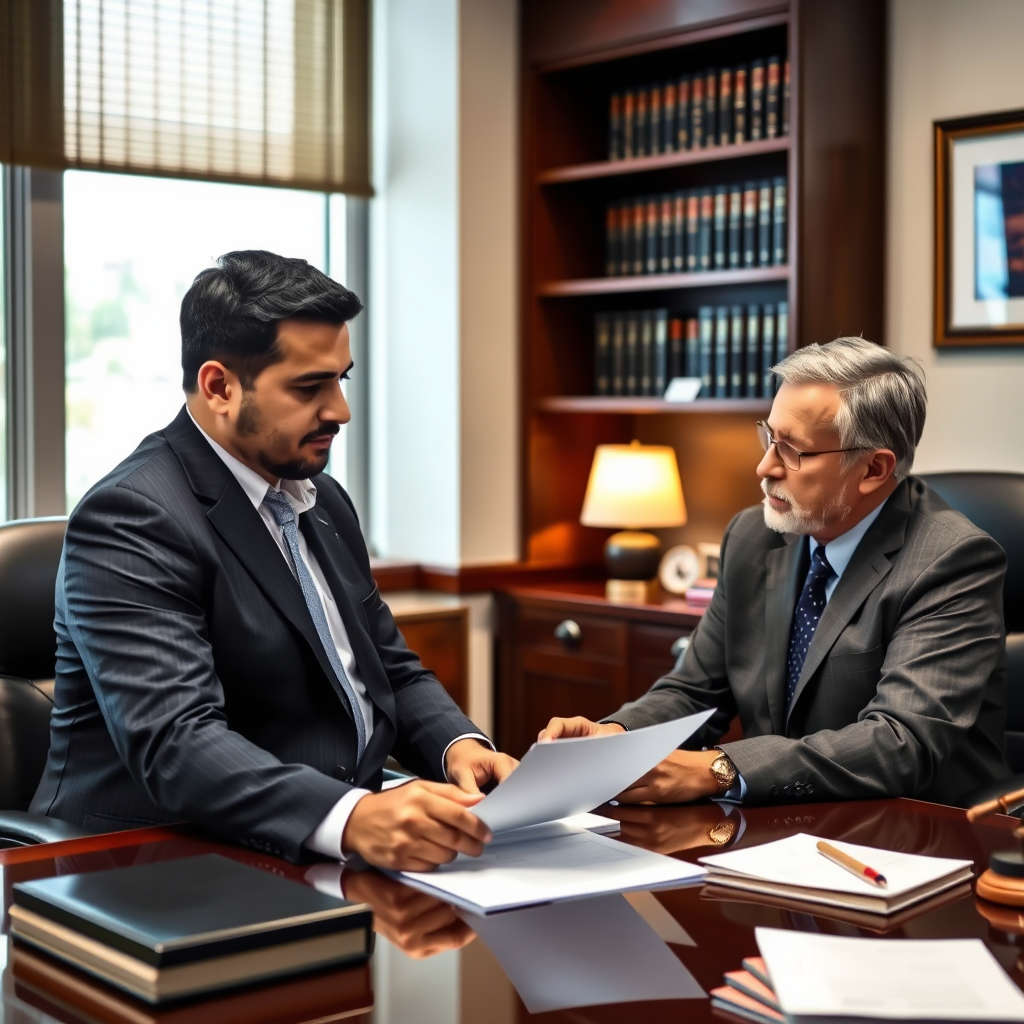
Before you do anything else, arrange a confidential case review with an attorney experienced in family law, particularly one familiar with the cultural considerations often present in South Asian divorces. During this initial meeting, you’ll discuss your situation, including marriage details, assets, debts, children, and any specific cultural practices relevant to your marriage (e.g., dowry, joint family property, religious ceremonies). This is your opportunity to lay out all your concerns and ask questions. A good attorney will listen empathetically and explain your options under Virginia law, helping you understand what to expect. They will clarify the legal grounds for divorce in Virginia, whether fault-based or no-fault, and discuss potential timelines. This early discussion is essential for building a strategy tailored to your circumstances.
Step 2: Understand Virginia’s Grounds for Divorce
In Virginia, you can pursue a no-fault divorce or a fault-based divorce. A no-fault divorce requires separation for at least six months with no minor children and a separation agreement, or separation for one year if there are minor children or no agreement. Fault-based grounds include adultery, cruelty, desertion, or conviction of a felony with a sentence of one year or more. The choice of grounds can affect the timeline and complexity of your divorce. For many Indian families, the social implications of a fault-based divorce can be significant, making a no-fault divorce a more amicable and culturally sensitive path, if possible. Your attorney will help you assess which ground is most appropriate and least disruptive for your situation, while still ensuring your legal protections are maximized.
Step 3: Address Child Custody and Support
If you have children, their well-being is often the primary concern in any divorce. Virginia courts prioritize the best interests of the child when determining custody arrangements, which can include sole physical and legal custody, or more commonly, joint physical and legal custody. For Indian families, maintaining cultural heritage, religious education, and strong ties with extended family often becomes a key point of discussion. Your attorney will advocate for arrangements that not only meet legal requirements but also respect your desire to preserve your children’s cultural identity. Child support is calculated based on statutory guidelines, considering parents’ incomes and the number of children. Spousal support (alimony) is a separate consideration and is determined based on various factors, including the length of the marriage, financial needs, and contributions of each spouse.
Step 4: Divide Marital Property and Debts
Virginia is an equitable distribution state, meaning marital property and debts are divided fairly, though not necessarily equally. Marital property includes assets acquired during the marriage, regardless of who earned the money or whose name is on the title. This can involve real estate, bank accounts, investments, retirement funds, and even business interests. For many Indian families, this may also involve addressing assets held overseas, inherited property, or significant financial contributions from extended family members. Untangling these finances requires meticulous attention to detail and often the assistance of financial experts. Your attorney will work to identify and value all marital assets and debts, advocating for a fair distribution that reflects your contributions and future needs.
Step 5: Navigate Cultural and Religious Considerations
This is where an attorney familiar with South Asian culture becomes invaluable. Issues like the return of dowry, specific religious divorce customs (e.g., Triple Talaq in Islam, or Hindu rites), or the impact of divorce on family reputation can be deeply personal and emotionally charged. While Virginia law doesn’t directly enforce religious or cultural divorce practices, an experienced attorney can help you understand how these factors might be addressed within the legal framework, or how they might influence out-of-court settlements. The goal is to achieve a divorce that is legally sound while minimizing cultural friction and preserving dignity, especially within tight-knit communities. Your lawyer can guide you on how to discuss these sensitive issues during mediation or negotiation.
Step 6: Formalize Agreements or Proceed to Court
Once all issues—custody, support, property division—have been discussed, the goal is often to reach a Marital Settlement Agreement (MSA). An MSA is a legally binding contract that outlines all terms of your divorce. If both parties can agree, this is usually the quickest and least adversarial path. If an agreement cannot be reached through negotiation or mediation, your case may proceed to litigation in court. During litigation, a judge will hear evidence and make decisions on all outstanding issues. While litigation can be more costly and time-consuming, it sometimes becomes necessary to ensure a fair outcome, particularly when significant disagreements persist. Your attorney will represent your interests vigorously, whether in settlement discussions or in the courtroom.
Step 7: Finalize the Divorce Decree
The final step is for the court to enter a Final Decree of Divorce. This document legally dissolves your marriage and incorporates all agreements regarding property, support, and children. Once the decree is entered, your divorce is legally complete. Your attorney will ensure all necessary paperwork is correctly filed and that you understand the terms of your divorce decree. It’s important to remember that post-divorce modifications to custody or support may be possible if there is a significant change in circumstances, and your attorney can advise you on these possibilities if they arise in the future. Throughout this entire process, having knowledgeable and empathetic legal representation makes a profound difference, transforming a daunting journey into a structured and manageable path.
Can I Maintain My Cultural Identity and Traditions During an Indian Divorce in Prince William VA?
A common concern for individuals undergoing an Indian divorce in Prince William, VA, is whether they can maintain their cultural identity and traditions, especially when children are involved. This isn’t just a legal question; it’s a deeply personal one that touches on family values, heritage, and the future. The short answer is yes, with the right legal approach and understanding, you absolutely can work to preserve and uphold your cultural identity throughout and after your divorce.
Virginia courts, while bound by state law, are increasingly sensitive to cultural considerations, particularly when it comes to the best interests of children. Judges understand that a child’s cultural and religious upbringing is a vital part of their identity. Therefore, when making decisions about child custody and visitation, courts will often consider how arrangements can best support a child’s connection to their heritage. This could mean ensuring children continue to attend religious ceremonies, participate in cultural festivals, or spend time with extended family members who reinforce their cultural background. Your legal counsel can help articulate the importance of these elements to the court or during negotiations, making them a part of your parenting plan.
For instance, a parenting plan can specifically outline provisions for religious education, celebrating cultural holidays, or even permitting travel to India or other South Asian countries to visit family. These provisions can be negotiated between the parties and incorporated into a Marital Settlement Agreement. When presenting such requests, it’s beneficial to show how these traditions are part of the children’s routine and how maintaining them contributes positively to their development and sense of belonging. An experienced attorney can strategically frame these requests, ensuring they are seen not as an imposition, but as a beneficial aspect of the children’s lives that should be preserved despite the divorce.
Beyond child-related matters, individuals can also find ways to uphold their personal cultural identity. This might involve how property is divided, especially if certain assets hold significant cultural or familial value, or how post-divorce financial arrangements allow one to maintain certain community ties. For example, if there are assets acquired from family in India or assets that represent a legacy, your attorney can argue for their careful consideration in the equitable distribution process. Your legal team works to ensure that the divorce terms reflect an understanding of your entire life, not just the legal breakdown of a marriage. It’s about crafting a new future that honors your past and allows you to move forward with your cultural integrity intact.
The key is proactive communication with your attorney. By clearly articulating your cultural values and priorities from the outset, your legal representative can build a case or negotiate an agreement that protects these elements. They can help you explore options like mediation, where cultural mediators might be involved, or ensure that any settlement agreement is carefully worded to include specific provisions that safeguard your traditions. The Law Offices Of SRIS, P.C. understands these deeply personal aspects and strives to ensure that while your marriage may be dissolving, your cultural identity remains a strong and vibrant part of your life and your children’s lives in Prince William VA.
Why Hire Law Offices Of SRIS, P.C. for Your Indian Divorce in Prince William VA?
When facing an Indian divorce in Prince William, VA, you need more than just a lawyer; you need an advocate who understands the intricate blend of legal requirements and cultural sensitivities. At Law Offices Of SRIS, P.C., we offer compassionate and knowledgeable representation, ensuring your unique needs are met during this challenging time. Our approach is direct, empathetic, and focused on securing the best possible outcome for you.
Mr. Sris, the founder of the firm, brings a unique perspective and seasoned experience to every case. He states, “My focus since founding the firm in 1997 has always been directed towards personally representing the most demanding family law matters our clients face.” This commitment to personal attention and a deep understanding of family law dynamics is what sets Law Offices Of SRIS, P.C. apart. We recognize that an Indian divorce often involves layers of family expectations, financial considerations tied to extended family, and the profound importance of preserving cultural identity for children.
We believe in providing clear, actionable advice, cutting through the legal jargon to give you real-talk guidance. We understand the anxieties that come with divorce, especially within a close-knit community, and we are here to provide reassurance and clarity. Our team is well-versed in Virginia family law and adept at addressing the specific challenges that arise in South Asian divorces, from issues concerning dowry and international assets to culturally sensitive child custody arrangements.
When you choose Law Offices Of SRIS, P.C., you gain a dedicated partner who will listen to your story, understand your priorities, and develop a tailored strategy. We are committed to achieving a fair resolution, whether through skilled negotiation, mediation, or tenacious courtroom representation. Our goal is to minimize stress, protect your assets, and ensure the well-being of your children, all while respecting your cultural background.
Law Offices Of SRIS, P.C. has locations in Virginia in Fairfax. Our address for cases in Prince William is: 4008 Williamsburg Court, Fairfax, VA, 22032, US. You can reach us at: +1-703-636-5417.
Call now for a confidential case review and let us help you navigate your Indian divorce with confidence and peace of mind.
Frequently Asked Questions About Indian Divorce in Prince William VA
Q1: Is dowry an issue in Virginia divorce cases involving Indian couples?
While dowry itself isn’t legally recognized in Virginia, contributions made during marriage, including those related to dowry, can impact property division. An attorney can help trace assets and argue for their equitable distribution under Virginia’s laws, considering the unique financial aspects often present in Indian marriages.
Q2: Can I get an annulment instead of a divorce in Virginia for an Indian marriage?
Annulments in Virginia are granted under very specific circumstances, such as fraud, bigamy, or incapacity to consent, making them rare. Most Indian marriages dissolving in Prince William VA proceed through divorce. Your attorney can assess if an annulment is even a possibility for your specific situation.
Q3: How are cultural values handled in child custody decisions?
Virginia courts prioritize the child’s best interests. This often includes maintaining cultural and religious ties. Your attorney can advocate for parenting plans that incorporate cultural education, language, and traditions, ensuring your child’s heritage is preserved while establishing custody arrangements.
Q4: What if one spouse lives in India during the divorce process?
If a spouse resides in India, special procedures for service of process and jurisdiction may apply. It can complicate the divorce, especially regarding property division and enforcement of orders. An experienced attorney can guide you through the international aspects and logistical challenges involved.
Q5: Is mediation suitable for Indian divorces in Prince William VA?
Mediation can be highly effective for Indian divorces, allowing couples to reach mutually agreeable solutions while respecting cultural sensitivities. It offers a private, less adversarial way to address complex issues. An attorney can represent your interests during mediation to ensure a fair outcome.
Q6: How long does an Indian divorce typically take in Prince William VA?
The timeline varies significantly based on whether it’s a no-fault or fault-based divorce, the level of agreement between spouses, and the complexity of financial or child custody issues. A no-fault divorce with a separation agreement can be quicker, but contested cases take longer. Your attorney can provide a more accurate estimate.
Q7: Can a prenuptial agreement from India be enforced in Virginia?
A prenuptial agreement executed in India may be enforceable in Virginia if it meets Virginia’s legal requirements for such agreements, including proper execution and fairness. The enforceability depends on various factors. Your attorney will review the document and advise on its validity in Virginia courts.
Q8: What are common challenges in Indian divorce cases in Prince William VA?
Common challenges include cultural stigmas, family involvement, international property issues, dowry-related disputes, and ensuring children maintain cultural ties. An attorney familiar with these unique dynamics is essential to effectively address these challenges within the Virginia legal framework.
The Law Offices Of SRIS, P.C. has locations in Virginia in Fairfax, Loudoun, Arlington, Shenandoah and Richmond. In Maryland, our location is in Rockville. In New York, we have a location in Buffalo. In New Jersey, we have a location in Tinton Falls.
Past results do not predict future outcomes.
Married in India, divorcing in Virginia? Start with our statewide guide to Indian divorce lawyers Virginia.