
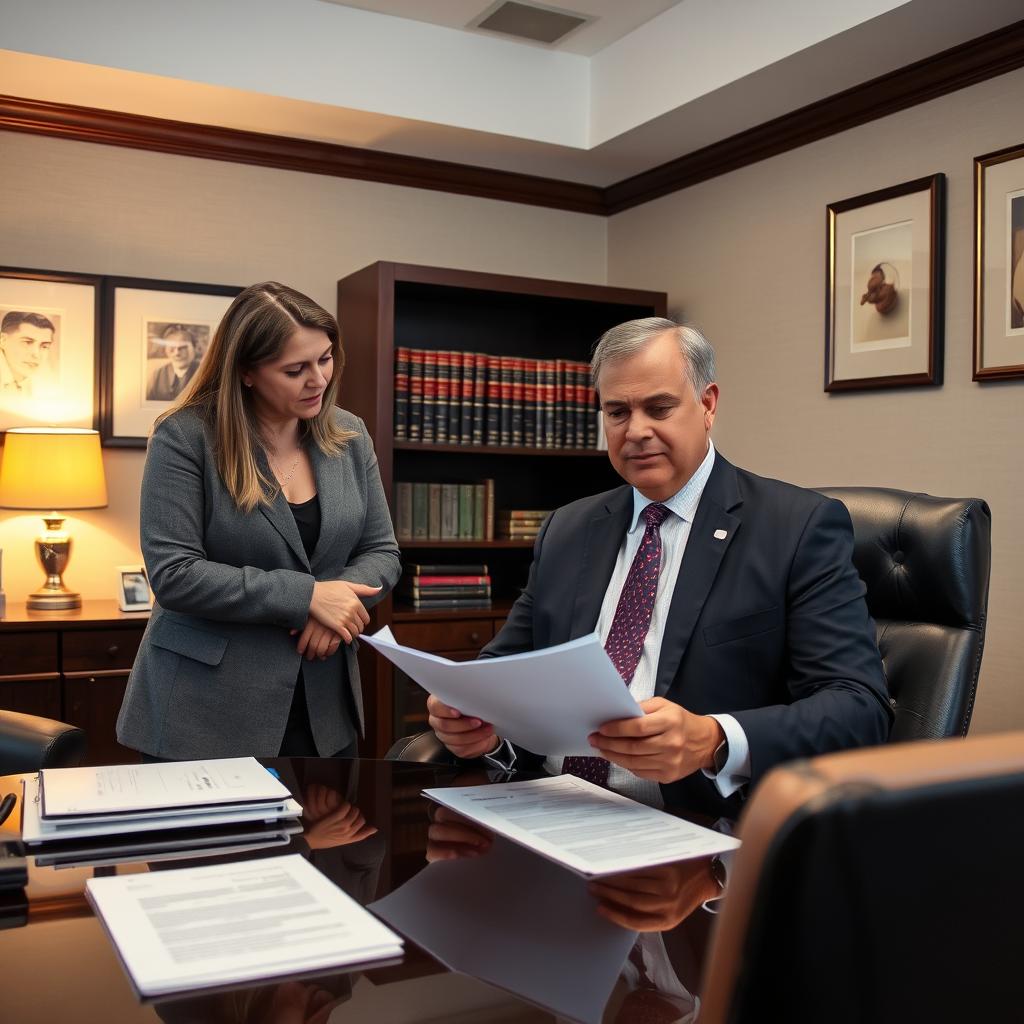
Visitation Lawyer Falls Church, VA
Visitation disputes—determining when, where, and under what conditions a non-custodial parent or other family member spends time with a child—can be among the most emotionally charged matters in Virginia family law. For parents, grandparents, and caregivers in the Falls Church area, the courts at 300 Park Avenue apply carefully structured legal standards under Va. Code § 20‑124.2 and § 20‑124.3 to resolve these disagreements. The Falls Church Juvenile and Domestic Relations District Court handles standalone visitation petitions, while divorce-related visitation issues proceed in the Falls Church Circuit Court. Mr. Sris, Owner and Founder of Law Offices Of SRIS, P.C., has concentrated his practice on family law since 1997, and he and his Of Counsel bring extensive experience in visitation matters to clients throughout the City of Falls Church. For a consultation, reach our firm at (888) 437‑7747. Law Offices Of SRIS, P.C. – Advocacy Without Borders.
What Visitation Means in Falls Church, Virginia
Visitation—often labeled “parenting time” in other jurisdictions—is governed in Virginia by a statutory best‑interests framework. Falls Church family courts operate within the Seventeenth Judicial District. The Falls Church Juvenile and Domestic Relations District Court on Park Avenue hears petitions to establish, modify, or enforce visitation when no divorce is pending, while the Falls Church Circuit Court resolves visitation as part of an equitable distribution case. The distinction matters because although both courts apply the same statutory factors under Va. Code § 20‑124.3, the procedural posture and the roster of judicial officers differ.
Virginia treats a child’s relationship with both parents as presumptively beneficial. A court may restrict visitation only when evidence demonstrates that a parent’s conduct poses a risk to the child’s physical or emotional well‑being. In supervised‑visitation cases—common when allegations of substance abuse, domestic violence, or mental‑health concerns arise—the Falls Church J&DR Court may order visits to occur at a court‑approved facility or with a neutral third party present. Grandparent visitation, though narrower in scope, is also available under limited statutory conditions. Navigating these layers requires an understanding of how the local bench applies the statutory factors and of what alternative dispute‑resolution options, such as mediation, may be appropriate in Falls Church.
How Mr. Sris and His Of Counsel Handle Visitation Cases
Visitation cases demand a balanced approach: protecting the child’s welfare while preserving the parent‑child bond. Mr. Sris and his Of Counsel begin by gathering the factual foundation—school records, communication logs between parents, mental‑health evaluations, and any relevant protective‑order history—that the Falls Church courts will expect to see. Because Virginia law requires the judge to consider each parent’s willingness to support the child’s relationship with the other parent, demonstrating a history of cooperation or, conversely, a pattern of obstruction can be pivotal.
When negotiation is possible, a consent order drafted to meet the Falls Church court’s formatting preferences can resolve the matter without an evidentiary hearing. If the parties cannot agree, Mr. Sris and his Of Counsel present the case at a hearing, marshaling testimony and exhibits to address each of the statutory best‑interests factors. They also work to anticipate future flashpoints—holiday schedules, summer vacation travel, relocation requests—and to build into any order the flexibility the family is likely to need as children grow. For enforcement actions, the focus shifts to documenting willful violations and to requesting make‑up visitation or, in egregious circumstances, a modification of the existing order.
About Mr. Sris and His Of Counsel Team
Mr. Sris, Owner and Founder of Law Offices Of SRIS, P.C., has practiced family law in Virginia since 1997. A former prosecutor, he understands courtroom dynamics from both sides and has testified before the Virginia House Courts of Justice Committee in support of 2019 HB 635 (chief patron Del. David Bulova). Mr. Sris is admitted in Virginia, Maryland, the District of Columbia, New Jersey, and New York. His Of Counsel team includes lawyers with significant litigation experience, including a former Virginia State Trooper and a former Maryland Assistant State’s Attorney, giving the firm a multi‑angle perspective on family‑law disputes. The firm has documented over 4,739 case results across all practice areas. Results may vary. in any matter.
Frequently Asked Questions
What factors does a Falls Church court consider when deciding visitation?
Falls Church courts apply the ten best‑interests factors listed in Va. Code § 20‑124.3, including each parent’s relationship with the child, the child’s needs, and any history of family abuse. The judge weighs these factors to craft a schedule that serves the child’s welfare. In practice, the Falls Church J&DR and Circuit Courts also examine each parent’s willingness to foster the child’s relationship with the other parent. Evidence of cooperation, or lack of it, can significantly influence the outcome.
Can a visitation order be modified in Falls Church?
Yes, a parent or other party may request a modification of visitation when there has been a material change in circumstances since the last order. Common changes include a parent’s relocation, a change in the child’s school schedule, or a parent’s remarriage. The Falls Church J&DR Court (for standalone matters) or Circuit Court (when a divorce is pending) will evaluate whether the proposed alteration serves the child’s best interests.
How does supervised visitation work in Falls Church?
If the court has concerns about a parent’s ability to provide a safe environment, it may order supervised visitation—visits that occur in the presence of a neutral third party or at a court‑approved facility. The supervisor typically observes the interaction and may provide a report to the court. The parent seeking to lift the supervision later must show that the conditions justifying supervision no longer exist. An experienced attorney can help present that evidence to the Falls Church court.
Do grandparents have visitation rights in Falls Church?
Grandparents may petition for visitation under limited circumstances, but they must overcome the legal presumption that a fit parent’s decision about grandparent contact is in the child’s best interests. The Falls Church J&DR Court will consider the existing parent‑child relationship and whether denying visitation would harm the child. Grandparent‑visitation cases are fact‑intensive and require a close reading of Virginia statutory and case law.
What should I bring to a visitation consultation?
Bring any existing court orders, a brief summary of the current parenting schedule, relevant communication records (texts, emails, parenting‑app logs), and any documents that show the child’s school or activity schedule. If safety concerns exist, bring protective‑order paperwork or police reports. Preparedness helps us identify the key legal issues quickly and advise you on the most efficient path forward in the Falls Church courts.
How do I enforce a visitation order in Falls Church?
If the other parent is denying court‑ordered visitation, you may file a show‑cause petition in Falls Church J&DR Court (or Circuit Court, if the order stems from a divorce) asking the judge to compel compliance. The court may order make‑up visitation time, impose fines, or, in repeated or serious cases, modify the existing order. Document every denied visit with dates and supporting evidence to strengthen your enforcement request.
For more information about family law representation in nearby communities, see our pages for Fairfax County, Fairfax City, and Prince William County.
Review Virginia family law statutes: Virginia Code Title 20 (Domestic Relations) · Falls Church Circuit Court · Virginia Juvenile & Domestic Relations District Courts.
Attorney advertising. Prior results do not guarantee a similar outcome. Results may vary.
Case results depend on a variety of factors unique to each case.