
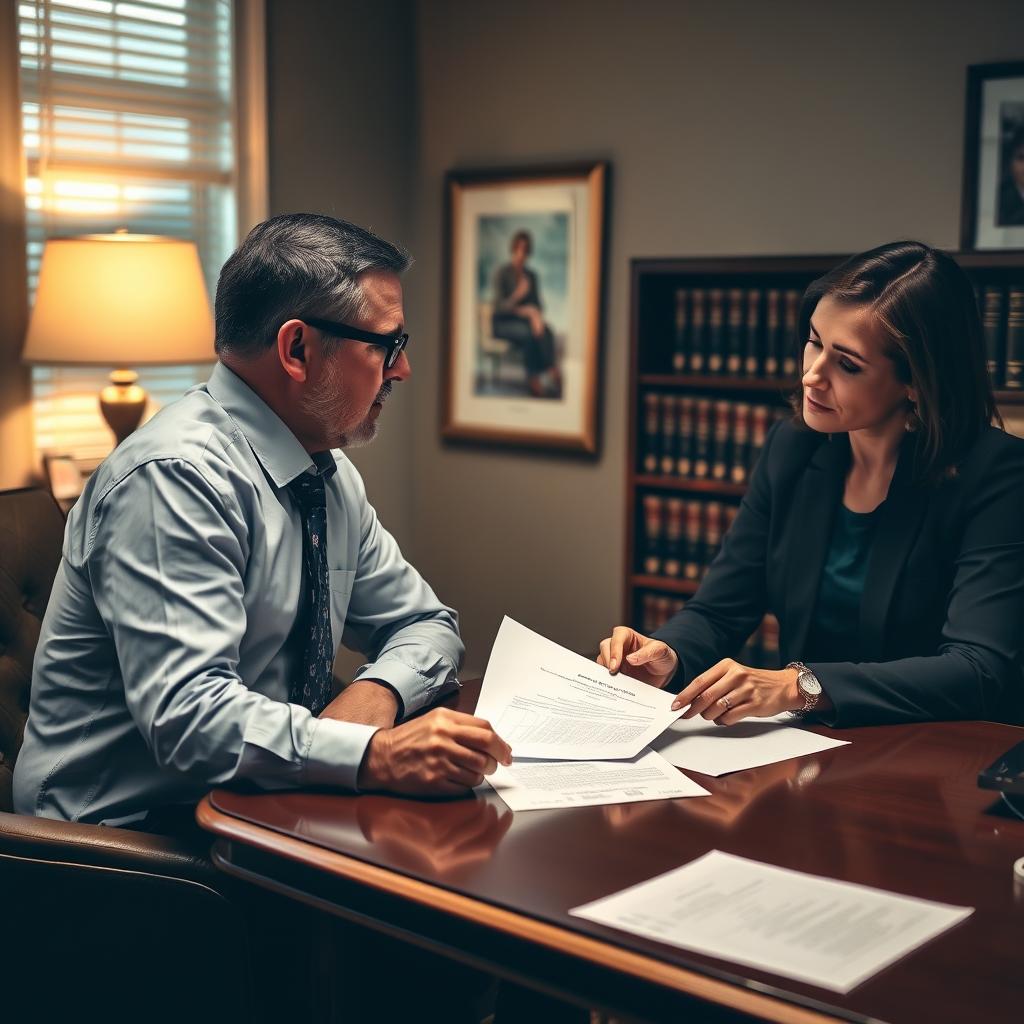
Third Party Custody Lawyer Falls Church, VA
When a child’s parents are unable or unwilling to provide a safe and stable home, another adult—a grandparent, aunt, uncle, sibling, or family friend—may seek legal custody through the Virginia courts. This area of law, commonly called third party custody, requires the court to determine whether placing the child with a non-parent serves the child’s best interests. In Falls Church, Virginia, third party custody petitions are heard in the Falls Church Juvenile and Domestic Relations District Court when the matter is standalone, or in the Falls Church Circuit Court when the custody dispute arises within a divorce or equitable distribution proceeding. Mr. Sris, Owner and Founder of Law Offices Of SRIS, P.C., concentrates his practice on family law matters including third party custody cases for clients in and around Falls Church. Our Fairfax location at 4008 Williamsburg Court, Fairfax, VA 22032 represents individuals throughout the Falls Church area. To discuss your situation with a third party custody lawyer serving Falls Church, call our Fairfax location at (703) 636-5417 or reach us toll-free at (888) 437-7747. Law Offices Of SRIS, P.C. – Advocacy Without Borders.
What Third Party Custody Means in Falls Church, Virginia
Third party custody refers to a legal arrangement in which a person who is not a biological or adoptive parent petitions the court for legal and physical custody of a child. In Virginia, these cases are governed by the best interests of the child standard set forth in Va. Code § 20-124.2 and the factors enumerated in Va. Code § 20-124.3. A third party may be a relative such as a grandparent, or a non-relative with a significant relationship to the child. The petitioner must demonstrate by clear and convincing evidence that placing the child with a third party is necessary for the child’s welfare and that the parents are presently unable or unfit to adequately care for the child. The threshold is high, because Virginia law strongly favors parental rights. The court weighs the child’s need for stability, the nature of the relationship between the child and the third party, the parents’ circumstances, and any history of abuse or neglect. In Falls Church, these matters typically begin in the Juvenile and Domestic Relations District Court, located at 300 Park Avenue, Suite 151W, Falls Church, VA 22046. If the custody issue is part of a divorce, the Falls Church Circuit Court, also at the same address, exercises jurisdiction. Practitioners appearing in Falls Church courts are familiar with the local procedural rules and the bench’s expectations regarding evidence of parental unfitness and the child’s best interests.
Falls Church is an independent city of approximately 15,000 residents, situated within the greater Northern Virginia region and closely linked to Fairfax County. Because of its compact geography and its inclusion in the Seventeenth Judicial District, family law matters arising in Falls Church often overlap with those in adjacent Fairfax communities. Our Fairfax location regularly handles third party custody cases for Falls Church residents, providing continuity of representation across both jurisdictions. The court’s approach to third party custody petitions in Falls Church is consistent with Virginia’s equitable distribution principles when marital property is involved, but the paramount concern is always the well-being of the child. Local attorneys know that the court expects thorough documentation of the parent-child relationship, the third party’s caregiving role, and any risk factors in the parental home. When a third party custody petition is contested, the court may appoint a Guardian ad Litem to investigate and make recommendations. The timeline for resolution varies depending on the complexity of the situation and the court’s docket; contested cases with multiple witnesses and evidentiary hearings take significantly longer than uncontested ones where all parties agree on the arrangement. Mr. Sris and his Of Counsel build a comprehensive record that addresses every statutory factor, ensuring the court has the information it needs to reach a decision in the child’s best interests.
How Mr. Sris and His Of Counsel Handle Third Party Custody Cases
Mr. Sris and his Of Counsel approach every third party custody case with a thorough, fact-intensive strategy. They begin by gathering evidence that demonstrates the child’s current living situation, the parent’s fitness or unfitness, and the third party’s capability to meet the child’s physical, emotional, and developmental needs. In Falls Church, this often involves working with family members, school personnel, medical providers, and counselors to assemble a compelling record. Because third party custody disputes can arise in emotionally charged circumstances—such as after a parent’s incarceration, substance abuse, or mental health crisis—the team is prepared to handle sensitive information with care while presenting a clear case to the court. They are experienced in examining witnesses, cross-examining adverse witnesses, and introducing documentary evidence that supports the petition.
The process typically begins with a consultation in which Mr. Sris and his Of Counsel evaluate the facts, explain the legal standard, and outline the steps ahead. If the parents consent to the third party’s custody, the matter may be resolved by agreement, avoiding a trial. If the parents contest the petition, the matter proceeds through discovery, motions, and a final hearing before the Falls Church Juvenile and Domestic Relations District Court or Circuit Court. Mr. Sris and his Of Counsel handle all aspects of the litigation, from drafting the initial petition to presenting the case at trial. They keep the third party informed at every stage and are accessible to answer questions. The team’s deep familiarity with the Falls Church judicial system and Virginia family law helps them anticipate procedural hurdles and tailor their approach to the specific judge assigned to the case. Throughout the process, the goal is to secure an outcome that protects the child and provides the stability the third party can offer.
About Mr. Sris and His Of Counsel Team
Mr. Sris is the Owner and Founder of Law Offices Of SRIS, P.C., a firm that has concentrated its practice on family law and other civil matters since 1997. A former prosecutor, Mr. Sris brings courtroom experience and an understanding of how the opposing side builds its case. He is admitted in Virginia, Maryland, the District of Columbia, New Jersey, and New York, and has handled family law matters across those jurisdictions. In 2019, Mr. Sris testified before the Virginia House Courts of Justice Committee in support of 2019 HB 635 (chief patron Del. David Bulova). His thorough knowledge of Virginia family law and his commitment to each client matter make him a valuable resource for individuals seeking third party custody in Falls Church.
Mr. Sris is supported by his Of Counsel—experienced attorneys who concentrate in family law, litigation, and related practice areas. Together, Mr. Sris and his Of Counsel bring over 120 years of combined legal experience and have achieved 4,739+ documented firm-wide results. Results may vary. Every attorney who works on a Falls Church third party custody matter is familiar with the local courts, the governing statutory factors, and the practical realities of non-parent custody litigation. The team works collaboratively to ensure each client receives thoughtful, well-prepared representation. Clients can expect responsive communication and a straightforward explanation of every step in the process.
Frequently Asked Questions
What is third party custody in Virginia?
Third party custody is a legal arrangement in which a person who is not the child’s parent seeks and obtains court-ordered legal and physical custody. In Virginia, a grandparent, aunt, uncle, adult sibling, or any other person with a legitimate interest in the child’s welfare may petition for custody if the parents are unable or unwilling to care for the child. The court applies the best interests of the child standard under Va. Code § 20-124.2 and considers the factors listed in § 20-124.3, including the child’s relationship with the person seeking custody, the parents’ fitness, and any history of abuse or neglect. Because the law presumes that a parent’s right to custody is superior, the third party must present clear and convincing evidence that parental custody would be detrimental to the child. For guidance on your specific situation, reach Law Offices Of SRIS, P.C. at (888) 437-7747.
How does a third party custody case work in Falls Church, Virginia?
A third party custody case in Falls Church begins with filing a petition in the Falls Church Juvenile and Domestic Relations District Court, or in the Falls Church Circuit Court if the case is connected to a divorce. The petitioner must serve the parents and any other necessary parties. The court may appoint a Guardian ad Litem to represent the child’s interests and investigate the circumstances. If the parents consent, the matter may be resolved by agreement and presented to the court for approval. If the parents object, the case proceeds through discovery, motions, and a final evidentiary hearing. At the hearing, the third party bears the burden of proving that placing the child with the parents would be harmful and that the third party custody arrangement is in the child’s best interests. Mr. Sris and his Of Counsel handle every stage of this process for Falls Church clients. To discuss the details of your matter, contact Law Offices Of SRIS, P.C. at (888) 437-7747.
What factors does the court consider in a third party custody case?
Virginia courts consider the ten best-interest-of-the-child factors listed in Va. Code § 20-124.3, along with any other factor the court deems relevant. These statutory factors include the child’s age and physical and mental condition, the age and condition of each parent, the relationship between the child and each parent, the child’s needs and relationships with siblings and extended family, the role each parent has played in the child’s upbringing, the willingness of each parent to support the child’s relationship with the other parent, the child’s reasonable preference if of sufficient age and understanding, and any history of family abuse. In a third party custody case, the court also evaluates the fitness of the parents, the nature of the third party’s relationship with the child, the reasons the parents cannot care for the child, and the stability the third party can provide. The weight given to each factor varies with the facts of the case. For a consultation, reach Mr. Sris and his Of Counsel at (888) 437-7747.
Do I need a lawyer for a third party custody case in Falls Church?
While you are not legally required to have an attorney, third party custody cases involve a high legal burden and complex procedural rules, making experienced legal representation highly advisable. The party seeking custody must present clear and convincing evidence of parental unfitness or harm, which often requires skillful investigation, witness preparation, and effective courtroom advocacy. Court procedures in Falls Church Juvenile and Domestic Relations District Court and Circuit Court follow strict timelines and evidentiary rules. An experienced family law attorney can help you build a strong case, negotiate with the parents and their counsel, and protect your interests at every stage. Without a lawyer, you risk missing critical deadlines or failing to present the evidence the court needs to grant your petition. For guidance on your specific situation, reach Law Offices Of SRIS, P.C. at (888) 437-7747.
Can a grandparent get custody of a grandchild in Falls Church, Virginia?
Yes, a grandparent may petition for custody of a grandchild in Falls Church if the parents are unable or unwilling to provide adequate care and the grandparent can demonstrate that granting custody to the grandparent is in the child’s best interests. As with any third party custody case, the grandparent must overcome the presumption that parental custody is better for the child. The court will examine the parents’ fitness, the grandparent’s relationship with the child, the child’s adjustment to the grandparent’s home, and any history of abuse or neglect. Grandparents often have a strong claim when they have been the child’s primary caregiver for an extended period and can offer a stable, loving environment. Mr. Sris and his Of Counsel have handled many grandparent custody cases in the Falls Church area and can explain the legal standard and the steps involved. To discuss your situation, call our Fairfax location at (703) 636-5417 or toll-free (888) 437-7747.
How is a third party custody case different from guardianship or adoption?
Third party custody grants legal and physical custody to a non-parent but does not permanently sever the parents’ rights, unlike guardianship or adoption. In Virginia, a custody order can be modified later if circumstances change and the parents become fit to resume custody. Guardianship, typically handled through the circuit court, may involve different procedural requirements and can include a broader scope of decision-making authority over the child’s person and property. Adoption permanently terminates the parents’ legal rights and makes the third party the child’s legal parent. Because each type of proceeding has distinct legal implications, thresholds, and court processes, it is important to choose the correct remedy for your situation. Mr. Sris and his Of Counsel can help you evaluate whether third party custody, guardianship, or adoption is the appropriate path based on your specific facts. For a consultation, reach Mr. Sris and his Of Counsel at (888) 437-7747.
Also serving: Fairfax County family law · Fairfax City family law · Prince William County family law · Manassas family law
Attorney advertising. Prior results do not guarantee a similar outcome. Results may vary.
Case results depend on a variety of factors unique to each case.