
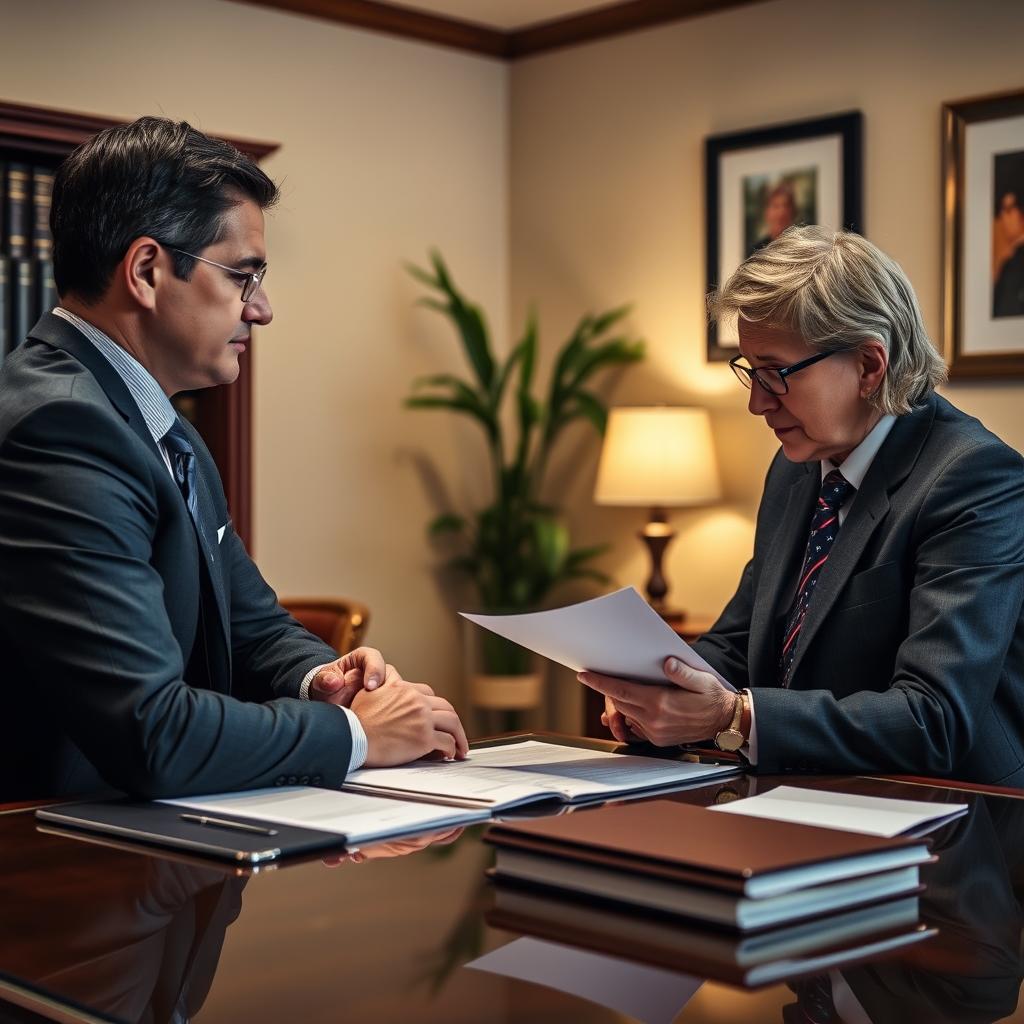
Rehabilitative Alimony Lawyer Manassas Park, VA
Rehabilitative alimony is a specific form of spousal support that helps a financially dependent spouse gain the education, training, or work experience necessary to become self-sufficient after a divorce. In Manassas Park, Virginia, rehabilitative alimony claims are decided under Va. Code § 20-107.1, which lists the factors the court weighs when determining the amount and duration of support. Whether you may be entitled to receive rehabilitative support or may be asked to pay it, the outcome can shape your financial future for years. Mr. Sris and his Of Counsel team at Law Offices Of SRIS, P.C. represent clients in rehabilitative alimony matters at the Manassas Park Circuit Court and the Manassas Park Juvenile and Domestic Relations District Court. Our firm has been practicing family law across Virginia since 1997. We work to present a clear picture of each spouse’s earning capacity, educational background, and financial needs so the court can reach a fair decision. To discuss how rehabilitative alimony may apply in your situation, reach Law Offices Of SRIS, P.C. at (888) 437-7747. Law Offices Of SRIS, P.C. – Advocacy Without Borders.
What Rehabilitative Alimony Means in Manassas Park, Virginia
Virginia is an equitable distribution state, not a community property state. That means a divorce court divides marital property fairly but not necessarily equally. Spousal support—often called alimony—is a separate issue from property division. Rehabilitative alimony is one of several forms of support available under Virginia law. It is designed to be temporary and forward-looking: the goal is to give the receiving spouse a defined period of time to acquire skills, complete a degree, or re-enter the workforce so they can support themselves at a standard reasonably comparable to the marriage.
The Manassas Park Circuit Court, located at 9311 Lee Avenue, Suite 230, Manassas, Virginia, has jurisdiction over divorce, equitable distribution, and spousal support matters. When a party requests rehabilitative alimony, the judge evaluates the factors set out in Va. Code § 20-107.1, which include each spouse’s age, physical and mental condition, earning capacity, the duration of the marriage, the standard of living established during the marriage, and the contributions each spouse made to the family’s well-being. The court also considers whether the spouse seeking support can become self-supporting within a reasonable time through training or education. Because the Circuit Court exercises broad discretion, presenting a detailed financial analysis and a well-supported rehabilitation plan is often key to a favorable outcome.
Manassas Park General District Court is currently presided over by Hon. Che C. Rogers. Court hours: Mon–Fri 8:00 AM–4:00 PM. Counsel appearing on family law matters should plan filings accordingly. The Manassas Park Juvenile and Domestic Relations District Court handles standalone custody, visitation, and child support issues; the Circuit Court hears all divorce, equitable distribution, and spousal support actions.
Rehabilitative alimony awards in Manassas Park are fact-specific. The court may set a specific duration—for example, enough time to finish a degree—or it may set a review date. In some cases, if the recipient spouse fails to make reasonable progress toward self-sufficiency, the paying spouse may seek modification. Because these determinations turn on detailed financial evidence and projections, working with experienced counsel can help ensure the court has an accurate picture of both parties’ circumstances.
How Mr. Sris and His Of Counsel Handle Rehabilitative Alimony Cases
When a client comes to us with a rehabilitative alimony question, we start by understanding the marriage’s financial history and each spouse’s current situation. We gather documentation of income, assets, debts, and the standard of living maintained during the marriage. Then we assess the requesting spouse’s realistic earning capacity—looking at education, work history, age, health, and the job market in Northern Virginia. If the client is the potential payor, we examine whether the other spouse already has marketable skills or whether the requested support is reasonable in scope and duration.
We frequently work with vocational evaluators, accountants, and financial planners to build a clear record for the Circuit Court. In Manassas Park matters, we file the appropriate pleadings and, when necessary, present the case at a hearing. We also prepare for pendente lite support hearings when temporary support is needed while the divorce is pending. Throughout the process, we aim to resolve the issue through negotiation or mediation when possible, because agreed orders often preserve more control for both parties. If a trial is necessary, our team is prepared to advocate before the judge.
After an award is entered, circumstances can change. If the recipient spouse secures employment sooner than anticipated, or if the paying spouse suffers a job loss, either party may petition the court to modify the award. Mr. Sris and his Of Counsel represent clients at modification hearings as well, whether they are seeking an adjustment or opposing an unwarranted change. We help clients understand the standard for modification—typically a material change in circumstances—and gather the evidence required to meet that standard.
About Mr. Sris and His Of Counsel Team
Mr. Sris, Owner and Founder of Law Offices Of SRIS, P.C., has practiced family law and civil litigation since 1997. A former prosecutor, Mr. Sris brings a disciplined, evidence-focused approach to every rehabilitative alimony matter. He is admitted to practice in Virginia, Maryland, the District of Columbia, New Jersey, and New York. In 2019, Mr. Sris testified before the Virginia House Courts of Justice Committee in support of 2019 HB 635 (chief patron Del. David Bulova), the legislation that revised the equitable distribution statute. That experience reflects his deep engagement with Virginia family law.
Mr. Sris and his Of Counsel bring over 120 years of combined legal experience and have achieved 4,739+ documented firm-wide results. Results may vary. The Of Counsel team includes attorneys with backgrounds in litigation, financial analysis, and complex family law disputes. Together, they help clients navigate the rehabilitative alimony process, from the initial filing through any post-divorce modifications.
Frequently Asked Questions
What is rehabilitative alimony in Virginia?
Rehabilitative alimony is a form of spousal support designed to help a financially dependent spouse become self-sufficient through education, job training, or reentry into the workforce. Unlike permanent alimony, it is awarded for a limited period tied to a specific rehabilitation goal, such as completing a degree or obtaining a professional certification. The Virginia court considers the factors in Va. Code § 20-107.1, including each spouse’s age, earning capacity, and the standard of living during the marriage, when deciding the amount and duration of rehabilitative support. The goal is to provide a bridge to independence rather than ongoing reliance.
How does the Circuit Court decide rehabilitative alimony in Manassas Park?
The judge evaluates the statutory factors in Va. Code § 20-107.1 and weighs evidence about the requesting spouse’s current and potential earning ability. Evidence typically includes income and expense statements, employment history, educational records, and expert testimony from vocational attorney. The court considers how long it will reasonably take for the spouse to become self-supporting and the available resources to fund that transition. Because each case is fact-driven, outcomes vary depending on the length of the marriage, the age and health of the parties, and the job market in Northern Virginia.
How long can rehabilitative alimony last?
Rehabilitative alimony is temporary by definition and lasts only as long as the court finds it necessary for the recipient spouse to achieve self-sufficiency. A specific end date or review date is typically set in the order. The duration might reflect the time needed to finish a degree program, or it may be tied to a reasonable period of job searching. If the recipient makes good-faith efforts but is unable to attain independence within the original timeframe, the court may extend the award upon a showing of good cause. Conversely, if the recipient’s circumstances improve sooner than anticipated, the paying spouse can petition for early termination or reduction.
Can a rehabilitative alimony award be modified after the divorce?
Yes, rehabilitative alimony may be modified if the party seeking the change can show a material change in circumstances that was not anticipated at the time of the original award. Common grounds for modification include a significant increase or decrease in either spouse’s income, job loss, serious illness, or the recipient spouse’s failure to pursue the rehabilitation plan. The party requesting modification must file a motion with the Circuit Court that issued the original order, and the judge will examine the new evidence under the same statutory factors. Because modification litigation can be complex, working with counsel who thoroughly documents the changed circumstances is important.
Do I need a lawyer for a rehabilitative alimony matter in Manassas Park?
While you are not legally required to have an attorney, rehabilitative alimony cases involve detailed financial evidence and statutory factors that can be difficult to navigate without legal guidance. An experienced family law attorney can help you present a clear rehabilitation plan, challenge unrealistic requests from the other side, and protect your financial interests. In Manassas Park, the Circuit Court expects parties to follow the Virginia Rules of Evidence and local procedural rules; having counsel familiar with those requirements can help your case proceed efficiently. For a consultation about your specific circumstances, reach Law Offices Of SRIS, P.C. at (888) 437-7747.
What evidence is most useful in a rehabilitative alimony hearing?
Strong evidence includes a detailed vocational assessment, updated income and expense declarations, educational transcripts, job market data, and testimony about the requesting spouse’s realistic earning capacity. The court also considers the paying spouse’s ability to pay while covering their own living expenses. Documentation of the standard of living during the marriage helps frame the support amount. Because the judge has broad discretion, presenting organized, credible evidence that aligns with the statutory factors is often the most effective strategy.
Related family law resources serving Manassas Park:
- Fairfax County family law attorney
- Fairfax (City) family law practice
- Falls Church family law lawyer
- Prince William County family law representation
- Manassas (City) family law attorney
Virginia primary sources related to rehabilitative alimony:
- Virginia Code Title 20 – Domestic Relations
- Virginia Courts – Official Website
- Va. Code § 20-107.1 – Spousal Support Factors
Attorney advertising. Prior results do not guarantee a similar outcome. Results may vary.
Case results depend on a variety of factors unique to each case.