
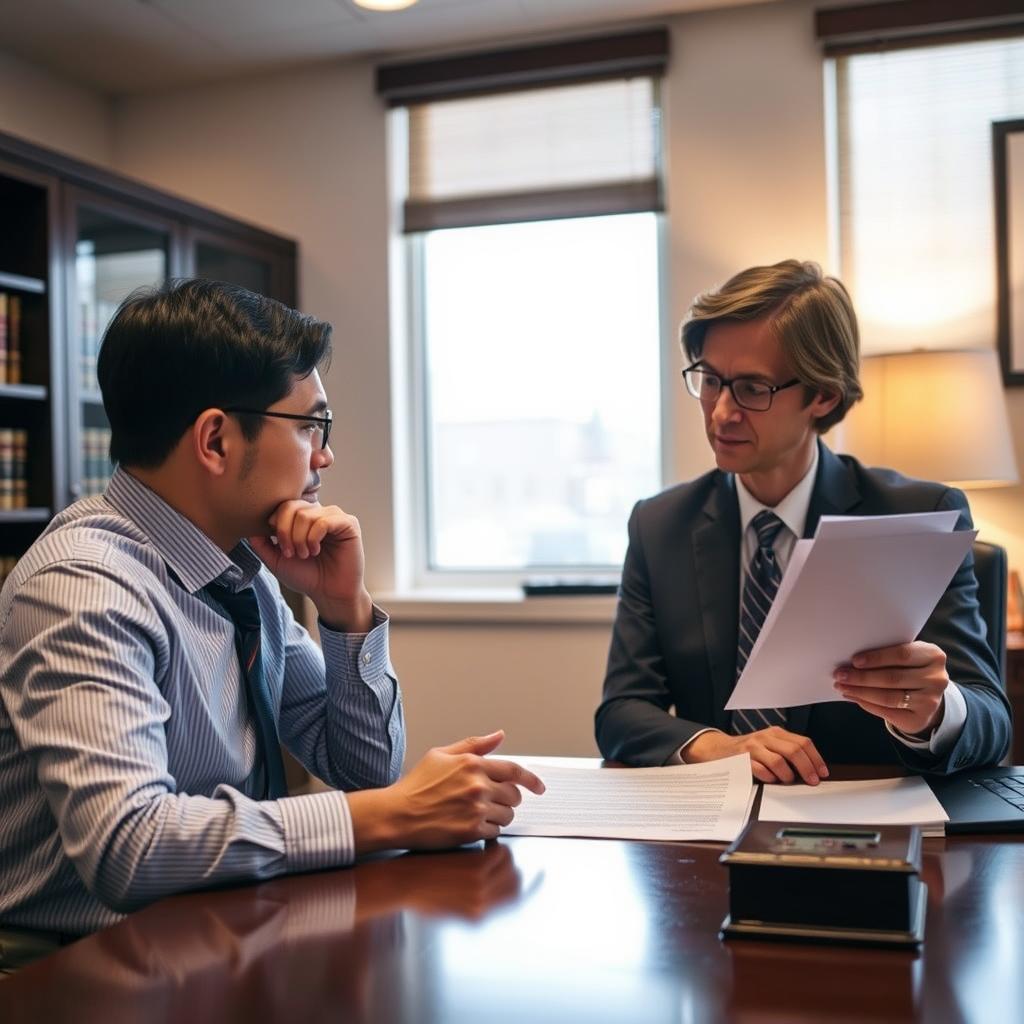
Rehabilitative Alimony Lawyer Arlington County, VA
If you are facing a divorce or separation in Arlington County and the question of support has come up, you may need to understand what rehabilitative alimony is and how a Virginia court decides whether to award it. Rehabilitative alimony is a form of temporary spousal support designed to give a spouse the time and resources to become self‑supporting after a marriage ends. At Law Offices Of SRIS, P.C., Mr. Sris and his Of Counsel team represent clients throughout Arlington, Crystal City, Rosslyn, Clarendon, Ballston, Pentagon City, and the surrounding area in matters involving rehabilitative spousal support, divorce, and equitable distribution. To discuss the specifics of your case with an experienced family law attorney, call our firm at (888) 437-7747. Law Offices Of SRIS, P.C. – Advocacy Without Borders.
Understanding Rehabilitative Alimony in Virginia
Rehabilitative alimony is one of several types of spousal support a court may order under Va. Code § 20-107.1. Unlike permanent support, which may continue indefinitely, rehabilitative alimony is intended to be temporary. The goal is to provide a dependent spouse with financial assistance for a period long enough to complete education or job training, refresh outdated skills, or otherwise position themselves to enter the workforce and achieve a standard of living that is reasonable under the circumstances. In Arlington County, requests for rehabilitative support are ordinarily part of the divorce proceeding filed in the Arlington County Circuit Court, which has exclusive original jurisdiction over divorce and equitable distribution. If the couple has children, support issues can also involve the Arlington County Juvenile and Domestic Relations District Court.
The court does not apply a formula to determine rehabilitative alimony. Instead, it weighs all of the factors listed in the statute, including the parties’ ages, health, earning capacities, education, the duration of the marriage, contributions to the family, and the standard of living established during the marriage. Because a rehabilitative award must be linked to a concrete plan for self‑sufficiency, presenting a detailed, realistic proposal is critical. The timeline for a rehabilitation plan varies based on the evidence; the court sets the duration and amount after hearing the facts. Mr. Sris and his Of Counsel assist clients in preparing that evidence and making the strong $1 for—or against—a rehabilitative support order.
Frequently Asked Questions About Rehabilitative Alimony in Arlington County
What is rehabilitative alimony?
Rehabilitative alimony is temporary spousal support awarded to help a dependent spouse obtain the education, training, or work experience necessary to become self‑supporting. It is governed by Va. Code § 20-107.1 and differs from permanent alimony, which may continue indefinitely. The recipient must typically present a rehabilitation plan—such as finishing a degree or completing a certification program—and the court sets a finite period for the support to continue.
How does the court decide whether to award rehabilitative alimony in Arlington County?
The court applies the factors listed in Va. Code § 20-107.1, evaluating the dependent spouse’s need for support and the other spouse’s ability to pay, while focusing on the rehabilitative goal of self‑sufficiency. The judge considers the ages and physical and mental condition of each party, the contributions each made to the family, the standard of living during the marriage, and the time reasonably necessary for the recipient to acquire appropriate education or training. Family law matters are heard in the Arlington County Circuit Court when part of a divorce, or in the Juvenile and Domestic Relations District Court for standalone support petitions.
Can rehabilitative alimony be modified after it is ordered?
Yes, rehabilitative alimony may be modified if there has been a material change in circumstances that was not anticipated at the time of the original order. For example, if the recipient fails to pursue the rehabilitation plan in good faith or the paying spouse’s income drops significantly, either side may petition the court to modify the award. Modifications are filed in the same court that issued the order, and the moving party must demonstrate the changed circumstances with credible evidence.
How long does rehabilitative alimony typically last?
The duration of rehabilitative alimony depends on the time the court finds reasonably necessary for the recipient to become self‑supporting, given the specifics of the case. There is no statutory cap; instead, the court ties the end date to a concrete milestone—completion of a degree, certification, or a defined period of job retraining. Because every family situation is different, the length of a rehabilitative award can range from a few months to several years.
What role does Virginia’s equitable distribution law play in rehabilitative alimony?
Equitable distribution of marital property under Va. Code § 20-107.3 can influence whether rehabilitative alimony is needed and how much is appropriate. If the dependent spouse receives a significant share of the marital estate—including liquid assets or income‑producing property—the need for ongoing support may be reduced. Conversely, if the marital assets are primarily non‑liquid, the court may award rehabilitative alimony to bridge the gap while the spouse transitions to independence.
Do I need a lawyer for a rehabilitative alimony dispute in Arlington County?
You are not legally required to have a lawyer, but an experienced family law attorney can help you present the rehabilitation plan or defend against an unreasonable request. Because rehabilitative alimony turns on the specific facts and the quality of the evidence—such as vocational assessments, budgets, and expert testimony—working with a knowledgeable attorney can make a meaningful difference in the outcome. Mr. Sris and his Of Counsel have extensive experience in spousal support litigation in Northern Virginia.
How do I start a case for rehabilitative alimony in Arlington County?
If you are seeking or contesting rehabilitative support as part of a divorce, it is raised in the Complaint for divorce filed in the Arlington County Circuit Court. If the matter involves support only—without a pending divorce—a petition can be filed in the Arlington County Juvenile and Domestic Relations District Court. Gathering financial records, a proposed rehabilitation plan, and evidence of the other spouse’s ability to pay is essential before filing. Our firm can assist with every stage of the process.
Can rehabilitative alimony be converted to permanent alimony?
In some cases, what begins as rehabilitative alimony may be extended or converted to a permanent support obligation if the recipient, despite diligent efforts, cannot become self‑sufficient. The court may revisit the award if unforeseen circumstances frustrate the original plan. However, the burden is on the recipient to show that they have made a good‑faith effort and that permanent support is the only equitable option under the circumstances.
What documents should I bring to a consultation about rehabilitative alimony?
Bringing tax returns, pay stubs, statements of assets and debts, a proposed rehabilitation plan or educational enrollment records, and any previous support orders will help the attorney evaluate your situation efficiently. If you are the paying spouse, documentation of your income, expenses, and financial obligations is equally important. The more complete the information, the better we can assess what a fair outcome might look like.
How can Mr. Sris and his Of Counsel assist with my rehabilitative alimony matter?
We work to build a factual record that supports your position—whether you are requesting or opposing rehabilitative support—and advocate for a resolution that aligns with Virginia law. Our team can help you develop a realistic rehabilitation plan, gather and present financial evidence, negotiate with the other side, and, if necessary, represent you at trial. For guidance on your specific situation, reach Law Offices Of SRIS, P.C. at (888) 437-7747.
About Mr. Sris and His Of Counsel Team
Mr. Sris, Owner and Founder of Law Offices Of SRIS, P.C., has concentrated his family law practice on helping individuals through divorce, spousal support, custody, and related matters since 1997. Mr. Sris testified before the Virginia House Courts of Justice Committee in support of 2019 HB 635 (chief patron Del. David Bulova). He is a former prosecutor and is admitted to practice in Virginia, Maryland, the District of Columbia, New Jersey, and New York. Mr. Sris and his Of Counsel bring over 120 years of combined legal experience. Results may vary. They have documented 4,739+ case results across all practice areas since 1997.
Our firm’s Arlington location is at 1655 Fort Myer Dr, Suite 700, Room 719, Arlington, VA 22209. Consultations are by appointment only. To schedule a meeting, call (888) 437-7747.
Learn more about family law representation in neighboring jurisdictions:
Family Law Lawyer Fairfax County, VA | Prince William County Family Law Attorney | Stafford County Family Law Attorney | Loudoun County Family Law Lawyer | Fauquier County Family Law Attorney
Virginia primary sources: Virginia Code Title 20 (Domestic Relations) | Virginia Courts
Attorney advertising. Prior results do not guarantee a similar outcome.
Case results depend on a variety of factors unique to each case.