
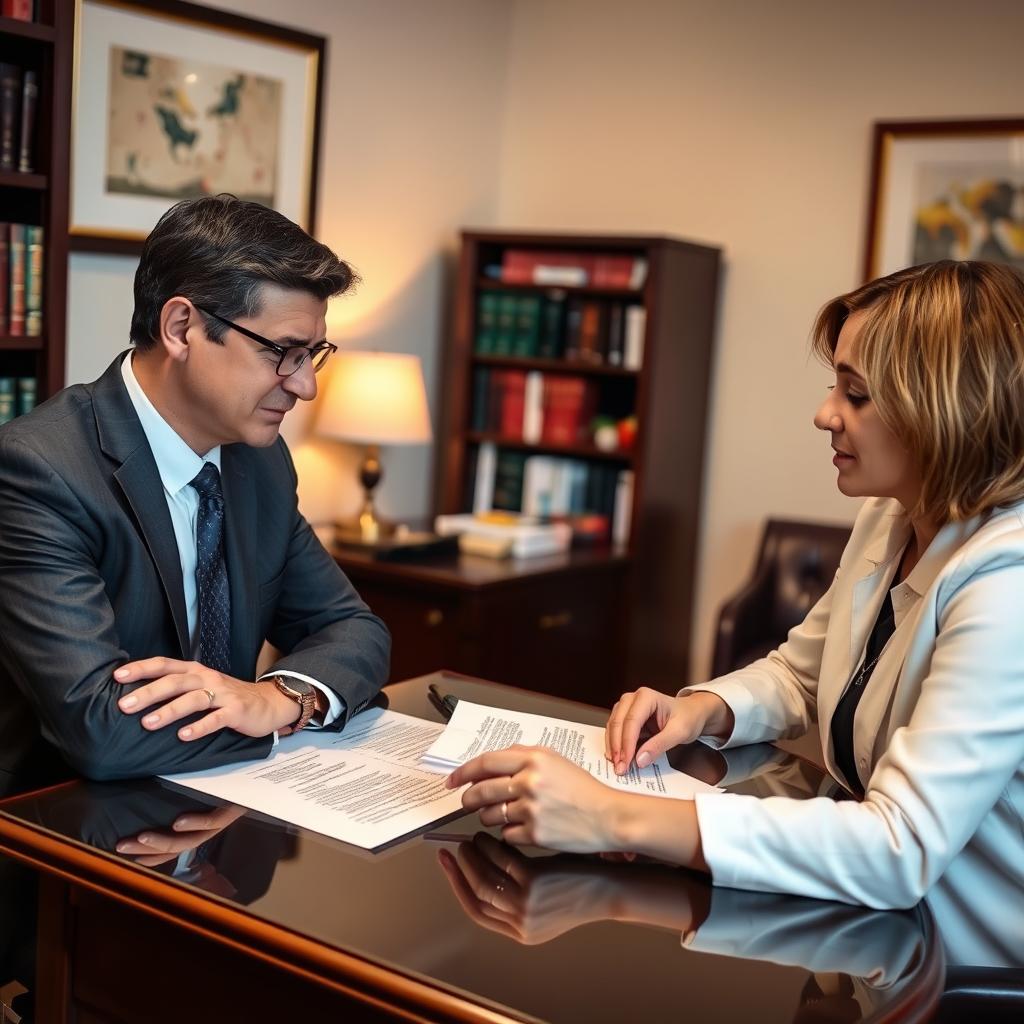
Prenup Lawyer Fairfax, VA
Planning for marriage in Fairfax, Virginia, often involves thoughtful consideration of how assets and financial obligations will be handled. A prenuptial agreement—sometimes called a premarital agreement—is a contract between two people before marriage that defines property rights and financial responsibilities in the event of divorce or death. Virginia follows equitable distribution, meaning a court divides marital property in a way it considers fair, but a well‑drafted prenup allows you and your future spouse to make those decisions together in advance. Law Offices Of SRIS, P.C. Concentrates its family law practice on drafting and negotiating prenuptial agreements for individuals and couples in Fairfax and throughout Northern Virginia. Mr. Sris, a former prosecutor who founded the firm in 1997, leads a team that is experienced in prenup preparation and the full range of divorce and property division matters. Reach our firm at (888) 437-7747 to discuss how a prenuptial agreement can safeguard your financial future.
What Prenups Mean in Fairfax, Virginia
Virginia is not a community property state—it is an equitable distribution state. That means if a marriage ends, the court divides marital property based on what it finds fair after considering a list of statutory factors. A prenuptial agreement entered into before marriage allows you and your future spouse to opt out of those default rules and set your own terms for property classification, division, and spousal support. The governing statute is the Virginia Premarital Agreement Act, Va. Code § 20‑147 et seq., which requires that a valid prenup be in writing and signed by both parties. Prenups cannot determine child custody or child support, but they can address a wide range of financial issues, including real estate, business interests, retirement accounts, debt allocation, and alimony.
In Fairfax County, divorce and equitable distribution cases are heard in the Fairfax County Circuit Court. An experienced family law attorney familiar with local court practices can help ensure your agreement meets Virginia’s legal standards and is structured to withstand a later challenge. Courts in Fairfax will enforce a prenuptial agreement that was entered into voluntarily, with full disclosure of assets, and that is not unconscionable. Working with a lawyer who practices routinely in Fairfax helps you anticipate the kind of scrutiny your agreement might face and create a document that holds up under that review.
How Mr. Sris and His Of Counsel Handle Prenup Cases
When you contact Law Offices Of SRIS, P.C., Mr. Sris or one of his Of Counsel will meet with you for a confidential consultation to understand your financial situation, your goals, and any concerns you have about entering into a prenuptial agreement. They will help you identify all assets and liabilities—including business holdings, professional practices, real property, investment accounts, and expected inheritances—so that the agreement rests on a complete financial picture.
After thorough discussion, they will draft an agreement tailored to your needs and compliant with the Virginia Premarital Agreement Act. The team then works with the other party’s attorney to negotiate terms and ensure both sides have had the opportunity for independent legal review. Throughout the process, they focus on clarity and enforceability, minimizing the risk that the agreement could later be set aside on procedural or substantive grounds. When a prenup involves complex assets—such as stock options, professional licenses, or international property—the firm draws on its extensive combined legal experience to craft provisions that accurately reflect the parties’ intent.
About Mr. Sris and His Of Counsel Team
Mr. Sris, Owner and Founder of Law Offices Of SRIS, P.C., has practiced law since 1997. He began his career as a prosecutor and now concentrates his work in family law, including prenuptial agreements, divorce, and equitable distribution. He is admitted to practice in Virginia, Maryland, the District of Columbia, New Jersey, and New York, and appears regularly in Fairfax County courts. His background in criminal litigation gives him a practical, evidence‑based approach to the property‑disclosure and enforceability issues that often arise in prenup disputes.
Mr. Sris is supported by a team of Of Counsel attorneys who bring extensive combined legal experience to family law matters. Together, they can handle agreements that involve closely held businesses, professional practices, multiple‑state assets, or international elements. Mr. Sris and his Of Counsel have documented case results across multiple practice areas since 1997. Results may vary.
Frequently Asked Questions
Do I need a prenuptial agreement in Virginia?
A prenuptial agreement is not required by law, but it can be an important tool to clarify financial expectations and protect your separate property, business interests, or inheritance rights. Many people in Fairfax—especially those entering a second marriage, owning a business, or bringing substantial assets to the union—choose to have a prenup drafted. The agreement gives both parties certainty and can reduce conflict if the marriage ends later.
What makes a prenup enforceable in Virginia?
A valid prenuptial agreement must be in writing, signed by both parties, and entered into voluntarily with full and fair disclosure of each party’s assets and liabilities. If a court finds that one party hid assets, applied pressure, or that the agreement is so one‑sided as to be unconscionable, it may refuse to enforce all or part of the prenup. Having an experienced attorney help prepare the agreement reduces those risks.
Can a prenup be challenged after divorce?
Yes, a prenuptial agreement may be challenged on grounds such as fraud, duress, unconscionability, or material nondisclosure of assets. A spouse who believes the agreement was unfair or improperly obtained can ask the Fairfax County Circuit Court to set it aside. Working with a lawyer during the drafting stage helps build a record that supports voluntary, informed consent and strengthens the agreement against later attack.
How does a prenup affect property division in Virginia?
A prenup can override Virginia’s default equitable distribution rules and instead specify how property acquired during the marriage will be classified, valued, and divided. For example, it can keep a business separate, protect retirement accounts, or set limits on spousal support. The agreement can also preserve assets for children from a prior relationship. As long as the terms are lawful and not unconscionable, the court will generally uphold them.
Do I need a lawyer to get a prenuptial agreement in Fairfax?
You are not legally required to hire a lawyer, but having an experienced family law attorney draft or review your agreement is the trusted way to ensure it meets Virginia’s legal requirements and is tailored to your financial situation. Because prenups involve potentially high‑value interests and require careful disclosure, most people benefit from professional guidance. Mr. Sris and his Of Counsel can advise you on what provisions are appropriate under Virginia law.
What happens if we do not have a prenup?
Without a prenuptial agreement, Virginia’s equitable distribution statute determines how marital property is divided, and a court will decide any spousal support award. Property acquired during the marriage is presumed marital and subject to division, while separate property you brought into the marriage may remain yours. The outcome can be unpredictable and may not match what you would have negotiated. A prenup gives you control over the process rather than leaving it to a judge.
For related family law resources in the region, see our pages on Fairfax County Family Law, Prince William County Family Law, and Falls Church Family Law.
Additional legal references: Virginia Code Title 20 (Family Law) and the Virginia Courts website.
Attorney advertising. Prior results do not guarantee a similar outcome. Results may vary.
Case results depend on a variety of factors unique to each case.