
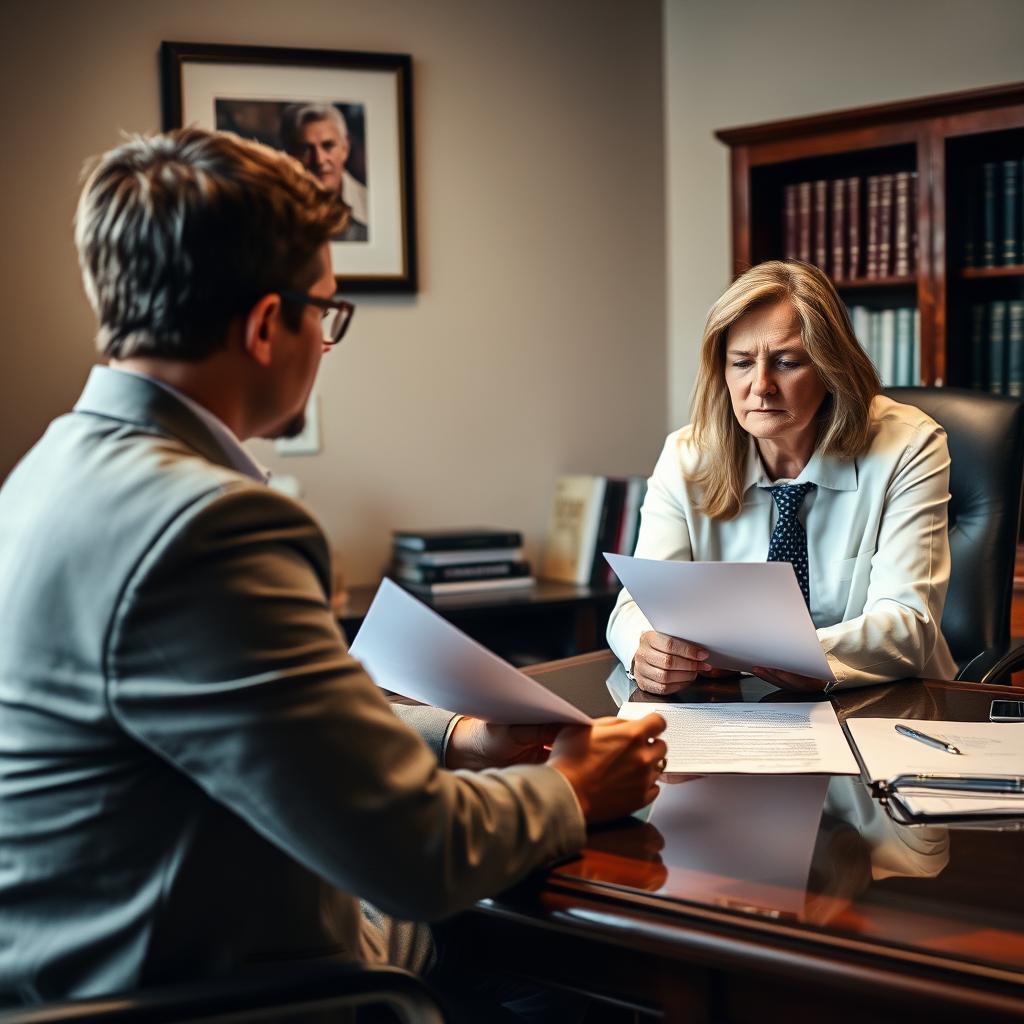
Postnup Lawyer Manassas, VA
Couples in Manassas, Manassas Park, and throughout Prince William County sometimes reach a point where they want to clarify or adjust the financial arrangements of their marriage without seeking a divorce. A postnuptial agreement—a contract entered into by spouses after marriage—can define property rights, spousal support expectations, and other financial matters. Law Offices Of SRIS, P.C., with a presence serving the Manassas area, assists clients in drafting, reviewing, and enforcing postnuptial agreements under Virginia law. Mr. Sris and his Of Counsel team apply the Virginia Premarital Agreement Act (Va. Code § 20‑147 et seq.) to each matter, working to achieve a clear, enforceable agreement that reflects the parties’ intentions. Whether you are considering a postnuptial agreement to protect separate property, define marital asset division, or establish spousal support parameters, the firm can provide counsel and representation. The Manassas City and Manassas Park Circuit Courts, located at 9311 Lee Avenue, handle any subsequent litigation arising from postnuptial agreements in this area. For a consultation, reach Law Offices Of SRIS, P.C. at (888) 437‑7747. Law Offices Of SRIS, P.C. – Advocacy Without Borders.
What Postnuptial Agreements Mean in Manassas
A postnuptial agreement, sometimes called a postnup, is a written contract that spouses sign after marriage to govern property division, spousal support, and other financial matters should the marriage end. In Virginia, postnuptial agreements are governed by the Premarital Agreement Act, which applies to both premarital and postmarital contracts. The same statutory framework under Va. Code § 20‑147 et seq. Requires that the agreement be in writing, signed by both parties, and executed voluntarily. Courts in the Prince William County area—including the Manassas City Circuit Court and the Manassas Park Circuit Court, both located at 9311 Lee Avenue, Suite 230, Manassas, VA 20110—review postnuptial agreements for procedural fairness and, when one spouse challenges the agreement, consider whether it was unconscionable when executed or if there was a failure to disclose assets.
Because Manassas sits in the 31st Judicial District, the local judiciary applies Virginia’s equitable distribution principles under Va. Code § 20‑107.3 when a marriage dissolves, but a valid postnuptial agreement can override default statutory property division. Spouses who own a business, have significant retirement accounts, own real estate, or anticipate inheritance may use a postnuptial agreement to clarify what remains separate and what becomes marital. For many families in the Manassas area, a well‑drafted postnup provides certainty and reduces the cost and conflict of a later divorce. Mr. Sris and his Of Counsel are familiar with the local court’s expectations and the procedural requirements for filing a postnuptial agreement as part of a divorce proceeding or as a standalone contract.
How Mr. Sris and His Of Counsel Handle Postnuptial Agreement Cases
Mr. Sris and his Of Counsel team take a structured approach to postnuptial agreements, beginning with a thorough discussion of each spouse’s goals, assets, debts, and income. They identify which items are currently classified as separate or marital under Virginia law, and they draft terms that are specific, clear, and consistent with statutory requirements. Both spouses are encouraged to retain independent counsel; when the firm represents one spouse, it ensures that the other party has the opportunity to consult separate legal advice so that the agreement will withstand later scrutiny.
Once the terms are negotiated, the attorneys prepare a written agreement that includes full financial disclosure schedules. They then advise on the execution formalities required under the Premarital Agreement Act. If a dispute later arises—whether a challenge to the agreement’s enforceability or a request for interpretation—Mr. Sris and his Of Counsel represent clients in the Manassas courts, presenting the factual record and advocating for enforcement under the controlling statute. Throughout the process, the firm emphasizes clarity and compliance with the statutory framework, working to avoid the kinds of procedural defects that can jeopardize an otherwise sound agreement. The timeline for negotiating and finalizing a postnup depends on the complexity of the marital estate and the willingness of both parties to collaborate; there is no fixed statutory deadline, and the court’s calendar governs any litigation that follows.
About Mr. Sris and His Of Counsel Team
Mr. Sris, Owner and Founder of Law Offices Of SRIS, P.C., founded the firm in 1997. A former prosecutor, he draws on his trial experience and multi‑state practice to advise clients on complex family law matters, including postnuptial agreements. Mr. Sris is admitted in Virginia, Maryland, the District of Columbia, New Jersey, and New York. He testified before the Virginia House Courts of Justice Committee in support of 2019 HB 635 (chief patron Del. David Bulova). Mr. Sris and his Of Counsel bring extensive combined legal experience. Results may vary.
The Of Counsel team at the firm includes attorneys with backgrounds in criminal prosecution, law enforcement, child welfare, and business law—experience that often proves valuable when a postnuptial agreement intersects with asset valuation, spousal support disputes, or domestic relations litigation. Every attorney appearing in Virginia courts is a member of the Virginia State Bar. The firm’s Fairfax location at 4008 Williamsburg Court, Fairfax, VA 22032, serves clients throughout Prince William County, including Manassas and Manassas Park. Appointments are available by request; call (888) 437‑7747.
Frequently Asked Questions
What is a postnuptial agreement in Virginia?
A postnuptial agreement is a contract that spouses execute after marriage to define how property, debts, and spousal support will be handled if the marriage ends, governed by Virginia’s Premarital Agreement Act. The agreement must be in writing and signed by both parties to be enforceable. It can address the division of marital and separate property, alimony, and other financial matters. A postnup cannot, however, determine child custody or child support, as those issues remain subject to court determination based on the child’s best interests. The Manassas Circuit Court at 9311 Lee Avenue enforces postnuptial agreements that meet statutory requirements.
Are postnuptial agreements enforceable in Virginia?
Yes, postnuptial agreements are enforceable in Virginia if they are voluntarily entered, supported by full financial disclosure, and not unconscionable when executed. Courts will generally uphold the agreement unless one spouse can prove fraud, duress, or a material failure to disclose assets. The same standard applies whether the agreement is challenged in a divorce proceeding or as a standalone contract action. The firm helps clients draft agreements that are likely to withstand judicial scrutiny by ensuring procedural fairness and thorough disclosure.
What can a postnuptial agreement address under Virginia law?
A postnuptial agreement may cover the division of marital property, treatment of separate property, spousal support obligations, and the allocation of debts, as permitted under the Premarital Agreement Act. It can also address business interests, retirement accounts, real estate, and expected inheritances. However, it cannot limit a court’s authority to determine child custody or child support. The agreement can be drafted to take effect only upon divorce, separation, or death, giving spouses flexibility to define the triggering event.
How does a postnuptial agreement differ from a prenuptial agreement?
The primary difference is timing: a prenuptial agreement is signed before marriage, while a postnuptial agreement is signed after the marriage has already occurred. Both are governed by the same statutory chapter, Va. Code § 20‑147 et seq., and must meet the same enforceability standards. Often, couples choose a postnup when their financial situation changes significantly after marriage—for instance, after starting a business, receiving an inheritance, or when one spouse decides to leave the workforce. The same drafting requirements apply to both types of contracts.
Can a postnuptial agreement be challenged in court?
Yes, a postnuptial agreement can be challenged on grounds such as lack of voluntary consent, failure to disclose assets, or unconscionability. A spouse may also argue that the agreement was signed under duress or that circumstances have changed so materially that enforcement would be fundamentally unfair. When a challenge is raised, the Manassas Circuit Court evaluates the evidence under the factors set out in the Premarital Agreement Act. The firm represents clients in both enforcing and defending against such challenges, always focusing on the specific facts of the case.
Do I need a lawyer to create a postnuptial agreement in Virginia?
You are not legally required to hire a lawyer to draft a postnuptial agreement, but Virginia’s enforceability standards make legal representation strongly advisable. The statutory requirement of full financial disclosure and the need to avoid unconscionability are difficult to navigate without an attorney. Moreover, because postnuptial agreements often involve substantial assets, oversight by counsel helps ensure that the agreement will be upheld. For guidance on your specific situation, reach Law Offices Of SRIS, P.C. at (888) 437‑7747.
For further reading, explore related practice areas:
- Family law lawyer Fairfax County, VA
- Family law lawyer Prince William County, VA
- Family law lawyer Manassas Park, VA
Primary Sources & Resources:
- Virginia Premarital Agreement Act (Va. Code Title 20, Chapter 8)
- Manassas Circuit Court
- Virginia Judicial System
Attorney advertising. Prior results do not guarantee a similar outcome.
Results may vary.
Case results depend on a variety of factors unique to each case.