
Postnup Lawyer Fairfax County, VA
A postnuptial agreement can provide clarity and financial protection for married couples in Fairfax County, Virginia, whether their circumstances have changed or they want to formalize expectations without seeking a divorce. Law Offices Of SRIS, P.C., practicing since 1997, represents clients throughout Fairfax, Burke, Centreville, Chantilly, Herndon, Reston, McLean, Vienna, Tysons, Oakton, Springfield, Annandale and surrounding communities. Mr. Sris and his Of Counsel concentrate their practice on the drafting, negotiation, and enforcement of postnuptial agreements under the Virginia Premarital Agreement Act, Va. Code § 20‑147 et seq. When a marriage faces new financial realities, inheritances, business growth, or simply the desire to avoid future disputes, a properly executed postnup can serve as a blueprint for resolving property and support issues. To schedule a consultation about a postnuptial agreement in Fairfax County, reach Law Offices Of SRIS, P.C. at (888) 437‑7747. Law Offices Of SRIS, P.C. – Advocacy Without Borders.
What Postnuptial Agreements Mean in Fairfax County
In Virginia, a postnuptial agreement—sometimes called a postmarital agreement—is a contract entered into by spouses after the marriage, as authorized by the Virginia Premarital Agreement Act. It allows couples to define their respective rights and obligations regarding property, spousal support, and other financial matters in the event of a separation, divorce, or death. The agreement is distinct from a prenuptial agreement, which is executed before the wedding, though both instruments are governed by the same statutory framework.
Fairfax County’s family law landscape adds important context. Virginia is an equitable distribution state, meaning that marital property is divided fairly but not necessarily equally under Va. Code § 20‑107.3. A well‑drafted postnuptial agreement can override the default equitable distribution rules, providing certainty about how assets, debts, and retirement accounts will be allocated. The Fairfax County Circuit Court—located at 4110 Chain Bridge Road and part of the Nineteenth Judicial District—has exclusive jurisdiction over divorce and equitable distribution matters, so any enforcement or challenge to a postnup typically proceeds in that court. If the couple has minor children, the Fairfax County Juvenile and Domestic Relations District Court may address custody and support issues, though child‑related terms in a postnup are always subject to the court’s review for the child’s best interests. Surrounding areas such as Annandale, Springfield, and Tysons are all served by these same courts.
How Mr. Sris and His Of Counsel Handle Postnuptial Agreement Cases
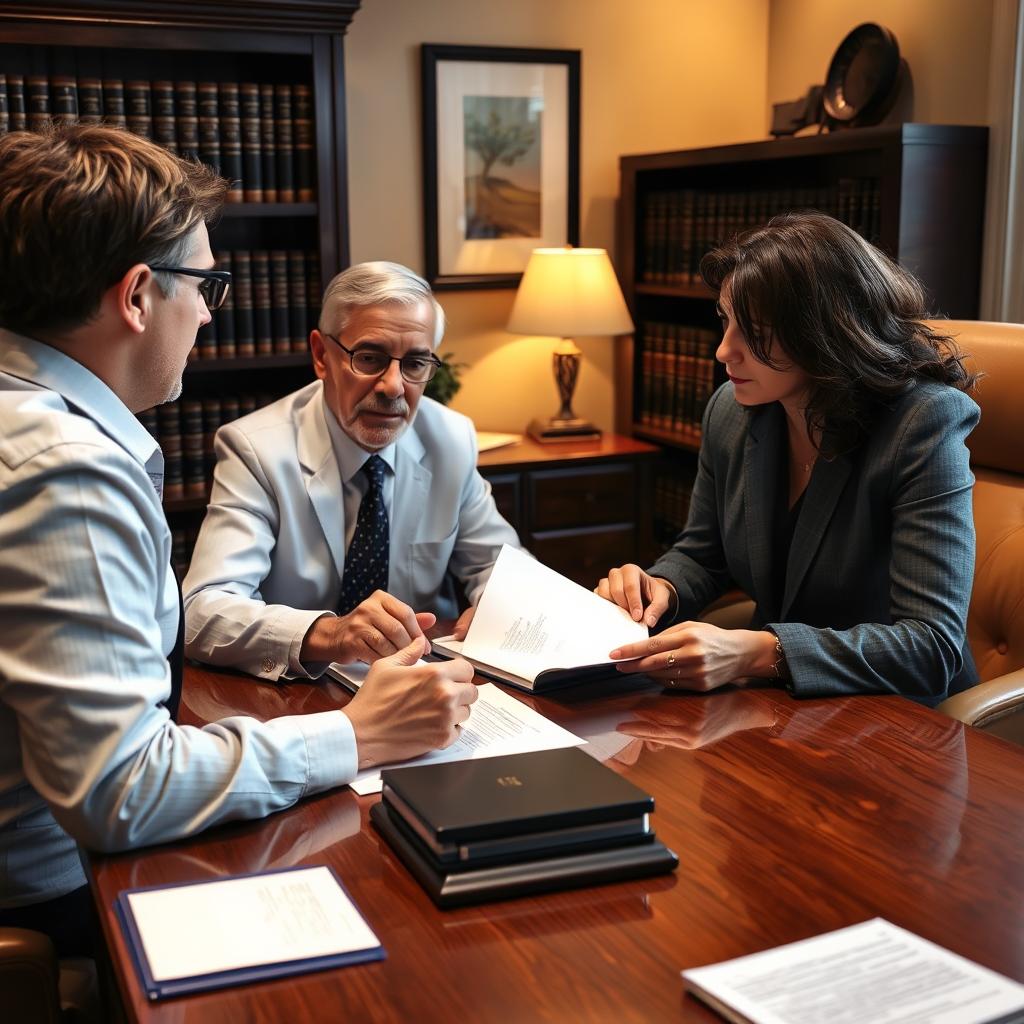
Every postnuptial agreement starts with a conversation about the couple’s goals, assets, and concerns. Mr. Sris and his Of Counsel begin by reviewing each spouse’s financial picture—real estate, business interests, investment accounts, and retirement plans—as well as any anticipated inheritance or gift. They then draft an agreement that accurately reflects the couple’s intentions while adhering to Virginia’s legal requirements. The process emphasizes voluntary, informed consent; each party must have the opportunity to consult independent counsel, and the agreement must be in writing and signed by both spouses.
If a dispute later arises, Mr. Sris and his Of Counsel represent clients in the Fairfax County Circuit Court to enforce or defend the agreement. Courts examine whether the agreement was entered into freely, without duress or coercion, and whether it was unconscionable at the time of execution. The court may also consider whether there was full and fair disclosure of assets. Because Virginia courts afford significant weight to properly negotiated marital agreements, careful drafting at the outset often prevents protracted litigation later. Throughout the representation, the firm’s approach remains collaborative, focusing on the client’s particular circumstances without making promises about outcomes.
About Mr. Sris and His Of Counsel Team
Mr. Sris, Owner and Founder of Law Offices Of SRIS, P.C., has practiced since 1997 and is admitted in Virginia, Maryland, the District of Columbia, New Jersey, and New York. As a former prosecutor, he brings extensive courtroom experience to the family law matters the firm handles. Mr. Sris and his Of Counsel bring extensive combined legal experience. Results may vary. All non‑Sris attorneys serve as Of Counsel, engaged through the firm’s longstanding professional network, and they assist in drafting, reviewing, and, when necessary, litigating postnuptial agreements in Fairfax County and across Northern Virginia. The firm maintains a location in Fairfax, by appointment only, to serve clients easily accessible to the courthouse.
Frequently Asked Questions about Postnuptial Agreements in Fairfax County
What is a postnuptial agreement in Virginia?
A postnuptial agreement is a written contract made between spouses after marriage that addresses property division, spousal support, and other financial rights upon separation, divorce, or death. In Virginia, it is governed by the Premarital Agreement Act, which applies to both prenuptial and postnuptial agreements. The agreement must be signed voluntarily by both parties, with an opportunity to consult with independent legal counsel, and it cannot be unconscionable at the time of enforcement.
How does a postnuptial agreement differ from a prenuptial agreement?
The primary difference is timing: a prenuptial agreement is signed before the wedding, while a postnuptial agreement is executed after the marriage has taken place. Both types of agreements fall under the same Virginia statute and can cover the same subjects—property, support, and the disposition of assets. Some couples pursue a postnup because their financial situation changed after the wedding, while others use it to address issues that arose during the marriage without immediately filing for divorce.
Are postnuptial agreements enforceable in Fairfax County?
Yes, postnuptial agreements are generally enforceable in Fairfax County if they meet Virginia’s statutory requirements. A court will enforce the agreement unless it finds that a party did not execute it voluntarily or that the agreement was unconscionable when made, with no fair and reasonable disclosure of property or financial obligations. Independent legal representation for each spouse, while not strictly required, significantly strengthens enforceability. Fairfax County Circuit Court judges apply these standards when an agreement is challenged.
What can a postnuptial agreement cover?
A postnuptial agreement can address the classification and division of property, spousal support, the rights of each spouse in death, and the disposition of a family residence. It may also govern how retirement accounts, business interests, and future earnings are treated. The parties cannot agree to terms that adversely affect child support or custody, as those issues remain subject to court review based on the child’s best interests. An experienced lawyer can help ensure the agreement’s scope is legally sound.
Do I need a lawyer to draft a postnuptial agreement in Fairfax County?
While Virginia law does not require a lawyer to draft a postnuptial agreement, legal guidance is strongly recommended to ensure the agreement is valid and enforceable. A lawyer can help each spouse understand their rights, confirm that all assets are properly disclosed, and draft language that withstands judicial scrutiny. For a consultation about a postnuptial agreement in Fairfax County, reach Law Offices Of SRIS, P.C. at (888) 437‑7747.
Can a postnuptial agreement be challenged in Fairfax County courts?
Yes, a postnuptial agreement can be challenged on grounds such as lack of voluntariness, duress, fraud, failure to disclose assets, or unconscionability. Challenges are heard in the Fairfax County Circuit Court, which applies the same standards as for prenuptial agreements. If a court finds the agreement invalid, it will set aside the challenged provisions and apply Virginia’s equitable distribution laws instead. Having thorough documentation of the negotiation process and independent legal advice can reduce the risk of a successful challenge.
For further assistance with family law matters in neighboring counties, consider our pages on Prince William County family law, Stafford County family law, Fauquier County family law, Loudoun County family law, and Arlington County family law.
For authoritative primary sources, consult the Virginia Code Title 20 (Domestic Relations), the Virginia Judicial System website, and the Virginia Circuit Courts directory.
Attorney advertising. Prior results do not guarantee a similar outcome.
Case results depend on a variety of factors unique to each case.