
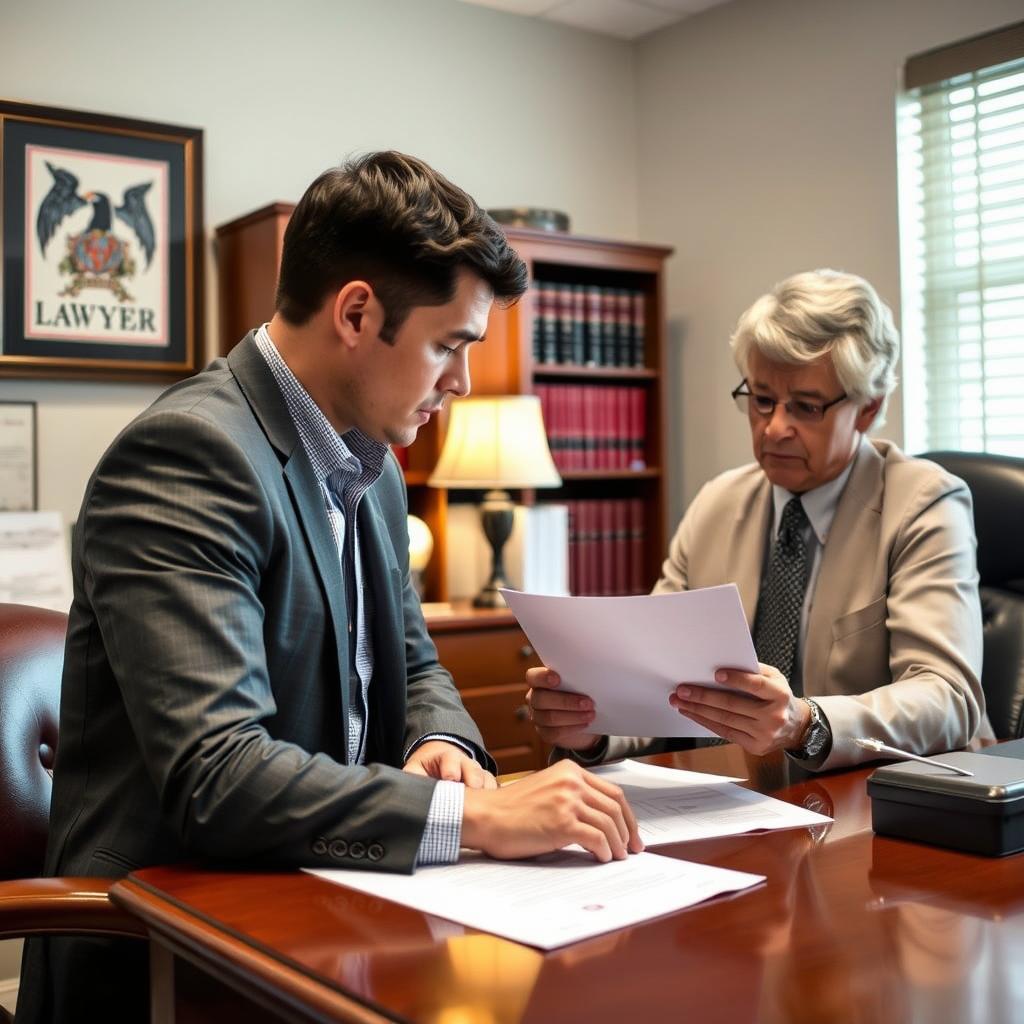
Paternity Rights Lawyer Prince William County, VA
Paternity establishment in Prince William County, Virginia, determines a child’s legal father and the rights and obligations that follow. Whether you are a mother seeking support, a father seeking custody and visitation, or a man contesting paternity, understanding the law is critical. Law Offices Of SRIS, P.C., with a location in Fairfax, represents clients throughout Prince William County—including Manassas, Woodbridge, Dale City, Dumfries, Gainesville, Haymarket, Lake Ridge, and Occoquan—in paternity proceedings. Mr. Sris and his Of Counsel bring over 120 years of combined legal experience and 4,739+ documented firm-wide results to these cases; Results may vary. Reach our firm at (888) 437-7747 to request a consultation. Law Offices Of SRIS, P.C. – Advocacy Without Borders.
What Paternity Rights Means in Prince William County, Virginia
Under Virginia law, paternity is the legal recognition of a man as a child’s father. The process is governed by Va. Code § 20-49.1 et seq. A court order establishing paternity gives rise to several rights and responsibilities: the father gains the right to seek custody and visitation, and the child becomes entitled to financial support, inheritance rights, and access to medical history and benefits. The mother, father, or a representative of the child may file a petition. In Prince William County, paternity matters not connected to a divorce are heard in the Prince William County Juvenile and Domestic Relations District Court (J&DR Court), located at 9311 Lee Avenue, Suite 230, Manassas. When paternity is raised within a divorce or annulment action, the Prince William County Circuit Court has jurisdiction.
Virginia is an equitable distribution state, and a paternity determination can affect property, support, and custody. The court focuses on the best interests of the child when deciding custody and visitation, and uses statutory guidelines to calculate child support. A man alleged to be the father has the right to contest paternity, often through genetic testing. A mother may seek an adjudication of parentage to secure support. In all scenarios, an attorney can explain the procedural steps, prepare the necessary pleadings, and advocate for a fair resolution. Our firm appears regularly in the Prince William County courts and understands the local procedures and expectations.
How Mr. Sris and His Of Counsel Handle Paternity Rights Cases
Every paternity case is different. Some involve couples who agree on parentage and want a court order to formalize it; others involve disputes that require DNA testing, contested hearings, and temporary orders. Mr. Sris and his Of Counsel begin by gathering the facts—birth records, any acknowledgment of paternity, prior court orders, and evidence of the relationship—and then discuss with the client what outcome they are seeking. If genetic testing is necessary, the firm can help arrange it and, if needed, present the results in court.
In contested matters, the firm appears at the Prince William County J&DR Court for temporary custody, visitation, and support hearings. When the case involves a divorce in the Circuit Court, Mr. Sris and his Of Counsel integrate the paternity determination into the broader family law case. Throughout the process, the team works to resolve disputes efficiently, always focused on the child’s welfare and the client’s legal objectives. Court schedules vary, but the firm’s experience with the local judiciary helps clients anticipate what to expect at each stage.
About Mr. Sris and His Of Counsel Team
Mr. Sris, Owner and Founder of Law Offices Of SRIS, P.C., has practiced family law since 1997. He is a former prosecutor and is admitted to practice in Virginia, Maryland, the District of Columbia, New Jersey, and New York. Mr. Sris testified before the Virginia House Courts of Justice Committee in support of 2019 HB 635 (chief patron Del. David Bulova). His understanding of courtroom dynamics—built over decades—informs the firm’s approach to every paternity case.
Mr. Sris is joined by an Of Counsel team whose collective backgrounds include former prosecution experience in Maryland, former service as a Virginia State Trooper, and extensive trial and child welfare experience. Together, Mr. Sris and his Of Counsel bring over 120 years of combined legal experience and 4,739+ documented firm-wide results to family law matters. Results may vary.
Frequently Asked Questions
How is paternity established in Virginia?
A paternity order may be entered through a court proceeding after one of the parties files a petition, or by an administrative acknowledgment of paternity signed by both parents. In Prince William County, a parent or the Department of Social Services can initiate a case in the J&DR Court. If the alleged father disputes paternity, the court typically orders genetic testing. Once paternity is adjudicated, the court can address custody, visitation, and child support. Having a lawyer helps ensure the process is handled correctly and that your rights are protected.
What rights does a father gain after paternity is established?
A legal father obtains the right to seek custody and visitation, to participate in major decisions affecting the child, and to pass on inheritance and benefits. He also becomes subject to a child support obligation. In Virginia, custody and visitation are determined by the best interests of the child, not by gender. An established father may petition the court for shared custody or primary physical custody, and the court will weigh the factors in Va. Code § 20-124.3. A father who has been absent from the child’s life can still petition, though the court will consider the existing parent-child relationship.
Can paternity be challenged or disestablished in Virginia?
Yes, a man who has been adjudicated the father—or who signed an acknowledgment of paternity—may challenge paternity under certain circumstances, though there are strict time limits and procedural requirements. Fraud, duress, or material mistake of fact may be grounds to set aside a paternity order. Genetic testing that excludes the man as the biological father is often central to a challenge. A parent who wishes to challenge paternity should consult with an attorney promptly because the deadlines are short and missing them can result in the order becoming final.
Do I need a lawyer for a paternity case in Prince William County?
You are not required to have a lawyer, but the consequences of a paternity order—custody, support, and inheritance—are significant enough that legal representation is strongly advisable. An attorney can ensure that genetic testing is properly arranged and that the results are presented in court. A lawyer also understands how to argue for a custody arrangement that is in the child’s best interests and how to calculate support under Virginia guidelines. At Law Offices Of SRIS, P.C., Mr. Sris and his Of Counsel provide representation in Prince William County paternity matters and are available to discuss your situation.
What happens if the alleged father refuses a DNA test?
If a party refuses to cooperate with court-ordered genetic testing, the court may draw an adverse inference—essentially treating the refusal as evidence against that party—and may proceed to make a paternity determination based on the available evidence. In Prince William County J&DR Court, the judge has the authority to enter an order requiring the parties to submit to testing. A refusal can significantly harm the refusing party’s position and may result in the court establishing paternity by default. An attorney can explain the potential consequences and help navigate the situation.
How does paternity affect custody and visitation in Virginia?
Once paternity is legally established, the father has standing to petition for custody and visitation; the court then decides the parenting arrangement based on the best interests of the child, using the ten factors in Va. Code § 20-124.3. A father who has not been involved in the child’s life may need to request a graduated visitation schedule. The court can also address child support and health insurance coverage as part of the same proceeding. Having an attorney who understands the local courts can make a meaningful difference in how the case unfolds. For guidance on your specific situation, reach Law Offices Of SRIS, P.C. at (888) 437-7747.
Family law lawyer in Fairfax County ·
Family law representation in Stafford County ·
Arlington County family law attorney
Additional resources: Virginia Code Title 20 (Domestic Relations) · Virginia Circuit Courts · Virginia J&DR District Courts
Attorney advertising. Prior results do not guarantee a similar outcome.
Results may vary.
Case results depend on a variety of factors unique to each case.