
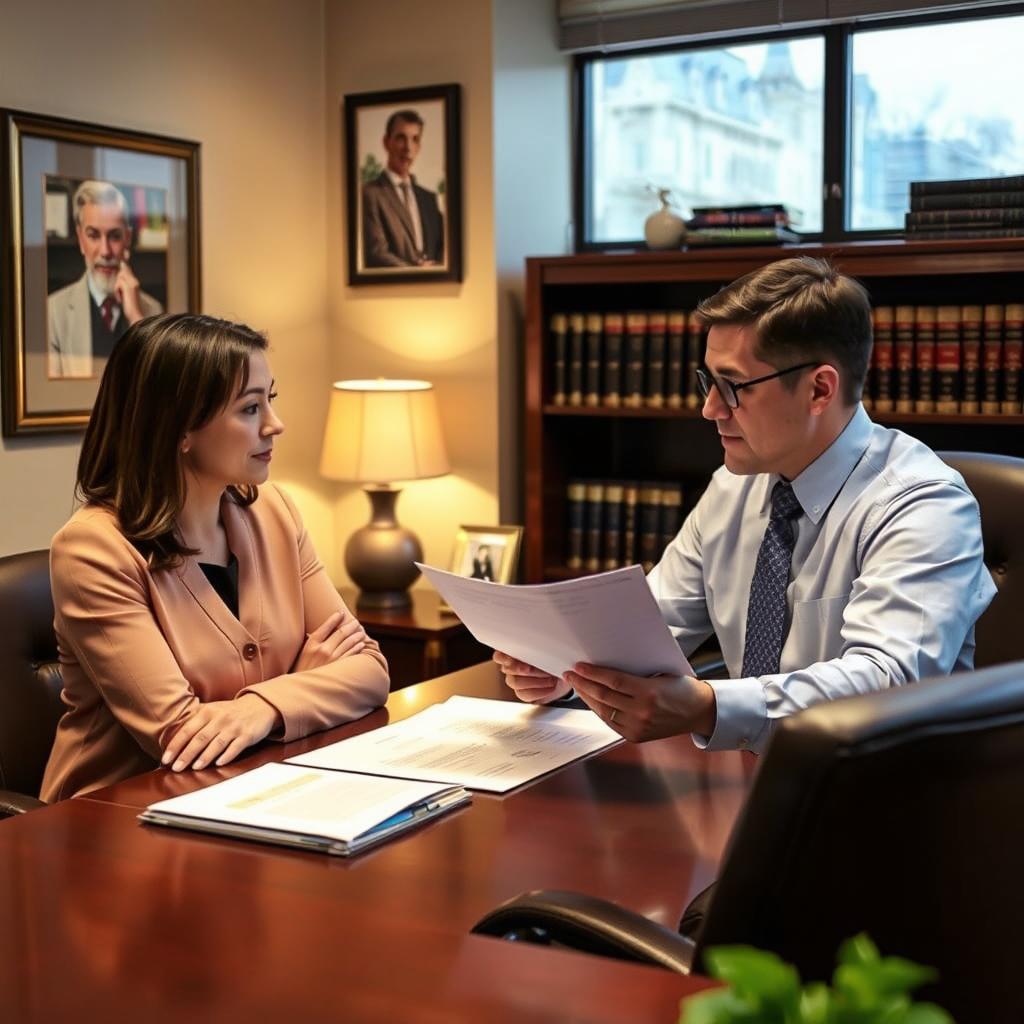
Minor Guardianship Lawyer Arlington County, VA
When a minor child in Arlington County needs a legal guardian—whether because a parent is unable to care for them, a family member seeks to formalize a caregiving role, or an emergency situation demands immediate protection—the petition process is detailed and the stakes are high. Under Virginia law, the appointment of a guardian for a minor is governed by Va. Code § 64.2-2000 et seq., and the court’s primary concern is the best interests of the child. Mr. Sris is a former prosecutor who founded Law Offices Of SRIS, P.C. in 1997 and has concentrated his practice in family law matters, including minor guardianship, ever since. Mr. Sris and his Of Counsel bring over 120 years of combined legal experience and have documented 4,739+ firm-wide results. Results may vary. The firm represents family members, relatives, and other interested parties in minor guardianship proceedings before the Arlington County Circuit Court and, when custody or support questions are intertwined, the Arlington County Juvenile and Domestic Relations District Court. For a consultation about your family’s situation, reach our Arlington location at (888) 437-7747. Law Offices Of SRIS, P.C. – Advocacy Without Borders.
What Minor Guardianship Means in Arlington County, Virginia
In Virginia, a guardianship over a minor child is a court-ordered relationship in which an adult who is not the child’s parent assumes legal responsibility for the child’s care, custody, and well‑being. The framework is set out in Va. Code § 64.2-2000 et seq. And distinguishes several forms of guardianship. A guardian of the person makes decisions about the minor’s daily life, education, and health care; a guardian of the estate manages the child’s property and financial interests. Virginia law also provides for standby guardianship, allowing a parent to designate a successor guardian to assume responsibility without interruption if the parent becomes incapacitated or passes away, and for emergency guardianship when a child faces an immediate threat of harm.
Arlington County’s urban density and its location directly across the Potomac River from Washington, D.C., create a unique environment for minor guardianship matters. Many families in Arlington, Crystal City, Rosslyn, Clarendon, Ballston, Pentagon City, and Shirlington have cross‑jurisdictional connections—parents may work for federal agencies, serve in the military, or travel frequently. Situations arise where a grandparent, aunt, uncle, or older sibling needs to step in swiftly to provide a stable home. The firm’s Arlington location, at 1655 Fort Myer Drive, Suite 700, Room 719, is by appointment only and serves clients throughout the Seventeenth Judicial District. When a guardianship petition is filed in the Arlington County Circuit Court, the court examines the circumstances carefully, always applying the statutory factors that focus on the child’s safety and best interests. The process typically involves a petition, notice to interested parties, and a hearing during the court’s regular calendar. Because minor guardianship often intersects with custody, visitation, and support obligations, the Juvenile and Domestic Relations District Court may also become involved. Mr. Sris and his Of Counsel are familiar with the procedural expectations of both courts and help clients navigate the overlapping legal issues.
How Mr. Sris and His Of Counsel Handle Minor Guardianship Cases
Mrs. Sris and his Of Counsel approach each minor guardianship matter as a collaborative effort built on thorough preparation and steady courtroom advocacy. The process begins with a confidential consultation in which the attorney listens to the family’s situation, identifies the appropriate type of guardianship, and explains the legal requirements and potential challenges. If the case requires an emergency petition, the team works to move it forward promptly while ensuring all procedural safeguards are met.
Once the client’s goals are understood, the firm prepares the petition and supporting documentation, gathers evidence—such as affidavits from caregivers, school records, or medical reports—and, when necessary, seeks the appointment of a guardian ad litem to represent the child’s interests. At the hearing, counsel presents the evidence to the judge, examines witnesses, and argues for the guardianship that best serves the child’s well‑being. After a guardian is appointed, the firm continues to assist with post‑appointment obligations, including annual accountings for guardians of the estate and any subsequent modifications or termination petitions. Throughout, the team keeps clients informed and works toward a resolution that provides stability for the child.
About Mr. Sris and His Of Counsel Team
Mr. Sris, Owner and Founder of Law Offices Of SRIS, P.C., is a former prosecutor who has practiced family law since founding the firm in 1997. He is admitted in Virginia, Maryland, the District of Columbia, New Jersey, and New York, and his experience in trial work informs his representation of clients in contested guardianship hearings. Mr. Sris is joined by Of Counsel attorneys who bring significant experience in family law, juvenile matters, and related practice areas. Together, Mr. Sris and his Of Counsel have documented thousands of case results across multiple practice areas since 1997. Results may vary.
Frequently Asked Questions
What is minor guardianship in Virginia?
Minor guardianship is a legal arrangement where a court appoints an adult who is not the child’s parent to take responsibility for the child’s personal care or financial affairs. Under Va. Code § 64.2-2000 et seq., a guardian may be appointed when a parent is deceased, incapacitated, absent, or otherwise unable to fulfill parental duties. The court can appoint a guardian of the person, a guardian of the estate, or both. The guardian’s authority and duties are defined by statute and the court’s order. The child remains under the court’s supervision, and the guardian must act in the child’s best interests at all times.
When is a minor guardianship necessary in Arlington County?
A guardianship becomes necessary when a parent cannot provide a safe and stable home due to death, illness, incarceration, substance abuse, military deployment, or abandonment. In Arlington County, with its significant population of federal workers, military families, and immigrants, situations often arise where grandparents or other relatives step in to care for a child whose parents are overseas, hospitalized, or otherwise unavailable. Without a court‑appointed guardianship, the caregiver lacks legal authority to enroll the child in school, authorize medical treatment, or make other essential decisions. Obtaining a guardianship order provides the legal standing necessary to protect the child’s daily needs.
Who can petition for guardianship of a minor in Virginia?
Any person with a legitimate interest in the child’s welfare may petition the court for guardianship, including grandparents, aunts, uncles, adult siblings, family friends, or, in some cases, a local department of social services. The petitioner must file a written petition in the Arlington County Circuit Court, stating the reasons why a guardianship is necessary and providing information about the child, the parents, and the proposed guardian. The court will then evaluate whether the petitioner is suitable and whether the guardianship serves the child’s best interests. Notice to the parents and other interested parties is usually required before the court will act.
How is a guardian of a minor appointed under Virginia law?
The court appoints a guardian after reviewing the petition, hearing testimony, and considering the child’s circumstances and the fitness of the proposed guardian. The process typically involves filing a verified petition, serving notice on the parents and any other person with a legal right to custody, and attending a hearing at the Arlington County Circuit Court. The judge may appoint a guardian ad litem to represent the child’s interests and may order a home study or background check. If the court finds that the appointment is in the child’s best interests and that the proposed guardian is suitable, it issues an order of appointment defining the guardian’s powers and duties.
What is the difference between guardianship and custody?
Guardianship is a broader legal concept that can encompass both personal care and property management, while custody decisions typically focus on the child’s day-to-day living arrangements and parental visitation rights. In Virginia, a guardianship order can coexist with a custody order, and the Juvenile and Domestic Relations District Court often handles standalone custody and visitation matters. A guardian of the person has authority similar to that of a parent with custody, but guardianship may also include duties to report to the court periodically. A guardian of the estate manages the child’s financial resources, a role not covered by a standard custody order. Many families seek guardianship when the parent’s rights are not being terminated but the child needs a stable, long‑term caregiver.
Do I need a lawyer for a minor guardianship petition in Arlington County?
While you are not legally required to hire a lawyer, the guardianship process involves detailed statutory requirements, evidentiary hearings, and potential opposition from interested parties, making professional legal guidance extremely valuable. An experienced attorney can prepare the petition correctly, gather the necessary supporting evidence, ensure proper notice is given, and present the case effectively at the hearing. Mr. Sris and his Of Counsel represent petitioners throughout Arlington County, helping families navigate the procedural steps and advocating for the outcome that best protects the child.
What is standby guardianship, and when is it used?
Standby guardianship allows a parent to designate a person who will automatically become the guardian of the minor upon the occurrence of a specific event, such as the parent’s incapacity or death. This mechanism, governed by Va. Code § 64.2-2017 et seq., is often used by parents facing a progressive illness, a military deployment, or a high‑risk situation where they want to ensure a smooth transition for their child. The parent executes a written designation, and the standby guardian’s authority activates upon the triggering event without the need for an immediate court hearing. However, the standby guardian must petition the court to confirm the appointment within a statutory timeframe, and the court retains oversight.
What is emergency guardianship, and how quickly can it be obtained?
Emergency guardianship provides immediate, short‑term protection for a child who faces an imminent risk of harm if a guardian is not appointed without delay. Virginia law allows the court to grant an emergency order on an expedited basis when the petitioner shows that waiting for a regular hearing would endanger the child’s health or safety. The exact timeline depends on the court’s calendar and the urgency of the circumstances; the court schedules the hearing as quickly as possible after the petition is filed. An emergency guardianship is temporary, and a full hearing on a permanent guardianship normally follows. The firm helps families move swiftly when an emergency petition is needed.
What does the court consider when deciding a guardianship petition?
The court considers the child’s physical and emotional needs, the fitness and character of the proposed guardian, the relationship between the child and the proposed guardian, the wishes of the child if the child is of sufficient age and maturity, and any evidence of abuse or neglect. Under Virginia law, the best interests of the child are paramount. The judge may also weigh the ability of the proposed guardian to provide a stable home, the guardian’s financial capacity, and the potential impact on the child’s education and community ties. If a parent objects to the guardianship, the court will evaluate whether the parent is currently able to care for the child and whether the guardianship remains necessary despite the objection.
How long does the guardianship process take in Arlington County?
The timeline for a minor guardianship case varies depending on factors such as the type of guardianship sought, whether the matter is contested, and the court’s calendar. Uncontested petitions with full consent of all interested parties can often be resolved more quickly than matters where a parent or other relative objects. Emergency guardianships, by their nature, are scheduled on an expedited basis. After appointment, a guardian may need to submit periodic reports or accountings. Throughout the process, Mr. Sris and his Of Counsel work to move the case forward as efficiently as possible while ensuring every legal requirement is met.
What are the responsibilities of a guardian once appointed?
The guardian is responsible for the minor’s care, custody, and control, and must make decisions in the child’s best interests, including those related to education, health care, and general welfare. If appointed as guardian of the estate, the guardian must manage the child’s assets prudently, keep accurate records, and file annual accountings with the commissioner of accounts. The guardian must also notify the court of any change in the child’s circumstances and may need to seek court approval for significant decisions, such as relocating the child or spending large sums. The court retains continuing jurisdiction and may modify or terminate the guardianship if circumstances change.
Visit our family law pages in neighboring counties: Fairfax County Family Law · Prince William County Family Law · Stafford County Family Law · Fauquier County Family Law · Loudoun County Family Law
Learn more about Virginia guardianship law from the Virginia Code Title 64.2 and the Virginia Court System.
Attorney advertising. Prior results do not guarantee a similar outcome.
Results may vary.
Case results depend on a variety of factors unique to each case.