
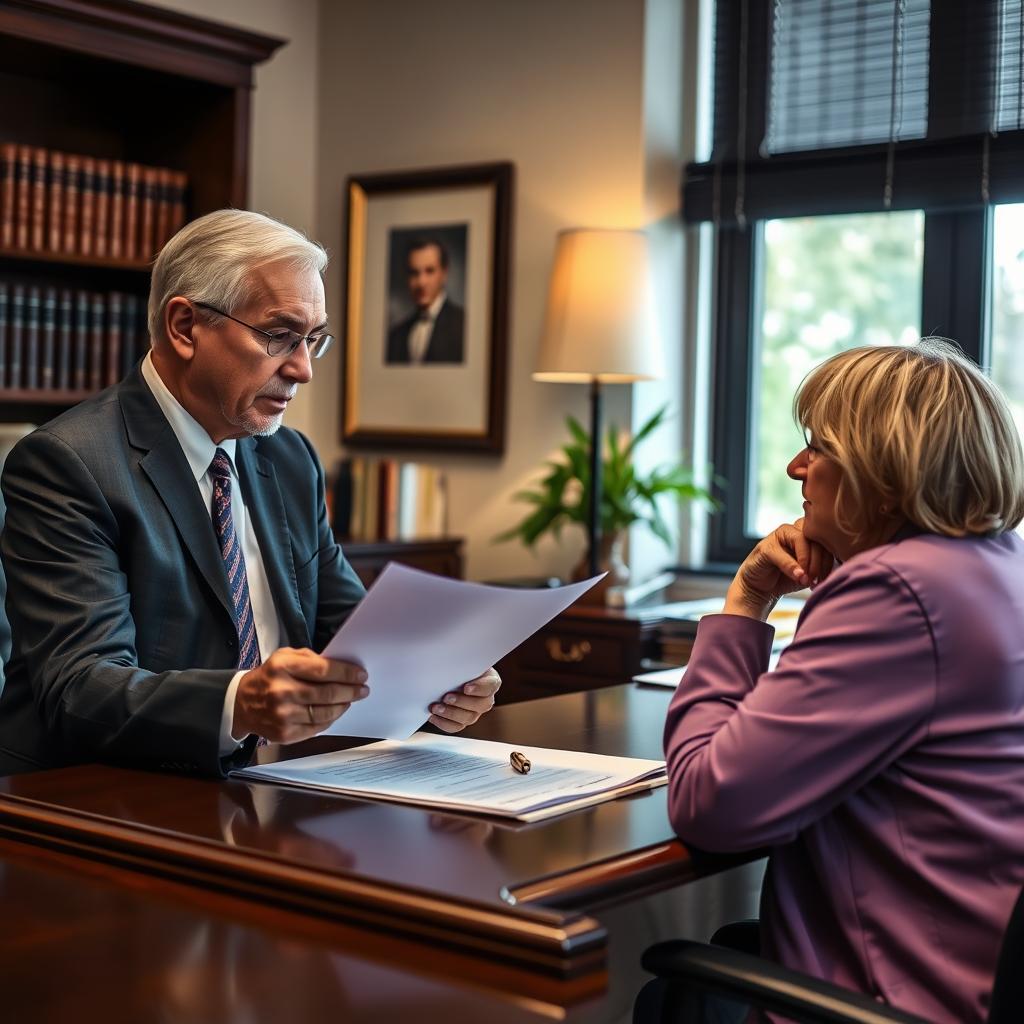
Kinship Guardianship Lawyer Prince William County, VA
Kinship guardianship in Prince William County, Virginia, provides a legal pathway for relatives or other adults with a significant connection to a child to assume parental responsibilities when the child’s parents are unable or unwilling to do so. Governed by Va. Code § 64.2‑2000 et seq., petitions are heard before the Prince William County Juvenile and Domestic Relations District Court or, when combined with a divorce or equitable distribution matter, the Prince William County Circuit Court at 9311 Lee Avenue, Suite 230, Manassas, VA 20110. Mr. Sris and his Of Counsel team at Law Offices Of SRIS, P.C. assist families navigating kinship guardianship proceedings in Manassas, Woodbridge, Dale City, Dumfries, Gainesville, Haymarket, Lake Ridge, and surrounding communities. To discuss your specific situation, call (888) 437‑7747. Law Offices Of SRIS, P.C. – Advocacy Without Borders.
What Kinship Guardianship Means in Prince William County
Virginia law authorizes a court to appoint a guardian for a minor when the child’s parents are deceased, incapacitated, or otherwise unable to provide appropriate care. A kinship guardianship gives a relative—or another adult who has a meaningful relationship with the child—legal custody and the authority to make day‑to‑day decisions about the child’s education, health care, and general welfare. The arrangement is typically initiated by a petition filed in the Prince William County Juvenile and Domestic Relations District Court; if the matter is tied to a pending divorce or separation in the family, the Circuit Court may also exercise jurisdiction over the guardianship issue.
The court’s primary focus is the best interests of the child, and it evaluates the petition against the factors detailed in Va. Code § 64.2‑2000 et seq. These include the child’s emotional and physical needs, the petitioner’s ability to provide a stable and nurturing home, the nature of the relationship between the child and the petitioner, and any evidence of parental unfitness or voluntary relinquishment of care. Unlike adoption, kinship guardianship does not permanently sever the legal ties between the child and the biological parents; the guardianship may be temporary, and parents may later seek to modify or terminate the arrangement if circumstances change. The court retains ongoing oversight and can set conditions such as visitation rights for the parents or periodic status hearings.
How Mr. Sris and His Of Counsel Handle Kinship Guardianship Cases
Mr. Sris and his Of Counsel approach each kinship guardianship matter by first understanding the family’s unique circumstances—whether the case involves a grandparent stepping in after a parent’s death, an aunt seeking to protect a child from an unstable home environment, or an emergency temporary guardianship while the parent undergoes treatment. They guide clients through the preparation of the petition, gathering supporting documentation such as affidavits from teachers, medical providers, and other witnesses who can speak to the child’s welfare and the petitioner’s suitability.
Once the petition is filed, the matter is placed on the court’s calendar. If the petition is uncontested and all parties consent, the proceeding may be relatively straightforward; the petitioner presents evidence in support, and the court enters an order after finding the guardianship to be in the child’s best interests. When the petition is contested—perhaps because a parent objects or the child’s situation is disputed—Mr. Sris and his Of Counsel present evidence, examine witnesses, and argue the legal and factual basis for the guardianship. They also help with post‑appointment issues, including modifications, extensions, or terminations of the guardianship if the family’s circumstances evolve. Throughout, the goal is to secure a stable, legally protected arrangement for the child while respecting the rights of all parties.
About Mr. Sris and His Of Counsel Team
Mr. Sris, Owner and Founder of Law Offices Of SRIS, P.C., is a former prosecutor and has been practicing law since 1997. He is admitted in Virginia, Maryland, the District of Columbia, New Jersey, and New York. Mr. Sris testified before the Virginia House Courts of Justice Committee in support of 2019 HB 635 (chief patron Del. David Bulova). Mr. Sris and his Of Counsel bring over 120 years of combined legal experience. Results may vary. Mr. Sris and his Of Counsel have documented 4,739+ case results across all practice areas since 1997.
Frequently Asked Questions
What is kinship guardianship in Virginia?
Kinship guardianship is a court‑ordered arrangement under Virginia law that allows a relative or an adult with a close connection to a child to obtain legal custody and decision‑making authority when the child’s parents are unable to provide adequate care. It is governed by Va. Code § 64.2‑2000 et seq. And does not require the permanent termination of parental rights, though the court may limit or enforce parent‑child contact. The guardian assumes day‑to‑day responsibilities for the child’s welfare, education, and medical care while the child continues to live with the guardian. The court retains jurisdiction and may revisit the arrangement if circumstances change.
How does kinship guardianship differ from adoption?
Unlike adoption, kinship guardianship does not permanently cut off the legal relationship between the child and their biological parents; it grants the guardian temporary or long‑term custody without irrevocably extinguishing the parents’ rights. Adoption creates a new, permanent parent‑child legal relationship, often requiring the consent or termination of the biological parents’ rights. In Prince William County, the court weighs the child’s best interests in both proceedings, but a kinship guardianship offers a more flexible solution when the goal is to provide immediate stability while preserving the possibility of reunification.
Who can petition for kinship guardianship in Prince William County?
Any adult relative of the child, or an adult who has a significant and positive relationship with the child, may petition the Prince William County Juvenile and Domestic Relations District Court or, in certain circumstances, the Prince William County Circuit Court for appointment as a guardian. The petitioner must demonstrate that the child’s parents are unable or unwilling to care for the child and that the guardianship is in the child’s best interests. The court may also consider petitions from non‑relatives, such as close family friends, if the facts support a guardianship under Va. Code § 64.2‑2000 et seq.
What does the court consider when deciding a kinship guardianship case?
The court examines the child’s best interests by evaluating several factors set out in Va. Code § 64.2‑2000 et seq., including the child’s emotional and physical needs, the petitioner’s ability to provide a safe and stable home, the nature of the child’s relationship with the petitioner, the parents’ consent or objection, and any evidence of abuse, neglect, or abandonment. The judge also considers the child’s preference if the child is of sufficient age and maturity. Because the inquiry is fact‑intensive, the presentation of credible evidence from teachers, medical providers, and other witnesses can significantly influence the court’s decision.
Do I need a lawyer for a kinship guardianship case in Prince William County?
You are not legally required to have a lawyer to file a kinship guardianship petition, but the legal process involves detailed pleadings, strict evidentiary rules, and formal court hearings, and an experienced attorney can help you present a strong case and avoid procedural errors. An attorney familiar with the Prince William County courts can guide you through gathering the necessary documents, preparing your petition, and representing you at hearings. Mr. Sris and his Of Counsel are available to discuss your specific situation and whether legal representation would benefit your case.
Attorney advertising. Prior results do not guarantee a similar outcome. Results may vary.
Case results depend on a variety of factors unique to each case.