
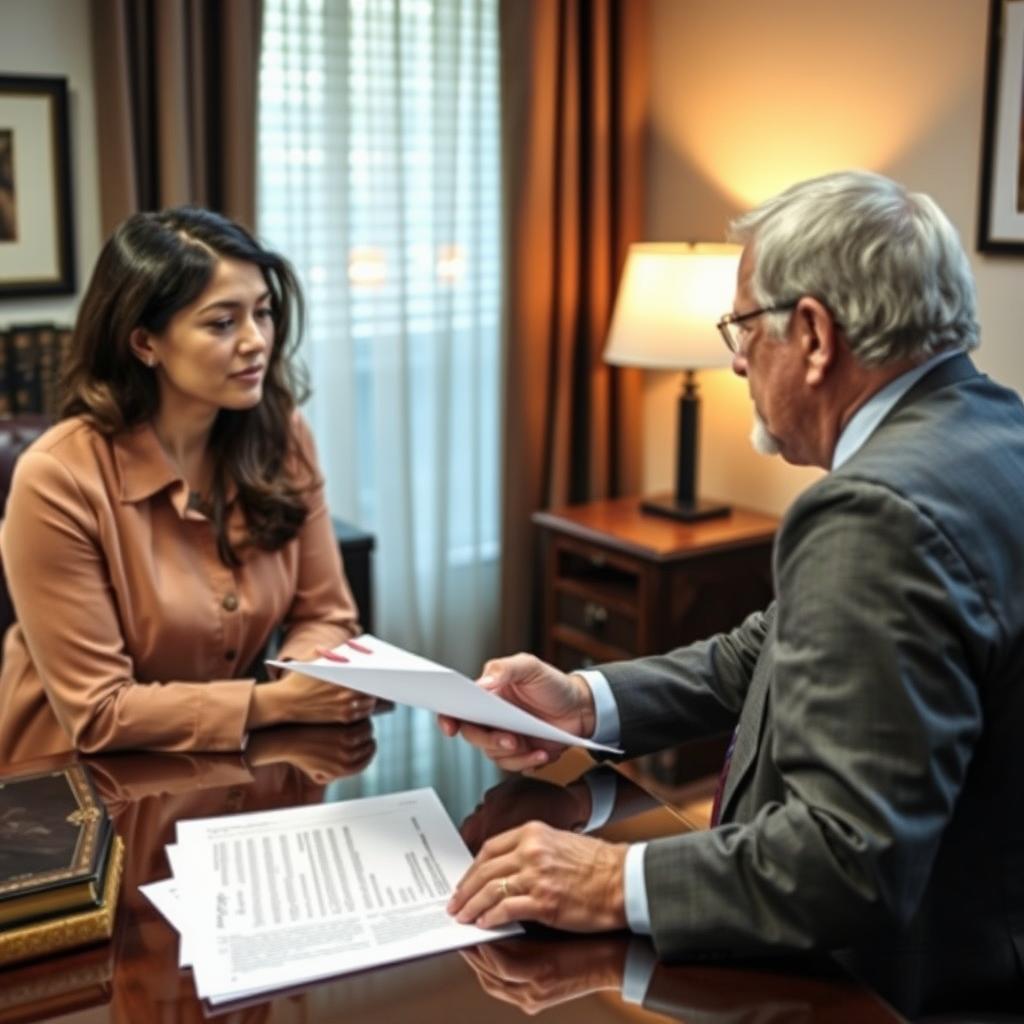
Kinship Guardianship Lawyer Fairfax County, VA
Kinship guardianship provides a legal pathway for a child’s relative to step in when parents are unable to provide stable care. In Fairfax County, Virginia, these matters unfold in the Juvenile and Domestic Relations District Court, where Mr. Sris and his Of Counsel appear on behalf of grandparents, aunts, uncles, adult siblings, and other family members seeking to create a lasting, safe environment for a child they love. Every petition must satisfy Virginia’s statutory requirements, and the court’s decision is guided by the child’s best interests. Whether you are pursuing a kinship guardianship, responding to a proposed placement, or navigating the intersection with a custody case, speaking with an experienced attorney early can help you understand your options. To request a consultation, reach Law Offices Of SRIS, P.C. at (888) 437-7747. Law Offices Of SRIS, P.C. – Advocacy Without Borders.
What Kinship Guardianship Means in Fairfax County, Virginia
Kinship guardianship is a civil proceeding in which a blood relative or, in some cases, a person with a substantial relationship to the child, petitions the court for custody-like authority. Unlike adoption, it does not sever the legal relationship between the child and the birth parents, though it does transfer certain decision-making powers to the guardian. In Fairfax County, the Juvenile and Domestic Relations District Court (J&DR Court) has jurisdiction over custody and guardianship matters involving minors, while the Fairfax County Circuit Court handles related matters that fall within its equitable distribution or divorce authority.
Virginia Code § 64.2-2000 et seq. Sets out the statutory framework for guardianship of a minor, while Title 20 governs custody and visitation. The court must determine that awarding guardianship to the relative is in the child’s best interests, considering factors such as the child’s relationship with the proposed guardian, the stability of the guardian’s home, the ability to meet the child’s needs, and any prior involvement of child protective services. Fairfax County J&DR Court applies these standards daily, and its procedures include mandatory background checks, home studies in some instances, and court reviews to ensure the arrangement remains appropriate. Mr. Sris and his Of Counsel have substantial experience in this court and understand how local judges, court staff, and community resources intersect with guardianship cases.
How Mr. Sris and His Of Counsel Handle Kinship Guardianship Cases
Mr. Sris and his Of Counsel approach each kinship guardianship matter with a thorough case assessment. This begins with evaluating the family dynamic, identifying any existing custody orders or CPS involvement, and determining whether an emergency order, temporary order, or permanent guardianship best addresses the child’s immediate safety and long-term welfare. The team then prepares and files the petition, gathers supporting documentation, and presents the case at a hearing in the Fairfax County J&DR Court, located at 4110 Chain Bridge Road, Fairfax, VA 22030.
The process can involve multiple stages: a preliminary protective order if urgency exists, a guardianship hearing where the petitioner must provide clear and convincing evidence that guardianship is in the child’s best interests, and, in contested cases, additional evidentiary hearings. Throughout this, Mr. Sris and his Of Counsel work to build a record that demonstrates the proposed guardian’s fitness and the stability of the home, while also addressing any objections raised by parents or other parties. The firm’s attorneys do not guarantee any particular result, but they direct their efforts toward obtaining a resolution that protects the child. Results may vary. In any individual case.
About Mr. Sris and His Of Counsel Team
Mr. Sris, Owner and Founder of Law Offices Of SRIS, P.C., has dedicated his practice to family law and related matters since founding the firm in 1997. A former prosecutor, he draws on years of courtroom experience to anticipate the challenges and responses that can arise in contested guardianship proceedings. Mr. Sris testified before the Virginia House Courts of Justice Committee in support of 2019 HB 635 (chief patron Del. David Bulova), reflecting his long-standing engagement with Virginia’s family-law statutes.
Mr. Sris works alongside a carefully selected group of Of Counsel attorneys—engaged through Excella—who each bring distinct strengths to kinship guardianship cases. Although they are not firm employees, their collective experience covers the full span of juvenile and domestic relations litigation. Together, Mr. Sris and his Of Counsel bring over 120 years of combined legal experience and have achieved 4,739+ documented firm-wide results. Results may vary. They serve clients throughout Fairfax County from the firm’s Fairfax location at 4008 Williamsburg Court, Fairfax, VA 22032, and appear regularly in the Fairfax County J&DR and Circuit Courts.
Frequently Asked Questions
What is kinship guardianship?
Kinship guardianship is a legal arrangement that gives a child’s relative the authority to make decisions about the child’s care, education, and medical needs, without terminating parental rights. A court appoints a guardian—often a grandparent, aunt, or uncle—when the child’s parents are unavailable or unable to provide a suitable home. The guardian assumes day-to-day physical custody and legal responsibility, but unlike adoption, the birth parents may retain certain residual rights and the possibility of seeking a modification if circumstances change. In Virginia, the court’s primary consideration is the child’s best interests.
Who can file for kinship guardianship in Fairfax County?
Generally, a blood relative or a person with whom the child has a substantial, established relationship may petition the Fairfax County Juvenile and Domestic Relations District Court for guardianship of a minor. Grandparents are the most common petitioners, but aunts, uncles, adult siblings, and—in certain circumstances—close family friends may also have standing. The petitioner must demonstrate that the guardianship is necessary to protect the child’s welfare and that the proposed guardian can provide a stable, supportive home. The court will inquire into the parent’s circumstances and may require notice to all interested parties.
How does the court decide whether to grant kinship guardianship?
The Fairfax County J&DR Court decides kinship guardianship based on the child’s best interests, using factors similar to those used in custody determinations. The judge considers the child’s relationship with the proposed guardian, the guardian’s home environment and financial capacity, any history of abuse or neglect, the child’s wishes if of sufficient age and maturity, and the parents’ ability to provide care. The petitioner must present evidence that the current living situation poses a risk and that guardianship serves the child’s long-term needs. The court may also consider a report from a guardian ad litem appointed to represent the child’s interests.
Is kinship guardianship the same as adoption?
No, kinship guardianship does not terminate parental rights, whereas adoption does. With guardianship, the child’s biological parents may retain the right to request visitation or to petition for a modification if they later demonstrate changed circumstances. The guardian makes day-to-day decisions, but certain major decisions—like relocating the child out of state or consenting to adoption by another party—may still require court approval. For many relatives, guardianship strikes a balance between preserving the child’s connection to the birth family and ensuring stability when parents cannot care for the child.
What should I bring to a consultation about a kinship guardianship case?
Bring any existing court orders, correspondence from social services or the child’s school, identification for the child and the proposed guardian, and a timeline of events experienced to the current situation. If there is a CPS case, have the caseworker’s contact information and any safety plans or service agreements. Financial records and a description of the child’s medical and educational needs also help the attorney evaluate the case. The consultation is an opportunity to outline the goals and to receive guidance on the steps ahead, so being candid and thorough speeds that process. For a consultation, reach Mr. Sris and his Of Counsel at (888) 437-7747.
Find Mr. Sris and his Of Counsel’s family law services in nearby counties: Prince William County family law attorney, Stafford County family law lawyer, Loudoun County family law representation, and Arlington County family law counsel.
Primary legal authorities: Virginia Code Title 64.2 – Guardians and Conservators ? Virginia Judicial System
Attorney advertising. Prior results do not guarantee a similar outcome. Results may vary.
Case results depend on a variety of factors unique to each case.