
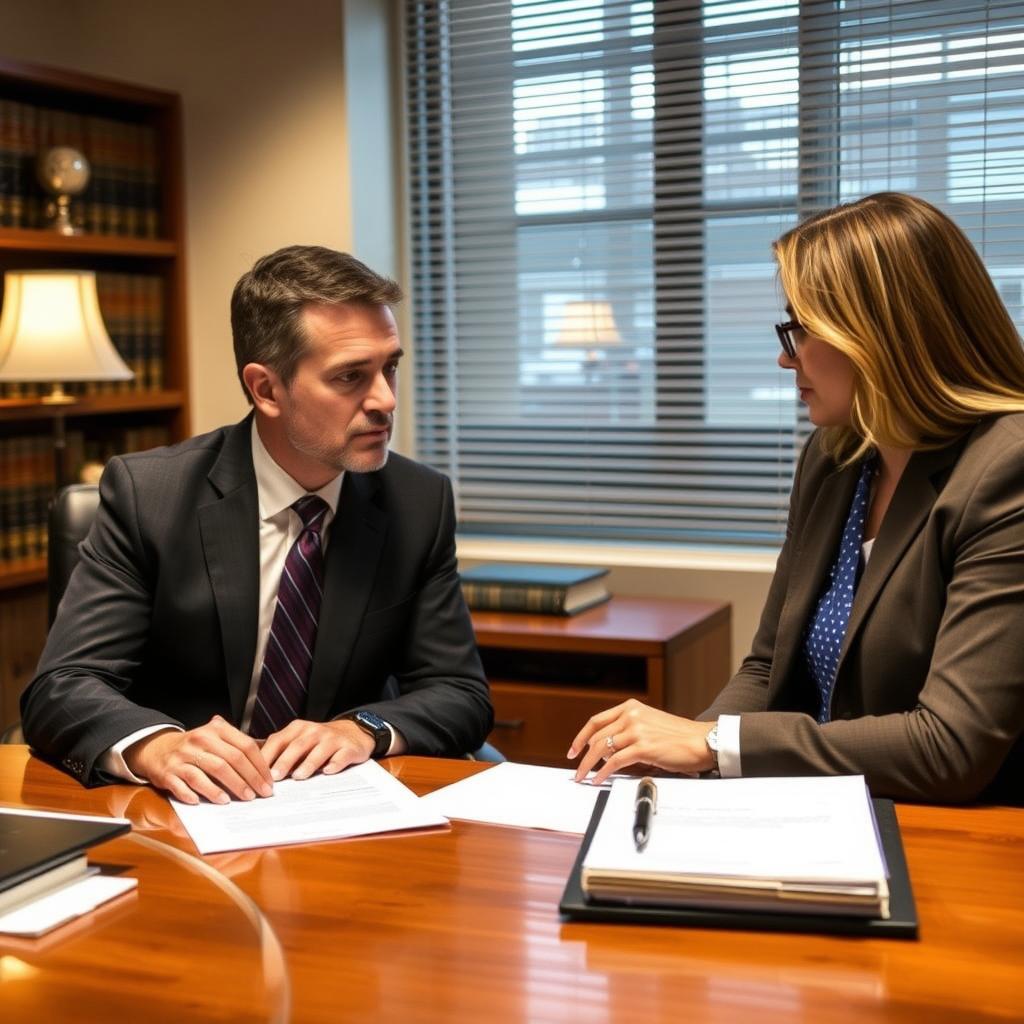
Fault Based Divorce Lawyer Near Me
If you are searching for a fault based divorce lawyer near me, you are likely facing a marriage where one spouse’s misconduct has made remaining together impossible. In Virginia, a fault-based divorce can be filed without the long separation period that a no‑fault divorce requires. Under Va. Code § 20‑91, grounds such as adultery, cruelty, desertion, and certain felony convictions allow a spouse to immediately seek an end to the marriage. Law Offices Of SRIS, P.C. represents clients throughout Virginia, Maryland, the District of Columbia, New Jersey, and New York in fault‑based divorce matters. Mr. Sris, Owner and Founder of the firm and a former prosecutor, and his Of Counsel team work closely with each person to build a case that addresses both the fault allegations and the financial and custodial issues that accompany divorce. Because the stakes in a fault‑based divorce can be high—affecting property division, spousal support, and even custody—having an attorney who understands the legal standards and how to present evidence is essential. Contact Law Offices Of SRIS, P.C. at (888) 437‑7747 to discuss your case and learn how we can help. Law Offices Of SRIS, P.C. – Advocacy Without Borders.
What Fault Based Divorce Means in Virginia
Virginia law recognizes several fault grounds that permit a spouse to file for divorce without waiting through the separation periods required for a no‑fault divorce. Adultery, the most commonly cited fault ground, carries no waiting period; a divorce may be granted as soon as the court finds sufficient proof of the act. Cruelty—including physical abuse or conduct that causes reasonable apprehension of bodily harm—also does not require a separation period. Willful desertion for one year and a spouse’s conviction of a felony resulting in imprisonment for more than one year are additional statutory grounds. In every case, at least one party must have been a domiciliary and resident of Virginia for six months before the suit is commenced, and the divorce action must be brought in the Circuit Court of the county or city where the parties last cohabited or where the defendant resides.
Fault does more than eliminate the waiting period. Under Virginia’s equitable distribution statute, Va. Code § 20‑107.3, a court may consider the circumstances and factors that contributed to the dissolution of the marriage when dividing marital property. A spouse’s proven adultery can affect the division of assets and may bar that spouse from receiving spousal support. Similarly, cruelty or desertion can influence a judge’s decision regarding alimony and, in some cases, custody if the conduct directly impacts the child’s best interests. Because these issues are fact‑intensive, a fault‑based divorce often requires investigation, discovery, and preparation for trial. Working with a lawyer who regularly handles fault‑based divorce in Virginia helps ensure that the relevant evidence is properly gathered and presented.
How Mr. Sris and His Of Counsel Handle Fault Based Divorce Cases
When you bring a fault‑based divorce to Law Offices Of SRIS, P.C., the representation begins with a detailed consultation. Mr. Sris and his Of Counsel examine the facts to determine whether a statutory fault ground exists and whether those facts can be proven with admissible evidence. If grounds are present, the team prepares and files a Complaint in the appropriate Virginia Circuit Court. At the same time, pendente lite motions may be used to request temporary child custody, support, or exclusive use of a home while the case moves forward. Because fault allegations often heighten conflict, settlement negotiations are pursued whenever possible, but the firm’s litigation‑ready approach ensures that every case is prepared as if it will go to trial. The timeline for resolving a fault‑based divorce varies with the complexity of the issues and the court’s schedule, but clients receive regular updates throughout the process.
Whether the case involves straightforward adultery or complex cruelty allegations intertwined with business valuations and custody disputes, Mr. Sris and his Of Counsel focus on presenting a clear, persuasive narrative to the court. The attorneys work with investigators, forensic accountants, and other professionals when needed to build the record. Throughout the case, the firm prioritizes protecting clients’ financial interests and parental rights while striving to achieve a resolution that avoids unnecessary courtroom battles if possible. Every client receives direct attention from the legal team, and the firm’s multi‑state presence means that even when a spouse moves out of state, the matter can often be handled without interruption.
About Mr. Sris and His Of Counsel Team
Mr. Sris, Owner and Founder of Law Offices Of SRIS, P.C., has practiced law since 1997 and is admitted in Virginia, Maryland, the District of Columbia, New Jersey, and New York. A former prosecutor, Mr. Sris brings an understanding of courtroom dynamics and evidence to every fault‑based divorce case. He testified before the Virginia House Courts of Justice Committee in support of 2019 HB 635 (chief patron Del. David Bulova), the legislation that revised Virginia’s equitable distribution statute. That background reflects his commitment to helping Virginians navigate the legal system during family transitions. Mr. Sris keeps a manageable caseload so that he can remain closely involved with each client’s matter, working in tandem with his Of Counsel team to provide thorough, responsive representation.
All other attorneys who work on family law matters at the firm serve as Of Counsel, engaged through Excella. They bring experience in litigation, negotiation, and family law practice. While Mr. Sris oversees case strategy, the Of Counsel team assists with hearings, discovery, and trial preparation, ensuring that multiple attorneys are familiar with every file. This collaborative model allows the firm to handle fault‑based divorces that involve significant assets, business interests, or contested custody while maintaining a high level of personal service. The firm’s Fairfax location serves clients throughout Northern Virginia, and the firm is available to clients across all five jurisdictions where its attorneys are licensed.
Frequently Asked Questions
What is a fault based divorce in Virginia?
A fault based divorce in Virginia allows a spouse to file for divorce immediately based on specific misconduct, such as adultery, without any required separation period. Under Va. Code § 20‑91, the court may grant an absolute divorce without requiring the parties to live apart if the petitioner proves that the other spouse committed an act that constitutes a statutorily recognized fault ground. This type of divorce often leads to a contested proceeding because the alleged fault must be proven with evidence.
What are the grounds for a fault based divorce under Virginia law?
Virginia recognizes four fault grounds for divorce: adultery, cruelty, desertion for one year, and conviction of a felony that results in imprisonment for more than one year. Adultery and cruelty do not require a separation period, while desertion and felony conviction have their own statutory requirements. Each ground is set out in Va. Code § 20‑91, and the petitioner must present sufficient evidence to satisfy the court.
Does fault affect property division or spousal support in Virginia?
Yes, a finding of fault can significantly influence a Virginia court’s equitable distribution of marital property and its decision on spousal support. Under Va. Code § 20‑107.3, the court may weigh the circumstances that contributed to the dissolution of the marriage, including proven adultery or cruelty, when dividing assets. Fault may also bar a spouse from receiving spousal support under Va. Code § 20‑107.1, depending on the nature of the misconduct.
Do I need a lawyer for a fault based divorce?
You are not legally required to hire a lawyer, but a fault based divorce involves proving misconduct to a court, which makes experienced legal guidance important. Presenting admissible evidence of adultery, cruelty, or desertion requires familiarity with the rules of evidence and procedure. Mr. Sris and his Of Counsel handle fault‑based divorce cases regularly and can help ensure that your rights and financial interests are protected throughout the process.
How does Law Offices Of SRIS, P.C. assist in fault based divorce cases?
Mr. Sris and his Of Counsel team evaluate your grounds, gather evidence, file the necessary pleadings, and represent you in court to pursue a fair resolution. From the initial consultation through trial, the firm works to present a clear, persuasive case. When appropriate, the attorneys also explore settlement options to resolve the divorce without a lengthy trial, but every case is prepared as if it will go to court.
What should I bring to an initial consultation about a fault based divorce?
Bring any existing separation agreements, financial records, evidence of the alleged fault, and a written list of questions to help the attorney assess your situation. Documents such as bank statements, tax returns, and correspondence that may relate to the fault ground are especially useful. The more information you provide at the first meeting, the better the attorney can explain your options and the likely path forward.
Related resources: Learn more about our Virginia divorce practice, contested divorce representation, adultery divorce guidance, and spousal support issues.
Primary legal sources: Review the Virginia Code provisions on divorce in Title 20 of the Virginia Code and visit the Virginia Judicial System website for court information.
Attorney advertising. Prior results do not guarantee a similar outcome.
Case results depend on a variety of factors unique to each case.