
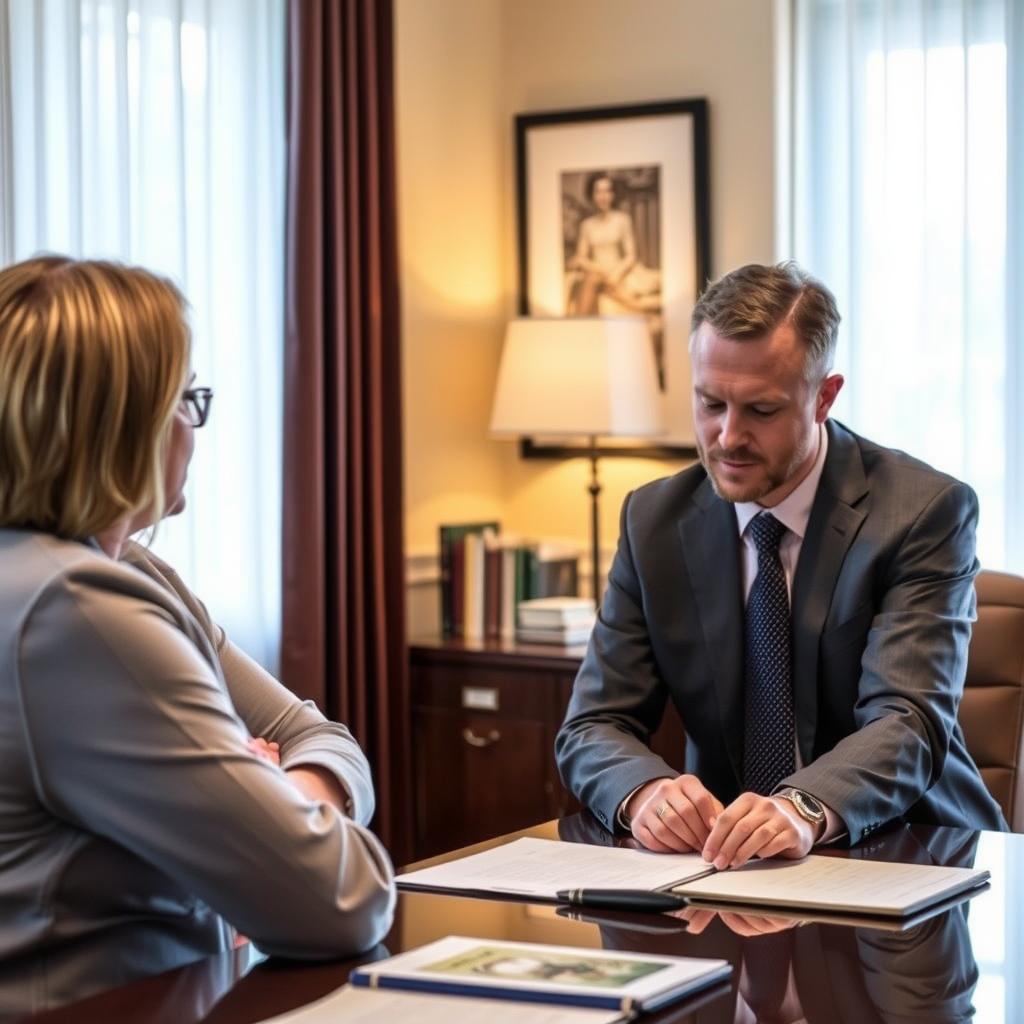
Divorce Decree Modification Lawyer Falls Church, VA
When a divorce decree no longer reflects the current reality of the parties—whether due to a job loss, relocation, or changes in the needs of a child—Virginia law provides a mechanism to request a modification. In Falls Church, the Circuit Court handles requests to modify property division and spousal support, while the Juvenile and Domestic Relations District Court addresses custody, visitation, and child support adjustments. Law Offices Of SRIS, P.C. represents individuals seeking post-divorce modifications in these courts. Mr. Sris and his Of Counsel bring extensive combined legal experience to the task of evaluating changed circumstances, preparing motions, and presenting persuasive arguments to the court. To discuss your situation, reach our firm at (888) 437-7747. Law Offices Of SRIS, P.C. – Advocacy Without Borders.
What Divorce Decree Modification Means in Falls Church, Virginia
A divorce decree modification is a formal court order that alters one or more terms of an existing divorce judgment. Not every provision is open to revision. Under Virginia law, property distribution and equitable distribution awards are generally final and not subject to modification absent fraud, mistake, or an express reservation of jurisdiction in the decree. In contrast, spousal support, child custody, visitation, and child support are modifiable if the party seeking the change can demonstrate a material change in circumstances that was not anticipated at the time of the original order.
In Falls Church, the forum depends on what is being modified. The Falls Church Circuit Court, located at 300 Park Avenue, Suite 151W, Falls Church, VA 22046, holds exclusive original jurisdiction over divorce and equitable distribution matters and hears petitions to modify spousal support. The Falls Church Juvenile and Domestic Relations District Court, also at the same courthouse complex, presides over standalone custody, visitation, and child support cases—even if they arise out of a divorce. A party seeking to modify several provisions may need to file in both courts. Our Fairfax location, which serves the Falls Church community, is familiar with the procedural expectations of the Seventeenth Judicial District and the Hon. Jason S. Rucker, chief judge. The Virginia Code—including Va. Code § 20‑109 for spousal support, § 20‑108 for child support, § 20‑108.1 for the child support guidelines, and § 20‑124.3 for the best interests factors in custody—provides the statutory framework that guides every modification request.
How Mr. Sris and His Of Counsel Handle Divorce Decree Modification Cases
Every modification begins with a careful review of the existing decree and the intervening facts. Mr. Sris and his Of Counsel assess whether the change is substantial, durable, and one that the Virginia courts are likely to recognize. They analyze the evidence of changed circumstances, communicate with the opposing party’s counsel when productive, and work to resolve the issue through negotiation or mediation before turning to litigation. If an agreement is reached, they draft a consent order for the court’s approval; if not, they prepare a motion to modify and present the case at a hearing.
Virginia courts apply a burden-shifting framework: the party moving for a modification must first prove a material change in circumstances, after which the court determines whether a modification serves the best interests of the child (for custody) or meets the statutory factors for support adjustments. Mr. Sris and his Of Counsel have extensive experience marshalling financial records, testimony, and documentary evidence to meet that burden. They appear regularly in the Falls Church Circuit Court and Juvenile and Domestic Relations District Court, understanding the local docket and the procedural nuances that can affect timing and outcome. Because firm attorneys are licensed in Virginia and four other jurisdictions, they are also equipped to handle modifications involving interstate custody or support orders under the Uniform Interstate Family Support Act.
About Mr. Sris and His Of Counsel Team
Mr. Sris, Owner and Founder of Law Offices Of SRIS, P.C., has practiced family law since the firm’s founding in 1997. A former prosecutor, he brings a trial‑tested perspective to every modification matter, whether it is negotiated or litigated. Mr. Sris is admitted to practice in Virginia, Maryland, the District of Columbia, New Jersey, and New York. He testified before the Virginia House Courts of Justice Committee in support of 2019 HB 635 (chief patron Del. David Bulova), a measure that revised the equitable distribution statute. His familiarity with the nuances of Virginia’s divorce and equitable distribution laws informs his approach to modifications.
Mr. Sris and his Of Counsel bring extensive combined legal experience. Results may vary. The team works collaboratively, drawing on the backgrounds of attorneys who have served as former prosecutors, a former Virginia state trooper, and counsel experienced in complex financial and custody disputes. This collective skill set allows the firm to address the full range of issues that surface in post‑divorce modification proceedings, from valuation of business or retirement assets to relocation and parenting‑plan adjustments.
Frequently Asked Questions
Can a divorce decree be modified after it is final in Virginia?
Yes, certain provisions of a Virginia divorce decree can be modified after the decree becomes final if there has been a material change in circumstances. Spousal support, child custody, visitation, and child support are generally modifiable. Property division and equitable distribution awards are normally final and not subject to modification unless the decree reserved jurisdiction or there was fraud or mistake. A Falls Church court will require the moving party to present convincing evidence of a substantial and unanticipated change.
What qualifies as a material change in circumstances for a modification?
A material change is a significant alteration in the factual situation that was not contemplated at the time of the original order and that affects the well‑being of a child or the financial needs of a party. Examples include a substantial change in income, relocation of a parent, a child’s evolving educational or health needs, or a supported spouse’s remarriage. Virginia courts evaluate the totality of the circumstances and will not modify a decree based on minor or temporary fluctuations.
Which Falls Church court handles a divorce decree modification?
The Falls Church Circuit Court handles modifications involving spousal support and, if the divorce case remains open, may also address custody and child support. Standalone custody, visitation, and child support modifications are filed in the Falls Church Juvenile and Domestic Relations District Court. A party who needs to modify spousal support and child custody simultaneously may need to file in both courts. Our firm regularly practices in both forums and can coordinate the filings.
Do I need a lawyer to modify a divorce decree in Falls Church?
While you are not legally required to have a lawyer, modifying a divorce decree involves procedural rules, evidentiary standards, and strategic decisions that are difficult to navigate without legal counsel. An experienced family law attorney can help you gather the necessary evidence, frame the legal argument around the statutory factors, and negotiate or litigate the request effectively. A misstep—such as failing to plead the correct statute or calculate child support correctly—can delay or defeat a meritorious modification. Consulting an attorney early helps protect your rights.
How long does a modification take in Falls Church?
The timeline for a divorce decree modification in Falls Church depends on court scheduling, the complexity of the issues, and whether the parties reach an agreement. Uncontested modifications presented by consent order may be resolved within weeks after filing; contested modifications that require an evidentiary hearing can extend for several months. The Falls Church courts set hearing dates based on their docket availability. Early consultation with an attorney can help you anticipate the likely schedule and prepare accordingly.
family law lawyer Fairfax County · family law lawyer Fairfax City · family law lawyer Prince William County · family law lawyer Manassas
Primary Virginia legal references: Virginia Code Title 20 (Domestic Relations) · Falls Church Circuit Court · Virginia’s Judicial System
Attorney advertising. Prior results do not guarantee a similar outcome. Case results depend on a variety of factors unique to each case. Results may vary.