
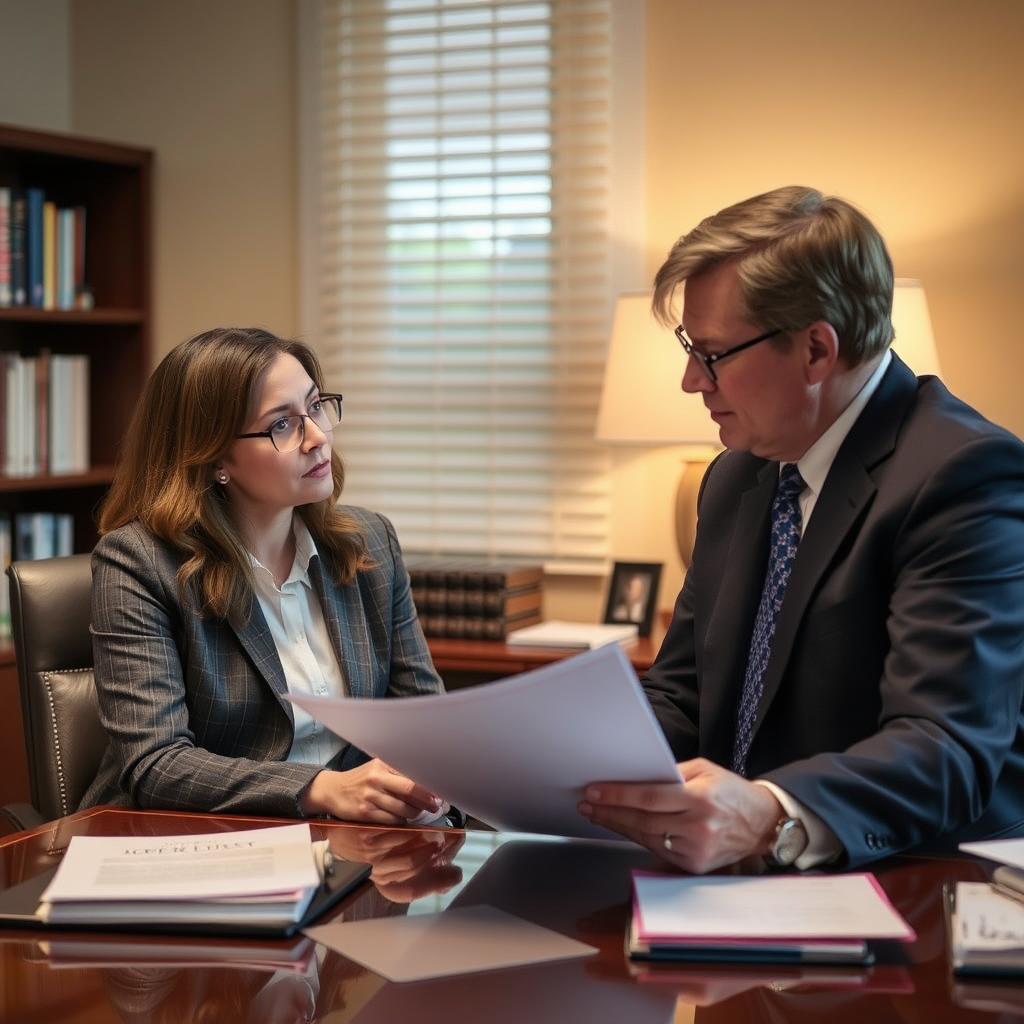
Domestic Violence Lawyer Prince William County, VA
Domestic violence allegations carry immediate and far‑reaching consequences for every member of a Virginia household. A protective order can restrict where a person may live, what property they may keep, and whether they can see their children. In Prince William County, those orders are heard in the Juvenile and Domestic Relations District Court, and when the same facts overlap with a divorce, they also shape proceedings in the Prince William County Circuit Court. Because a single allegation can alter custody, support, and residence overnight, having experienced counsel from the outset is critical. Mr. Sris, a former prosecutor, founded Law Offices Of SRIS, P.C. in 1997, and together with his Of Counsel team he has represented clients in domestic violence matters across Northern Virginia. From our Fairfax location we serve Manassas, Woodbridge, Dale City, Dumfries, Gainesville, Haymarket, Lake Ridge, Occoquan, and the entire Prince William County community. To speak with an attorney about your situation, reach Law Offices Of SRIS, P.C. at (888) 437‑7747. Law Offices Of SRIS, P.C. – Advocacy Without Borders.
What Domestic Violence Means in Prince William County, Virginia
In Virginia, domestic violence is treated primarily as a family law matter when the parties share a household, have a child in common, or are current or former spouses. The core tool for immediate protection is the protective order, which a petitioner may seek by filing a petition in the Prince William County Juvenile and Domestic Relations District Court. The same court handles emergency custody, visitation, and child support issues that often arise alongside abuse allegations. When a divorce is already pending or is filed after an incident, the Prince William County Circuit Court—which has exclusive jurisdiction over divorce and equitable distribution—must factor any protective‑order findings into its custody and property decisions. Because the two courts may act on related facts at different speeds, a party involved in a domestic violence matter frequently needs representation that understands both the rapid timeline of a protective‑order hearing and the longer arc of a contested divorce.
Virginia law distinguishes three levels of protective orders: an emergency protective order, a preliminary protective order, and a permanent protective order. An emergency order may be issued by a magistrate or judge without the alleged abuser being present, often on the same day as the initial complaint. A preliminary order sets a hearing date and can impose temporary restrictions until the full hearing. At the permanent protective‑order hearing, the judge determines whether to extend the order for up to two years. Throughout this process, the J&DR Court also weighs the best interests of any children involved under the statutory factors that guide Virginia custody determinations. A protective order that includes children can limit the respondent’s access to the family home, school, and daycare. For anyone navigating these overlapping legal proceedings in the Thirty‑first Judicial District—whether seeking protection or defending against an allegation—experienced legal guidance helps ensure that every statutory requirement and procedural deadline is met.
How Mr. Sris and His Of Counsel Handle Domestic Violence Cases
Mr. Sris and his Of Counsel approach each domestic violence matter with an understanding that the stakes extend well beyond the courtroom. A protective order can trigger the federal firearm prohibition under the Lautenberg Amendment, affect security clearances for military and federal employees who are common in the Prince William County workforce, and create a record that later influences custody or divorce negotiations. The team therefore begins by gathering the complete procedural and factual picture: the circumstances of the alleged incident, any prior 911 calls or police reports, the status of any pending divorce or custody case, and the specific court—J&DR or Circuit—that will hear the matter.
Because Mr. Sris brings the perspective of a former prosecutor, he is familiar with how the Commonwealth’s Attorney’s office evaluates domestic cases and what evidence tends to be outcome‑determinative. His Of Counsel contribute their own litigation experience, allowing the team to prepare effectively for both the fast‑paced preliminary hearing and a contested final hearing. For a petitioner seeking a protective order, the team works to present a coherent, well‑documented case that addresses the statutory elements. For a respondent, the focus is on challenging the sufficiency of the evidence, identifying procedural defects, and, where appropriate, negotiating a consent agreement that avoids the collateral consequences of an adjudicated finding. Throughout, the attorneys appear personally in the Prince William County courts; they are familiar with the local docket practices and the kinds of documentation the judges expect. Results in any single matter cannot be predicted, and the firm does not guarantee a particular outcome, but Mr. Sris and his Of Counsel strive to resolve each case in a manner that protects their client’s long‑term interests.
About Mr. Sris and His Of Counsel Team
Mr. Sris, Owner and Founder of Law Offices Of SRIS, P.C., has been practicing since 1997. Before founding the firm, he served as a former prosecutor—experience that now informs his ability to assess domestic violence cases from both the petitioner’s and the respondent’s perspective. Mr. Sris testified before the Virginia House Courts of Justice Committee in support of 2019 HB 635 (chief patron Del. David Bulova). He is admitted to practice in Virginia, Maryland, the District of Columbia, New Jersey, and New York, which allows the firm to assist clients whose domestic relations matters cross state lines. Mr. Sris keeps his personal caseload limited so that each matter receives his direct attention, and he works collaboratively with the firm’s Of Counsel to bring deep litigation experience to every hearing.
The Of Counsel attorneys who assist Mr. Sris in family law and domestic violence cases bring their own substantial courtroom backgrounds. Collectively, they have handled family law matters in the Prince William County J&DR and Circuit Courts for many years. The team includes former prosecutors and litigators who are comfortable presenting evidence under the pressures of a contested protective‑order hearing. Because all non‑Sris attorneys serve as Of Counsel—the firm has no associates or employees—every professional time that is devoted to a domestic violence case reflects the judgment of an attorney with a track record of independent litigation. The team works closely together so that, whether the next step is a preliminary protective‑order hearing or a custody modification trial, the client has consistent, informed representation.
Frequently Asked Questions
What is the difference between a protective order and a restraining order in Virginia?
In Virginia, the term “protective order” is used for family‑abuse cases, while “restraining order” generally refers to civil injunctions outside the family‑abuse statute. For domestic violence involving family or household members, the petitioner seeks a protective order under the procedures set out in the Code of Virginia. The court may issue an order that prohibits contact, grants temporary possession of a residence, and addresses custody and support. A civil restraining order, by contrast, arises in other contexts, such as neighbor disputes. In Prince William County, petitions for protective orders are filed in the Juvenile and Domestic Relations District Court. If a divorce is pending, the same protective‑order facts can become part of the Circuit Court’s custody and property decisions, making it important that counsel coordinate both proceedings.
How do I get a protective order in Prince William County?
A protective order begins with a petition filed at the Prince William County Juvenile and Domestic Relations District Court. The petitioner must describe the alleged abuse under oath. A magistrate or judge may issue an emergency protective order immediately, valid for a short period, if the circumstances warrant it. Within that window, a preliminary protective order hearing is scheduled. At that hearing the court may grant a preliminary order and set a date for the permanent hearing. Both parties are entitled to present evidence at the permanent hearing. Because the timeline moves quickly and the paperwork must meet the court’s requirements, many individuals consult an experienced attorney to assist with the petition and to prepare for the hearing. Contact Law Offices Of SRIS, P.C. at (888) 437‑7747 to discuss your situation.
Can a protective order affect child custody in Virginia?
Yes, a protective order can include temporary custody and visitation provisions that remain in effect until a separate custody order is entered. The Virginia courts consider the best interests of the child, and a finding of family abuse is one of the statutory factors that the judge weighs. An order that excludes a parent from the family home also effectively decides which parent the child lives with pending further hearings. If a divorce or custody case is already pending in the Prince William County Circuit Court, the protective order will be closely reviewed by that court as well. It is not automatic that a protective order results in a permanent loss of custody or visitation rights, but it creates a legal context that must be addressed deliberately at every subsequent custody hearing.
Do I need a lawyer for a domestic violence protective order hearing?
You are not legally required to have a lawyer to petition for or defend against a protective order, but the hearing can carry significant consequences that are difficult to manage without legal representation. A permanent protective order can affect where you live, limit your contact with your children, appear on background checks, and trigger federal firearm restrictions. The hearing follows formal rules of evidence; an attorney can help you present your case effectively, cross‑examine witnesses, and understand the procedural requirements of the Prince William County J&DR Court. Whether you are the petitioner seeking protection or the respondent facing allegations, an experienced domestic violence lawyer can help you evaluate the strength of the evidence and the likely outcomes so that you can make informed decisions.
What should I do if I have been falsely accused of domestic violence in a custody case?
If you have been falsely accused, take the accusation seriously, avoid direct contact with the accuser, and consult an attorney as soon as possible. In Prince William County, a false allegation can quickly lead to an emergency protective order that removes you from your home and restricts access to your children. An attorney can assist in gathering exculpatory evidence—such as text messages, eyewitness accounts, or third‑party records—that may be presented at the preliminary and permanent hearings. Because the J&DR Court must consider the best interests of the child, the judge will examine whether the allegation is credible and what parenting arrangement is safest. An experienced lawyer can also help you navigate the intersection of the protective‑order case with any pending divorce or custody matter in the Circuit Court, so that one adverse finding does not unnecessarily dictate the outcome of the other.
Additional family law resources for Northern Virginia:
- Family Law Lawyer Fairfax County, VA
- Family Law Lawyer Stafford County, VA
- Family Law Lawyer Fauquier County, VA
- Family Law Lawyer Loudoun County, VA
- Family Law Lawyer Arlington County, VA
Official Virginia resources:
Attorney advertising. Prior results do not guarantee a similar outcome. Results may vary.
Case results depend on a variety of factors unique to each case.