
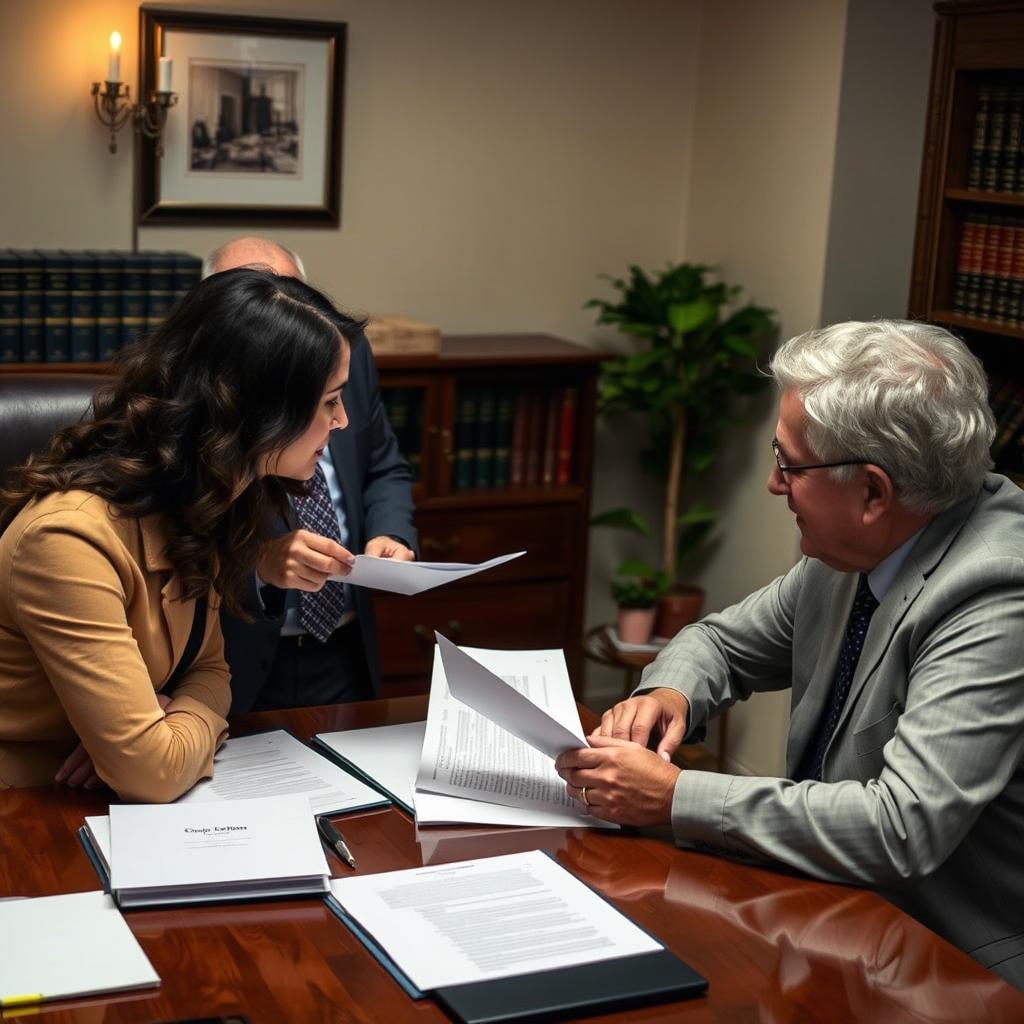
Separation Lawyer Fairfax County, VA
When a marriage reaches the point where spouses no longer live together, the separation period often becomes the foundation of the divorce process in Virginia. Under Va. Code § 20‑91(9), the Commonwealth provides a no‑fault divorce ground that requires the parties to live separate and apart for a specified period. In Fairfax County, the Circuit Court at 4110 Chain Bridge Road handles the final divorce, while the Juvenile and Domestic Relations District Court may address related custody, support, and protective‑order matters during the separation. Mr. Sris and his Of Counsel assist clients throughout Fairfax County—including Fairfax City, Burke, Centreville, Chantilly, Herndon, Reston, McLean, Vienna, Tysons, Oakton, Springfield, Annandale, and the Falls Church area—with drafting separation agreements, negotiating terms for property division and support, and preparing for the eventual divorce filing. To speak with an attorney about your separation, call Law Offices Of SRIS, P.C. at (888) 437‑7747. Law Offices Of SRIS, P.C. — Advocacy Without Borders.
What Separation Means in Fairfax County
Virginia does not recognize a formal legal‑separation status like some other states. Instead, separation functions as the factual starting point for most no‑fault divorces. To obtain a divorce on the no‑fault ground, the parties must have lived separate and apart for one year, or for six months if they have no minor children and have entered into a signed separation agreement resolving all issues (Va. Code § 20‑91(9)(a)–(b)). The Fairfax County Circuit Court has exclusive original jurisdiction over the divorce itself, while the Fairfax County Juvenile and Domestic Relations District Court may hear standalone custody, visitation, child‑support, and protective‑order cases during the separation. The separation period does not begin automatically when spouses stop sharing a bedroom; Virginia law requires a clear intention to end the marriage, coupled with a physical cessation of cohabitation.
In Fairfax County, a property settlement agreement—often called a separation agreement or marital settlement agreement—allows spouses to resolve all outstanding issues without trial. Under Va. Code § 20‑109, a properly drafted and signed separation agreement can address property classification, equitable distribution of marital assets, spousal support, child custody, parenting time, and child support. Once the agreement is executed, the parties may wait for the applicable separation period to expire before filing a no‑fault divorce complaint. Mediation is available but not mandatory in Virginia; many couples in Fairfax County choose to mediate the terms of their separation agreement.
How Mr. Sris and His Of Counsel Handle Separation Cases
Mr. Sris and his Of Counsel take a practical, forward‑looking approach to separation matters. The process typically begins with a consultation that maps out the client’s goals—whether they seek a clean no‑fault divorce, need temporary support or custody orders, or must address complex marital assets such as business interests, retirement accounts, or international property. Because Virginia is an equitable distribution state (Va. Code § 20‑107.3), the team works to identify, classify, and value marital property early so that negotiating positions are grounded in fact. If the parties cannot reach a comprehensive agreement, the attorneys may file a pendente lite motion in the Fairfax County Circuit Court or Juvenile and Domestic Relations District Court to obtain temporary rulings on custody, visitation, and support while the separation runs its course.
Once a separation agreement is drafted, the team reviews every provision for enforceability and clarity, ensuring that all required waivers and acknowledgments comply with Virginia law. After the separation period has elapsed, the attorneys file the no‑fault divorce complaint in the Fairfax County Circuit Court, present the corroborating witness required by Virginia practice, and submit the final decree. Contested matters—where the parties disagree on custody, support, or property division—proceed through discovery, settlement conferences, and, if necessary, trial. Throughout the process, Mr. Sris and his Of Counsel remain available to answer questions and adjust strategy as circumstances change.
About Mr. Sris and His Of Counsel Team
Mr. Sris, Owner and Founder of Law Offices Of SRIS, P.C., is a former prosecutor who founded the firm in 1997. He is admitted to practice in Virginia, Maryland, the District of Columbia, New Jersey, and New York. Mr. Sris testified before the Virginia House Courts of Justice Committee in support of 2019 HB 635 (chief patron Del. David Bulova). His experience in the courtroom and his knowledge of Virginia domestic‑relations law inform his approach to separation cases, where the goal is to position clients for a fair resolution whether through negotiation or litigation.
Mr. Sris is supported by Of Counsel attorneys who bring substantial litigation and family‑law experience. The team collectively has over 120 years of combined legal experience. Results may vary. Mr. Sris and his Of Counsel have documented 4,739+ case results across all practice areas since the firm’s founding. Every case receives attention to the factual details that matter most—property classification, support guidelines, and the best interests of any children involved.
Frequently Asked Questions
What is the difference between a separation and a divorce in Virginia?
Virginia does not grant a “legal separation” status; separation is the factual prerequisite for a no‑fault divorce. During the separation period, spouses live apart with the intent to end the marriage. The divorce itself is the legal termination of the marriage, granted by the Fairfax County Circuit Court after the required separation period has run. While separated, spouses may use a separation agreement to settle custody, support, and property issues, but the marriage remains in effect until a final divorce decree is entered.
Do I need a separation agreement before I can get divorced in Fairfax County?
A separation agreement is required only if you are using the six‑month no‑fault ground under Va. Code § 20‑91(9)(b). If you have minor children and have been separated for at least one year, you may file for divorce without a signed agreement. However, a comprehensive separation agreement resolves all open issues before the divorce is filed, which can simplify the process and reduce conflict. Mr. Sris and his Of Counsel routinely prepare these agreements for clients in Fairfax County. For guidance on your specific situation, reach Law Offices Of SRIS, P.C. at (888) 437‑7747.
How long must we be separated before we can file for divorce in Virginia?
The waiting period is one year, or six months if the spouses have no minor children and have signed a separation agreement resolving all issues. The clock starts only when the parties have stopped cohabiting and at least one spouse intends the separation to be permanent. The timeline may vary depending on when the separation agreement is finalized and whether any minor children are involved. The Fairfax County Circuit Court reviews the separation period as part of the no‑fault divorce proceeding. To discuss the details of your matter, contact Law Offices Of SRIS, P.C. at (888) 437‑7747.
Can a separation agreement address child custody and support in Fairfax County?
Yes, a separation agreement can and should address custody, visitation, and child support for any minor children of the marriage. The Fairfax County Juvenile and Domestic Relations District Court has jurisdiction over standalone custody and support matters, but during a divorce, the Circuit Court may also enter orders consistent with the agreement. Under Virginia law (Va. Code § 20‑108.1 for child support guidelines and § 20‑124.2 for the trusted‑interests factors), any agreement must serve the child’s best interests. Mr. Sris and his Of Counsel draft agreements that protect parental rights while complying with the statutory requirements.
What happens if we reconcile after separating?
If spouses reconcile and resume cohabitation, the separation period resets and any pending divorce based on separation may be dismissed. Virginia law treats reconciliation as a termination of the separation, so a new waiting period must run if the parties later separate again. A valid reconciliation also suspends the effect of a separation agreement unless the agreement itself expressly provides that it survives reconciliation and remains enforceable. For a consultation, reach Mr. Sris and his Of Counsel at (888) 437‑7747.
Do I need a lawyer to prepare a separation agreement in Fairfax County?
You are not required to hire a lawyer, but an attorney can help ensure the agreement is enforceable and accurately reflects Virginia law. A separation agreement that omits required waivers, misclassifies property, or sets support below statutory guidelines may be rejected by the court or become the source of future litigation. Mr. Sris and his Of Counsel review every detail to protect clients’ interests. The Fairfax County Circuit Court will examine the agreement when the divorce is filed, and an experienced family‑law attorney can guide you through that review.
Related localities we serve:
Prince William County family law attorney ·
Stafford County family law attorney ·
Fauquier County family law attorney ·
Loudoun County family law attorney ·
Arlington County family law attorney
Primary legal sources:
Virginia Code Title 20 (Domestic Relations) ·
Fairfax County Circuit Court
Attorney advertising. Prior results do not guarantee a similar outcome. Case results depend on a variety of factors unique to each case. Results may vary.