
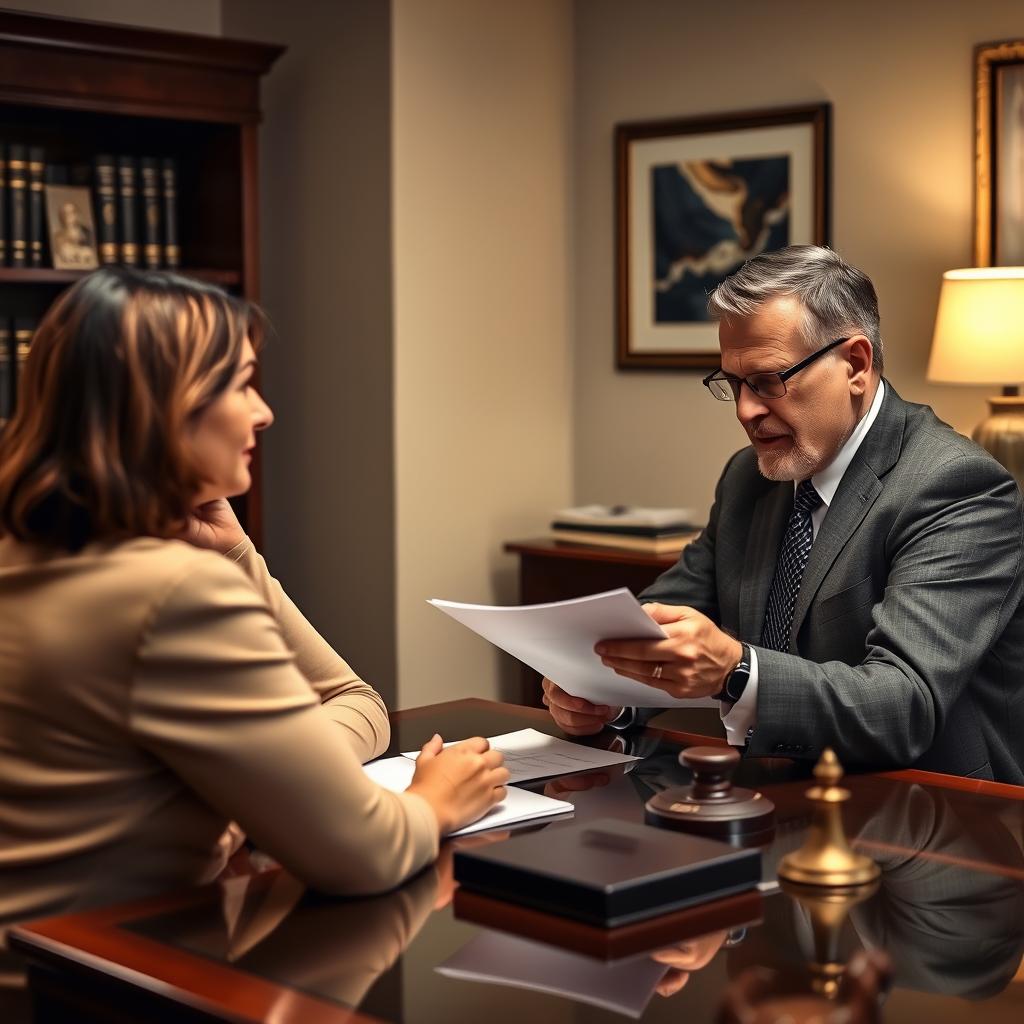
Armed Forces Divorce Lawyer Warren County
An Armed Forces Divorce Lawyer Warren County handles the specific legal issues of military divorces in Warren County, New York. These cases involve state law and federal military regulations. The Law Offices Of SRIS, P.C.—Advocacy Without Borders. provides focused representation for service members. Our team understands the jurisdictional and procedural challenges unique to military life. (Confirmed by SRIS, P.C.)
Statutory Definition of Military Divorce in New York
Military divorce in New York is governed by state Domestic Relations Law and federal statutes like the Servicemembers Civil Relief Act (SCRA). New York Domestic Relations Law Article 13 controls divorce grounds and procedures. The SCRA provides protections for active-duty service members. These include stays of proceedings and default judgment safeguards. An Armed Forces Divorce Lawyer Warren County must handle both sets of laws. Jurisdiction is a primary concern in military divorce cases. New York requires residency or domicile to file for divorce. A service member stationed in Warren County may establish residency. The military member’s home of record can also impact jurisdiction. Proper filing location is critical for case efficiency.
New York Domestic Relations Law § 170 — Grounds for Divorce — No Criminal Penalty. This statute establishes the legal grounds for divorce in New York State. It includes both fault and no-fault grounds such as irretrievable breakdown. For military families, establishing grounds under New York law is the first step. The statute itself does not impose fines or jail time. It is a civil statute governing marital dissolution.
How does military status affect New York residency requirements?
Military service can establish residency for divorce filing in New York. A service member stationed in Warren County for 12 months meets the residency requirement. The military member’s legal domicile is also a key factor. Domicile is the place they intend to return after service. An Armed Forces Divorce Lawyer Warren County analyzes both station and domicile. This determines the correct court for filing the divorce action.
What is the Servicemembers Civil Relief Act (SCRA) protection?
The SCRA allows active-duty members to request a stay of civil proceedings. This includes divorce and child custody cases. The court must grant a minimum 90-day stay upon application. This protects service members who cannot participate due to military duties. A Warren County judge will review the request and military orders. The stay ensures the service member’s legal rights are preserved.
How are military pensions divided in a New York divorce?
Military pensions are marital property subject to equitable distribution in New York. The Uniformed Services Former Spouses’ Protection Act (USFSPA) enables direct payment. A New York court can issue a qualified domestic relations order (QDRO). The order directs the Defense Finance and Accounting Service (DFAS) to pay the former spouse. The 10/10 rule often governs direct payment eligibility. An experienced attorney ensures proper valuation and division.
The Insider Procedural Edge in Warren County
The Warren County Supreme Court handles all divorce and family law matters. The court is located at 1340 State Route 9, Lake George, NY 12845. Procedural specifics for Warren County are reviewed during a Consultation by appointment at our Warren County Location. The court follows New York State Unified Court System rules. Military divorce filings require additional documentation. This includes military orders and proof of active-duty status. The court clerk’s Location can provide local filing forms. Timelines in Warren County depend on case complexity and court docket.
What is the filing fee for divorce in Warren County Supreme Court?
The current index filing fee for a divorce action is $210. Additional fees apply for motions and required forms. Service members may qualify for fee waivers under certain conditions. The court requires payment at the time of filing. Fee schedules are posted by the Warren County Clerk. Learn more about Virginia family law services.
What is the typical timeline for a military divorce in Warren County?
A contested military divorce can take 12 to 18 months to finalize. Uncontested cases may resolve in 4 to 6 months. SCRA stays can extend the timeline significantly. The court’s calendar and motion practice affect the schedule. Deployment or training delays are common factors. Early legal planning helps manage expectations.
Where do I file divorce papers if I am stationed outside New York?
You can file in Warren County if you or your spouse meet residency requirements. New York law allows filing where either party resides. Military members often file in their state of legal domicile. Paperwork can be filed by mail or through local counsel. The Warren County Supreme Court accepts filings from deployed personnel. Proper service rules must still be followed.
Penalties & Defense Strategies in Military Divorce
Military divorce involves civil penalties, not criminal charges. The primary consequences are financial and custodial orders. Courts issue judgments for asset division, support, and legal fees. Failure to comply can result in contempt findings. Contempt may lead to wage garnishment or other enforcement actions. For the service member, non-compliance can also trigger military command involvement. An Armed Forces Divorce Lawyer Warren County develops strategies to protect client interests. Defense focuses on fair valuation and equitable distribution.
| Potential Outcome | Typical Range | Notes |
|---|---|---|
| Child Support | Based on NY CSSA guidelines | Calculated using combined parental income and number of children. |
| Spousal Maintenance | Duration and amount vary by case | Factors include length of marriage and income disparity. |
| Division of Military Pension | Up to 50% of marital portion | Governed by USFSPA and NY equitable distribution law. |
| Attorney’s Fees | Case-dependent | Courts may order one party to contribute to the other’s fees. |
| Property Division | Equitable distribution of marital assets | Includes household goods, vehicles, and savings accumulated during marriage. |
[Insider Insight] Warren County judges are familiar with military family issues. The court recognizes the transient nature of military life. Prosecutors in family court matters seek enforceable orders. They prioritize stability for children during parental deployment. Local trends show respect for SCRA protections. Judges expect full disclosure of military benefits and pay. Hiding assets or income leads to severe sanctions.
How does deployment affect child custody arrangements?
Deployment requires a temporary custody modification plan. New York courts enforce parenting plans with deployment clauses. The service member designates a family care plan. The non-deploying parent typically assumes primary custody during deployment. Visitation schedules adjust upon the service member’s return. Legal documentation prevents disputes over parental rights.
Can my military pay be garnished for support in New York?
Yes, military pay is subject to garnishment for court-ordered support. The DFAS enforces garnishment orders for child support and alimony. Garnishment follows federal and state guidelines for allowable percentages. Voluntary allotments can also be established through military finance. Support orders must be properly served on the service member’s branch. Learn more about criminal defense representation.
What happens to BAH and BAS allowances during divorce?
Basic Allowance for Housing (BAH) and Basic Allowance for Subsistence (BAS) are considered income. These allowances are factored into child and spousal support calculations. If the service member has dependents, BAH rates differ. The court determines how to count these variable allowances. Proper classification affects the final support amount.
Why Hire SRIS, P.C. for Your Warren County Military Divorce
SRIS, P.C. attorneys have specific experience with military divorce cases in New York. Our lead attorney for military family law is Johnathan Reed. He has represented over 50 service members in Warren County and surrounding areas. Reed’s background includes handling DFAS procedures and SCRA applications. He understands the pressure on military families during dissolution. The firm’s approach is direct and focused on practical outcomes.
Johnathan Reed
Lead Counsel, Military Family Law
Case Results: 50+ military divorce cases in New York
Focus: Jurisdictional issues, pension division, and deployment parenting plans.
Reed ensures clients understand every legal step.
SRIS, P.C. has a Location serving Warren County military personnel. We provide experienced legal team support for complex cases. Our knowledge of federal military regulations complements New York law. We prepare for court with thorough documentation and clear arguments. The firm’s record includes favorable settlements and trial verdicts. We protect your financial and parental rights aggressively.
Localized FAQs for Military Divorce in Warren County
What is the residency requirement for filing divorce in Warren County?
You or your spouse must live in New York State for 12 continuous months before filing. For military members, station orders in Warren County count toward residency. Domicile intent is also a key factor for jurisdictional purposes.
How does the SCRA affect my divorce case timeline?
The SCRA can pause your case for at least 90 days if you are on active duty. This stay is not automatic; you must request it from the Warren County Supreme Court. The court reviews your military orders before granting the stay. Learn more about personal injury claims.
Will I lose my military pension in a Warren County divorce?
You will not lose your entire pension. New York courts divide the marital portion earned during the marriage. A QDRO is used to direct DFAS to pay the former spouse their share directly.
Can I get a divorce if my spouse is deployed overseas?
Yes, you can proceed with a divorce during deployment. The SCRA protections ensure your spouse can participate. Service of papers follows special rules for deployed military personnel. An attorney handles the proper legal notifications.
How is child custody determined for a military parent?
Custody is based on the child’s best interests under New York law. The court considers deployment schedules and family care plans. Parenting time adjusts during and after deployments to maintain stability.
Proximity, CTA & Disclaimer
Our Warren County Location is strategically positioned to serve military families in the region. We are accessible to personnel from Fort Drum and other installations. Consultation by appointment. Call 1-888-437-7747. 24/7.
Law Offices Of SRIS, P.C. —Advocacy Without Borders.
NAP: SRIS, P.C., 1340 State Route 9, Lake George, NY 12845, 1-888-437-7747
Past results do not predict future outcomes.