
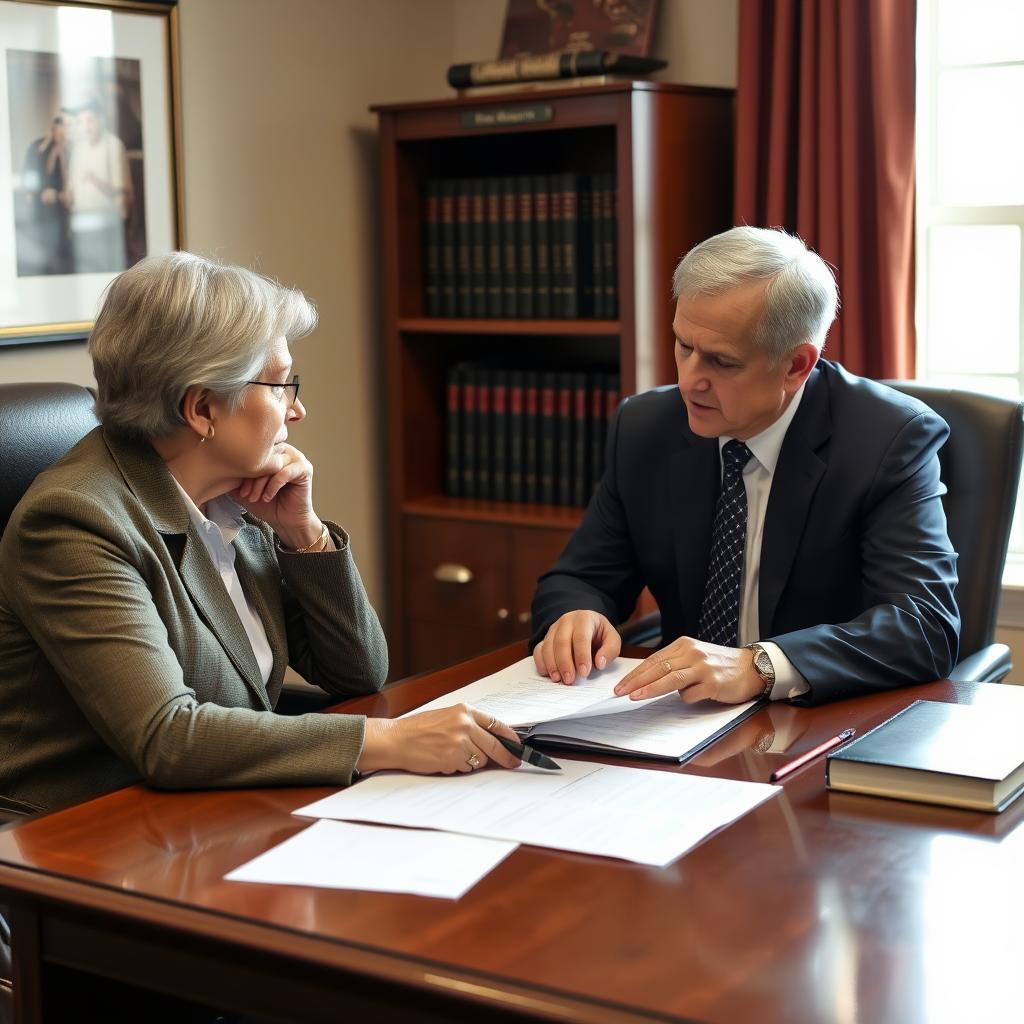
Legal Custody Lawyer Augusta County
You need a Legal Custody Lawyer Augusta County to protect your parental rights. Legal custody governs major life decisions for your child. The Augusta County Juvenile and Domestic Relations District Court handles these cases. Law Offices Of SRIS, P.C. —Advocacy Without Borders. Our attorneys fight for your decision-making authority. We understand local court procedures and judge preferences. (Confirmed by SRIS, P.C.)
Statutory Definition of Legal Custody in Virginia
Virginia Code § 20-124.1 defines legal custody as the authority to make major life decisions for a child. This includes choices about education, religious upbringing, and non-emergency medical care. The statute does not mandate joint legal custody. Courts in Augusta County award it based on the child’s best interests. Parents can share this authority or one parent can have sole legal custody. The court’s primary concern is the child’s welfare and safety.
Legal custody is separate from physical custody in Virginia law. Physical custody determines where the child lives. Legal custody determines who makes important decisions. A parent with sole physical custody may not have sole legal custody. The court can order any combination that serves the child. Understanding this distinction is critical for your case. A Legal Custody Lawyer Augusta County explains how these concepts apply.
Virginia law presumes both parents are fit and proper. This presumption guides custody decisions in Augusta County. The burden is on a parent seeking to restrict the other’s rights. They must prove such restriction is in the child’s best interest. Courts examine factors like parental cooperation and ability to communicate. Past conduct is relevant if it affects the child’s welfare.
What constitutes a “major life decision” under Virginia law?
Major decisions include school enrollment, major medical procedures, and religious instruction. Choosing a child’s primary physician is a major decision. Extracurricular activities requiring significant commitment also qualify. A Legal Custody Lawyer Augusta County can clarify specific decisions in your case. Disputes over these matters often require court intervention.
How does legal custody differ from physical custody?
Legal custody involves decision-making authority for the child’s welfare. Physical custody involves the child’s residential schedule and daily care. A parent can have one type of custody without the other. Many Augusta County orders establish joint legal custody with primary physical custody to one parent. Your lawyer will advocate for the arrangement that protects your rights.
Can legal custody be modified after the initial order?
Yes, legal custody can be modified upon a material change in circumstances. The parent seeking modification must file a petition in Augusta County Juvenile Court. They must prove the change is substantial and affects the child’s best interests. Common reasons include parental relocation, remarriage, or a change in the child’s needs. An experienced attorney can assess the strength of your petition. Learn more about Virginia family law services.
The Insider Procedural Edge in Augusta County
The Augusta County Juvenile and Domestic Relations District Court handles all custody matters. The court is located at 6 East Johnson Street in Staunton, Virginia. Custody petitions are filed with the court clerk in Room 101. Filing fees and procedural specifics are reviewed during a Consultation by appointment at our Augusta County Location. The court requires mandatory parenting education classes in many cases. These classes must be completed before a final hearing.
Augusta County courts prioritize the child’s testimony in chambers for older children. Judges often interview children aged 12 and older privately. This interview can significantly influence the custody outcome. Your attorney must prepare you for this possibility. Local judges expect strict adherence to filing deadlines and procedural rules. Missing a deadline can jeopardize your parental rights.
The timeline from filing to hearing varies based on case complexity. Contested custody cases often take several months to resolve. The court may schedule mediation before a final hearing. Augusta County uses court-appointed mediators to support agreements. If mediation fails, the case proceeds to a contested evidentiary hearing. Having a lawyer familiar with this local process is essential.
What is the address for filing custody papers in Augusta County?
File custody petitions at the Augusta County Courthouse at 6 East Johnson Street. The Juvenile and Domestic Relations District Court clerk’s Location is on the first floor. Ensure all forms are completed and notarized before submission. An attorney ensures your paperwork is filed correctly and on time.
Are there mandatory classes for parents in custody cases?
Augusta County courts often order parents to attend a “Children in the Middle” program. This class educates parents on the impact of divorce and conflict on children. Completion certificates must be filed with the court clerk. Failure to complete the class can delay your case or negatively impact the judge’s decision. Learn more about criminal defense representation.
How long does a contested custody case typically take?
A fully contested legal custody case in Augusta County can take six to nine months. The timeline depends on court docket availability and case complexity. Temporary custody orders can be obtained more quickly in urgent situations. Your lawyer will work to expedite hearings when necessary to protect your child.
Penalties & Defense Strategies for Custody Disputes
The most common penalty in custody cases is the loss of decision-making authority. Courts can award sole legal custody to one parent, restricting the other’s rights. This limits your ability to guide your child’s upbringing. Augusta County judges use specific factors to determine custody arrangements. A strong legal defense is necessary to protect your parental role.
| Offense / Issue | Penalty / Consequence | Notes |
|---|---|---|
| Failure to Cooperate on Major Decisions | Contempt of Court; Possible Modification to Sole Custody | Judges may change custody if parents cannot communicate effectively. |
| Violation of Custody Order | Contempt Fines up to $250; Jail up to 10 days | Repeated violations lead to stricter penalties and supervised visitation. |
| Denial of Court-Ordered Access | Make-Up Visitation; Attorney’s Fees Awarded to Other Parent | The court can order compensation for missed parenting time. |
| False Allegations in Custody Proceeding | Loss of Credibility; Adverse Inference on Custody Factors | Unsubstantiated claims can backfire and harm your case. |
[Insider Insight] Augusta County prosecutors and judges heavily favor documented evidence. Allegations without proof, like claims of parental unfitness, are often dismissed. The court relies on school records, medical reports, and witness testimony. Presenting a clear, factual case is more effective than emotional appeals. Your lawyer must gather and organize all relevant documentation.
Defense strategies focus on demonstrating parental fitness and cooperation. Show the court your involvement in your child’s education and healthcare. Provide records of school meetings and doctor visits. Evidence of willingness to support the child’s relationship with the other parent is crucial. Augusta County judges value parents who support the child’s bond with both sides.
What are the consequences of violating a custody order?
Violating a custody order can result in contempt of court charges. Penalties include fines, mandatory parenting classes, or jail time. The court may also modify the existing order to restrict your rights. Consistent violations can lead to supervised visitation requirements. A lawyer can defend against contempt allegations or seek order modifications. Learn more about personal injury claims.
Can I be fined for not following a legal custody agreement?
Yes, the court can impose fines for willful non-compliance with custody orders. Fines are typically used to compel future cooperation. The court may also award the other parent their attorney’s fees incurred to enforce the order. Persistent issues can result in more severe sanctions. Legal counsel is critical when facing enforcement actions.
How do courts handle false allegations in custody cases?
Augusta County courts scrutinize allegations of abuse or neglect carefully. Unproven allegations can damage the accusing parent’s credibility. Judges may view such tactics as harmful to the child’s best interest. The parent making false claims risks losing custody or decision-making authority. Your attorney will challenge unsubstantiated claims with factual evidence.
Why Hire SRIS, P.C. for Your Augusta County Custody Case
Our lead family law attorney is a Virginia State Bar member with extensive trial experience. This attorney has handled numerous custody cases in Augusta County courts. They understand the local judges’ preferences and procedural nuances. SRIS, P.C. provides focused representation for parents fighting for their rights. We prepare every case for trial to achieve the best possible outcome.
SRIS, P.C. has a dedicated team for family law matters in Augusta County. We assign a primary attorney and a paralegal to each client. This ensures consistent communication and thorough case preparation. Our attorneys develop strategies based on the specific facts of your situation. We do not use a one-size-fits-all approach to custody disputes.
We have a record of achieving favorable outcomes for clients in Augusta County. Our focus is on protecting your relationship with your child. We advocate for custody arrangements that serve your child’s long-term well-being. Our goal is to secure your decision-making rights through negotiation or litigation. You need a firm that will stand with you throughout the process. Learn more about our experienced legal team.
Localized FAQs for Augusta County Custody
What factors do Augusta County judges consider for legal custody?
Judges consider the child’s age and needs, parental cooperation, and each parent’s willingness to support the child’s relationship with the other parent. The child’s preference may be considered if they are mature enough. The primary factor is always the child’s best interests.
How is child support affected by legal custody in Virginia?
Legal custody does not directly determine child support in Virginia. Support is calculated based on parental income, custody time, and childcare costs. A parent with sole legal custody does not automatically receive more support. The court uses statewide guidelines to calculate the obligation.
Can grandparents seek legal custody in Augusta County?
Grandparents can petition for custody if they have a legitimate interest and the parents are unfit. They must prove awarding custody to them is in the child’s best interest. This is a high legal standard. Grandparents often face significant legal hurdles in custody cases.
What is the difference between joint and sole legal custody?
Joint legal custody means both parents share major decision-making authority. Sole legal custody grants one parent the exclusive right to make these decisions. Augusta County courts often prefer joint custody when parents can communicate. Sole custody is ordered when cooperation is impossible or detrimental.
How do I change a legal custody order in Augusta County?
File a petition to modify custody with the Juvenile and Domestic Relations District Court. You must prove a material change in circumstances affecting the child’s welfare. The change must be substantial and warrant a modification. An attorney can help you build a strong case for modification.
Proximity, CTA & Disclaimer
Our Augusta County Location is strategically positioned to serve clients throughout the region. We are accessible from Staunton, Waynesboro, and surrounding communities. Consultation by appointment. Call 855-696-3348. 24/7.
SRIS, P.C.
Advocacy Without Borders.
For specific directions to our Location, contact us directly.
Past results do not predict future outcomes.