
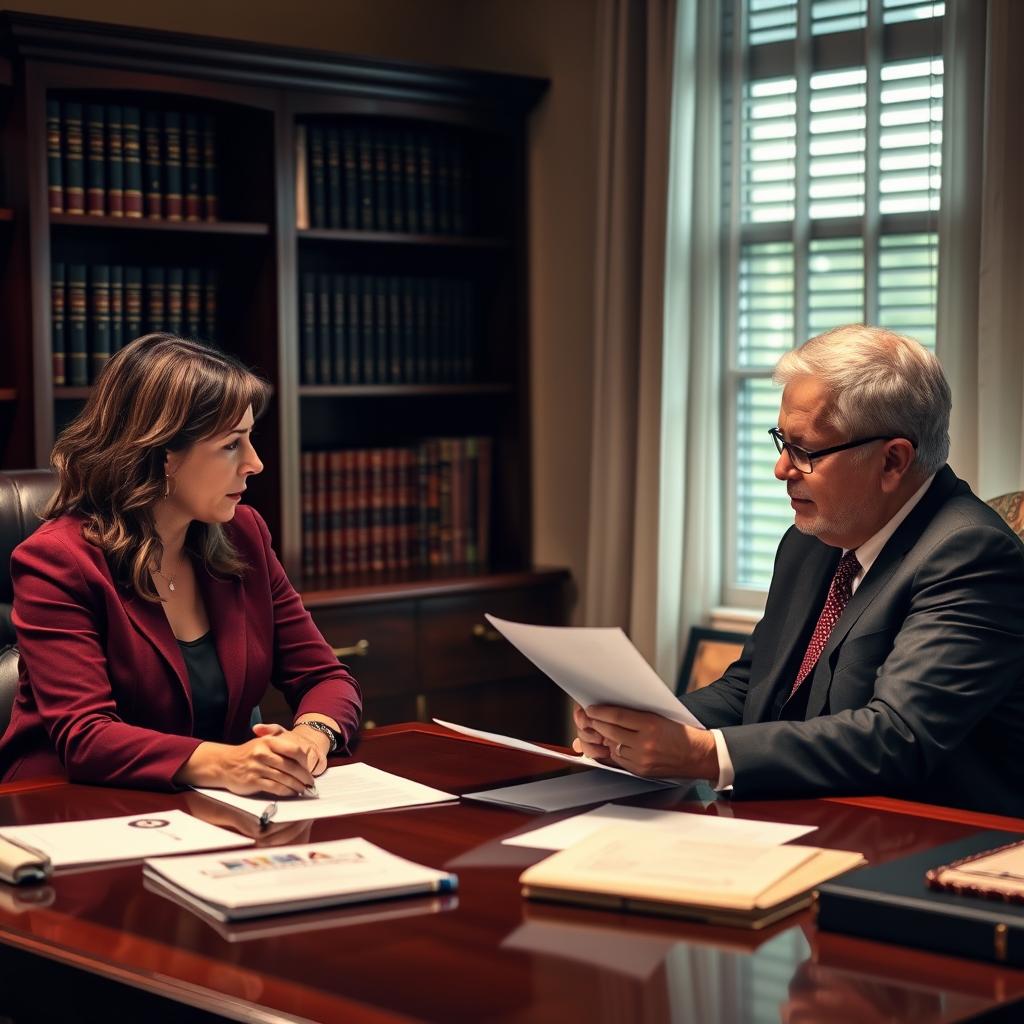
Cruelty Divorce Lawyer Rappahannock County
You need a Cruelty Divorce Lawyer Rappahannock County to prove your spouse’s conduct made cohabitation unsafe. Virginia law defines cruelty as acts that endanger life, limb, or health. The Rappahannock County Circuit Court handles these cases. Law Offices Of SRIS, P.C. —Advocacy Without Borders. has attorneys who know this court. You must present clear evidence of physical violence or reasonable fear. (Confirmed by SRIS, P.C.)
Statutory Definition of Cruelty in Virginia Divorce
Virginia Code § 20-91(A)(6) defines cruelty as a fault-based ground for divorce. The statute requires proof that one spouse’s conduct endangered the other’s life, limb, or health. It also covers conduct that creates a reasonable apprehension of bodily hurt. This legal standard is strict. Mere unhappiness or verbal arguments is not enough. You must show a pattern or severe incident that made cohabitation unsafe. The burden of proof rests entirely on the spouse filing for divorce. A Cruelty Divorce Lawyer Rappahannock County knows how to meet this burden. Documentary evidence and witness testimony are critical. Medical records can prove physical harm. Police reports or protective orders demonstrate reasonable fear. The court looks for objective evidence of danger. Subjective feelings of distress are insufficient. The conduct must have occurred within the five years prior to filing. This is a statutory limitation period. Acts of cruelty from more than five years ago may not be admissible. The classification is a no-fault divorce ground. The maximum penalty is the dissolution of marriage. Fault can impact spousal support and property division. Proving cruelty can affect the final settlement terms.
What constitutes “reasonable apprehension of bodily hurt”?
Reasonable apprehension means a genuine fear of physical harm that any person would feel. The threat must be credible and immediate. A single violent incident can establish this fear. Repeated threats of violence also qualify. The court assesses the reasonableness of your fear. It considers the context and history of the relationship. Evidence includes threatening messages, witness accounts, or a history of abuse. A protective order is strong proof of reasonable apprehension. You do not need to wait for actual physical injury. The law protects your right to safety. A Rappahannock County cruelty divorce attorney can evaluate your situation.
How does cruelty differ from other fault grounds?
Cruelty specifically addresses physical danger or the threat of it. Other fault grounds like desertion or adultery have different elements. Desertion involves one spouse leaving without cause. Adultery requires proof of voluntary sexual intercourse. Cruelty focuses on conduct that endangers health or safety. It is often the most visceral and documented ground. The evidence for cruelty is typically more tangible. Police reports and medical records are common. This differs from the private nature of adultery evidence. The court takes allegations of physical danger seriously. Understanding these distinctions is key to filing correctly.
Can emotional abuse alone support a cruelty claim?
Pure emotional abuse without physical threat rarely meets the statutory definition. Virginia’s cruelty ground requires a threat to “life, limb, or health.” Courts have interpreted health to include mental health in extreme cases. However, the link to physical safety must be clear. Severe psychological torment that causes physical symptoms may be argued. Examples include stress-induced illness or documented mental health crises. The standard is high and fact-specific. You need compelling medical testimony. A Rappahannock County lawyer can assess if your case meets this threshold.
The Insider Procedural Edge in Rappahannock County
The Rappahannock County Circuit Court is where you file for divorce. The address is 247 Gay Street, Washington, VA 22747. This court handles all fault-based divorce petitions. You must file a Complaint for Divorce stating the cruelty ground. The filing fee is set by the Virginia Supreme Court. Procedural specifics for Rappahannock County are reviewed during a Consultation by appointment at our Location. The court expects precise legal paperwork. Errors can cause delays or dismissal. Local rules may dictate specific formatting requirements. Serving the complaint on your spouse must follow Virginia law. This often requires a sheriff or process server. The court’s timeline from filing to final hearing varies. Uncontested cases may resolve faster. Contested cruelty divorces take longer due to evidence gathering. Expect several months to over a year. The court’s docket and complexity of your case affect this. Having a lawyer familiar with this court is a major advantage. They know the clerks and judges’ preferences. This knowledge simplifies the process.
What is the typical timeline for a cruelty divorce here?
A contested cruelty divorce in Rappahannock County often takes nine to fifteen months. The timeline starts with filing the complaint. Your spouse has 21 days to file an Answer. Discovery periods for gathering evidence can last months. Settlement negotiations may occur at any point. If no settlement, the court schedules a trial. Trial dates depend on the court’s availability. The rural nature of the county can affect scheduling. Fewer judges mean potentially longer waits. An experienced attorney can work to expedite certain steps. They know how to manage the discovery process efficiently. Learn more about Virginia family law services.
What are the court filing fees?
The filing fee for a divorce complaint in Virginia circuit courts is approximately $89. This fee is subject to change by the Virginia Supreme Court. Additional costs include fees for serving the complaint. Sheriff’s service fees in Rappahannock County apply. There may be fees for filing motions or other pleadings. If the case goes to trial, there are witness fees. Court reporter fees for transcripts are also possible. Your attorney will provide a detailed cost breakdown. Fee waivers are available for those who qualify. You must submit a financial affidavit to the court.
Penalties & Defense Strategies in Cruelty Cases
The most common penalty in a cruelty divorce is the court granting the divorce and potentially awarding spousal support to the victim. Fault directly impacts financial outcomes. The court considers cruelty when dividing marital property. It may award a larger share to the innocent spouse. The table below outlines potential outcomes.
| Offense / Finding | Penalty / Outcome | Notes |
|---|---|---|
| Proven Cruelty | Divorce granted on fault grounds. | This is the primary result. |
| Impact on Support | May increase spousal support award to victim. | Court has discretion based on need and conduct. |
| Property Division | May justify unequal distribution in victim’s favor. | Virginia is an equitable distribution state. |
| Defense Against False Allegations | Defense can counter-sue for divorce on other grounds. | Such as desertion or constructive desertion. |
[Insider Insight] Rappahannock County prosecutors in juvenile & domestic relations matters, and judges in circuit court, take allegations of physical violence seriously. They expect clear, documented evidence. Hearsay or vague accusations are often dismissed. The local legal community is small. Reputations and credibility matter greatly. Presenting a well-documented case is paramount. Defense strategies often focus on disproving the danger. They may argue the acts were isolated or mutual. They may challenge the reasonableness of the alleged fear. A strong defense requires dismantling the plaintiff’s evidence point by point.
How does cruelty affect spousal support awards?
Virginia Code § 20-107.1 allows the court to consider marital misconduct. Proven cruelty is a significant factor. The court can award support to the victim spouse. It can also deny support to the abusive spouse. The amount and duration of support may be increased. The goal is to address the economic impact of the abusive marriage. The court looks at the need of the recipient and the payer’s ability. Fault can tip the scales significantly. This is a key reason to fight false allegations.
What are common defenses against cruelty allegations?
Common defenses include provocation, fabrication, and lack of evidence. The accused may argue the plaintiff provoked the incident. They may claim the allegations are exaggerated or false. The defense will challenge the plaintiff’s documentation. They may present evidence of the plaintiff’s own misconduct. Another defense is reconciliation. If the couple continued cohabitation after the alleged acts, it weakens the claim. The defense may argue the fear was not reasonable. They use counter-witnesses and alternative evidence. A skilled criminal defense representation background is useful here. Learn more about criminal defense representation.
Why Hire SRIS, P.C. for Your Rappahannock County Cruelty Divorce
Our lead attorney for family law matters has over a decade of Virginia court experience. This attorney knows the Rappahannock County Circuit Court judges and procedures. SRIS, P.C. has secured favorable outcomes in family law cases across the state. We approach cruelty divorce cases with a focus on evidence and strategy. We gather medical records, police reports, and witness statements. We build a narrative the court will understand. Our team prepares for every possible defense tactic. We protect your rights during a highly emotional process. We provide clear, direct advice about your options. We do not sugarcoat the challenges. We give you an honest assessment of your case. We then fight aggressively for the result you need. Our experienced legal team works together on complex issues. We have resources to handle detailed discovery and investigations.
Primary Attorney: Attorney credentials and specific case result counts for Rappahannock County are reviewed during a Consultation by appointment. Our attorneys are licensed to practice in all Virginia courts. They have handled contested divorces involving fault grounds.
Localized Rappahannock County Cruelty Divorce FAQs
What evidence do I need for a cruelty divorce in Rappahannock County?
How long must I live in Rappahannock County to file for divorce here?
Can I get a divorce based on cruelty if there was no physical violence?
Will I have to testify about the abuse in open court?
How does cruelty affect child custody in Virginia?
Proximity, Contact, and Final Disclaimer
Our Virginia Location serves clients in Rappahannock County. Procedural specifics for Rappahannock County are reviewed during a Consultation by appointment at our Location. Consultation by appointment. Call 888-437-7747. 24/7. Our legal team is ready to discuss your cruel treatment divorce grounds. We understand the sensitive nature of abusive marriage divorce cases. We provide direct, confidential legal advice. We will explain the process for Rappahannock County. We will outline a potential strategy for your situation. Contact SRIS, P.C. to schedule a case review.
NAP: SRIS, P.C., 888-437-7747.
Past results do not predict future outcomes.