
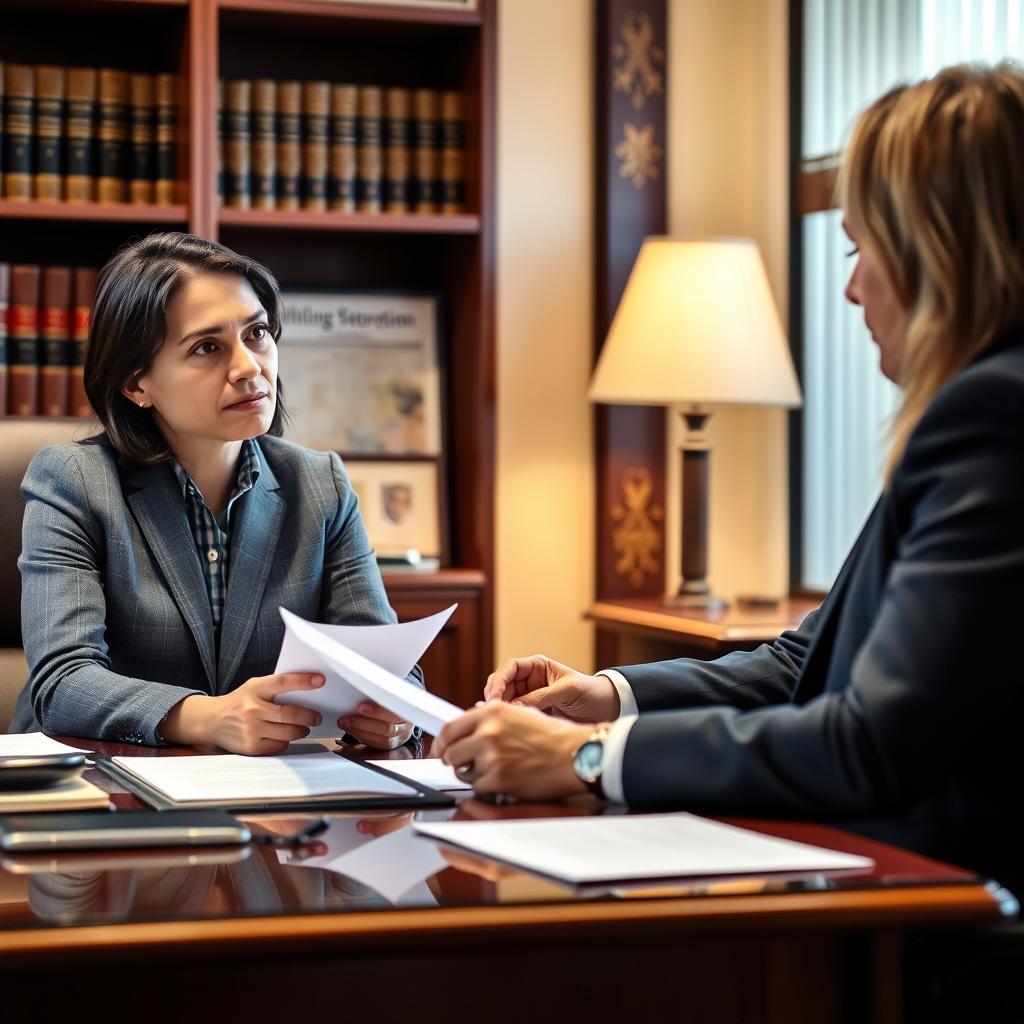
Cruelty Divorce Lawyer Loudoun County
A cruelty divorce in Loudoun County is based on proving cruel treatment that endangers life or health. You need a cruelty divorce lawyer Loudoun County to build a strong evidentiary case for the court. Law Offices Of SRIS, P.C. —Advocacy Without Borders. Our team understands the specific standards of the Loudoun County Circuit Court. (Confirmed by SRIS, P.C.)
Statutory Definition of Cruelty in Virginia Divorce Law
Virginia Code § 20-91(A)(6) defines cruelty as a fault-based ground for divorce—requiring proof of acts that endanger life, limb, or health. The statute requires clear and convincing evidence that one spouse’s conduct made cohabitation unsafe. This is not about minor arguments or general unhappiness. The legal standard focuses on a sustained pattern or a single severe act that renders continuing the marriage intolerable. Proving this ground in Loudoun County demands precise documentation and often witness testimony. A cruelty divorce lawyer Loudoun County must connect specific acts to the statutory definition. The burden of proof rests entirely on the spouse filing for divorce.
What specific acts constitute cruelty under Virginia law?
Acts constituting cruelty include physical violence, threats of bodily harm, and mental abuse that causes reasonable fear. Verbal abuse, intimidation, and coercive control can meet the standard if they impact health. Loudoun County judges examine the frequency, severity, and resulting impact of the conduct. Isolated incidents may suffice if they are particularly egregious. Documentation like police reports, medical records, and personal journals is critical.
How does cruelty differ from a “no-fault” divorce in Virginia?
Cruelty is a fault-based ground requiring proof of misconduct, unlike a no-fault separation period. A no-fault divorce under § 20-91(9) requires living separate and apart for one year. Proving cruelty can impact financial outcomes, such as spousal support awards. Fault can influence a judge’s decisions on equitable distribution in Loudoun County. Choosing the correct ground is a strategic decision made with counsel.
What is the evidentiary standard for proving cruelty in court?
The evidentiary standard is clear and convincing evidence, which is higher than a mere preponderance. You must prove that the alleged acts occurred and that they meet the legal definition. Corroborating evidence is often necessary to meet this standard in Loudoun County Circuit Court. Testimony from the filing spouse alone is frequently insufficient. A cruelty divorce lawyer Loudoun County gathers medical records, witness statements, and documentary proof.
The Insider Procedural Edge in Loudoun County Circuit Court
Your case will be filed at the Loudoun County Circuit Court located at 18 E. Market Street, Leesburg, VA 20176. This court handles all fault-based divorce complaints, including those grounded in cruelty. The filing fee for a divorce complaint in Loudoun County is currently $89.00. You must file the original complaint and serve the other spouse according to Virginia rules. The court’s procedural rules are strict, and deadlines are enforced. Local rules may require mandatory mediation sessions before a trial date is set. Understanding the local clerk’s requirements for filing motions is essential. Learn more about Virginia family law services.
What is the typical timeline for a cruelty divorce case in Loudoun County?
The timeline varies but typically spans several months to over a year if contested. The process begins with filing the complaint and effecting proper service on the respondent. The respondent has 21 days to file an Answer after being served. Discovery, mediation, and potential pre-trial hearings add to the timeline. An uncontested case based on cruelty can be finalized more quickly. A contested case requiring a trial will take the longest. A local attorney can provide a more specific estimate based on the court’s docket.
The legal process in loudoun county follows specific procedural requirements that affect case timelines and outcomes. Courts in this jurisdiction apply local rules that may differ from neighboring areas. An attorney familiar with loudoun county court procedures can identify procedural advantages relevant to your situation.
Are there specific local rules or judges known for these cases?
Loudoun County Circuit Court has local rules governing family law motions and mediation. Specific judges have reputations for particular approaches to fault grounds and evidence. Knowledge of these tendencies is a key advantage for a cruelty divorce lawyer Loudoun County. Procedural specifics for Loudoun County are reviewed during a Consultation by appointment at our Loudoun County Location.
Penalties & Defense Strategies in a Cruelty Divorce
The most common penalty in a cruelty divorce is its impact on financial awards, not jail time. A finding of cruelty can significantly affect spousal support and property division. The court may award a larger share of marital assets to the innocent spouse. It can also influence child custody determinations if the cruelty impacted the children. The primary “penalty” for the at-fault spouse is financial and legal. Learn more about criminal defense representation.
Virginia law establishes specific statutory frameworks that govern these matters. Each case involves unique factual circumstances that require careful legal analysis. SRIS, P.C. attorneys evaluate every relevant factor when developing case strategy for clients in loudoun county.
| Offense / Finding | Penalty / Consequence | Notes |
|---|---|---|
| Proven Cruelty | Bar to spousal support for at-fault spouse; possible award to innocent spouse. | Governed by VA Code § 20-107.1. |
| Proven Cruelty | Factor in equitable distribution of marital property. | Court may grant a more favorable division to innocent party. |
| Defense: Recrimination | If both spouses committed cruelty, the divorce may be denied on this ground. | Court may direct parties to use a no-fault ground instead. |
| Defense: Condonation | If the innocent spouse forgave and resumed cohabitation, the cruelty claim may be barred. | Resumption of marital relations must be voluntary. |
[Insider Insight] Loudoun County prosecutors in juvenile & domestic relations matters and family court judges view credible documentation as paramount. Allegations without corroboration are often dismissed. The trend is toward requiring concrete evidence over mere testimony.
How does a cruelty finding affect spousal support in Virginia?
A cruelty finding can bar the at-fault spouse from receiving any spousal support. It is a statutory factor under Virginia Code § 20-107.1 that judges must consider. The court can award support to the innocent spouse based on need and the other’s fault. The duration and amount of support can be influenced by the severity of the conduct. This makes fault a powerful financial lever in divorce negotiations.
Can cruelty allegations impact child custody decisions?
Yes, if the cruelty created an environment harmful to the child’s welfare. The court’s primary concern in custody under § 20-124.3 is the child’s best interests. Evidence of abuse directed at a child or witnessed by a child is heavily weighted. Even cruelty between spouses can be considered if it affects the child’s environment. Loudoun County judges will examine any evidence of domestic violence closely. Learn more about personal injury claims.
Court procedures in loudoun county require proper documentation and adherence to filing deadlines. Missing a deadline or submitting incomplete filings can negatively impact case outcomes. Working with an attorney who handles cases in loudoun county courts regularly ensures that procedural requirements are met correctly and on time.
Why Hire SRIS, P.C. for Your Loudoun County Cruelty Divorce
Our lead attorney for family law matters has over a decade of focused litigation experience in Virginia courts. We assign attorneys with specific knowledge of Loudoun County’s family law judges and procedures. SRIS, P.C. has achieved favorable outcomes in numerous contested divorce cases in the locality.
Primary Attorney: Our seasoned family law litigator has handled complex fault-based divorces across Northern Virginia. This attorney’s practice is dedicated to divorce and family law, providing focused advocacy. They are familiar with the evidentiary requirements of the Loudoun County Circuit Court.
The timeline for resolving legal matters in loudoun county depends on multiple factors including case type, court scheduling, and the positions of all parties involved. SRIS, P.C. keeps clients informed throughout the process and works to move cases forward as efficiently as possible. Learn more about our experienced legal team.
Our approach is direct and strategic, avoiding unnecessary conflict while protecting your rights. We prepare every case as if it will go to trial, which strengthens your negotiation position. We understand the sensitive nature of cruelty allegations and handle evidence discreetly. Our Loudoun County Location allows for convenient meetings and court appearances.
Localized FAQs for Cruelty Divorce in Loudoun County
What evidence do I need to prove cruelty in Loudoun County court?
Can I file for cruelty divorce if there was no physical violence?
How long do I have to prove the cruelty occurred?
Will my cruelty divorce case be public record in Loudoun County?
What if my spouse denies the cruelty allegations?
Proximity, CTA & Disclaimer
Our Loudoun County Location is strategically positioned to serve clients throughout the county. We are accessible for case reviews and court appearances at the Loudoun County Circuit Court. Consultation by appointment. Call 571-279-0110. 24/7.
Law Offices Of SRIS, P.C.
Address for correspondence and appointments will be provided when you call.
Phone: 571-279-0110
Financial implications are often a significant concern in legal proceedings. Virginia courts consider relevant financial factors when making determinations. Proper preparation of financial documentation strengthens your position and supports favorable outcomes in loudoun county courts.
Past results do not predict future outcomes.