
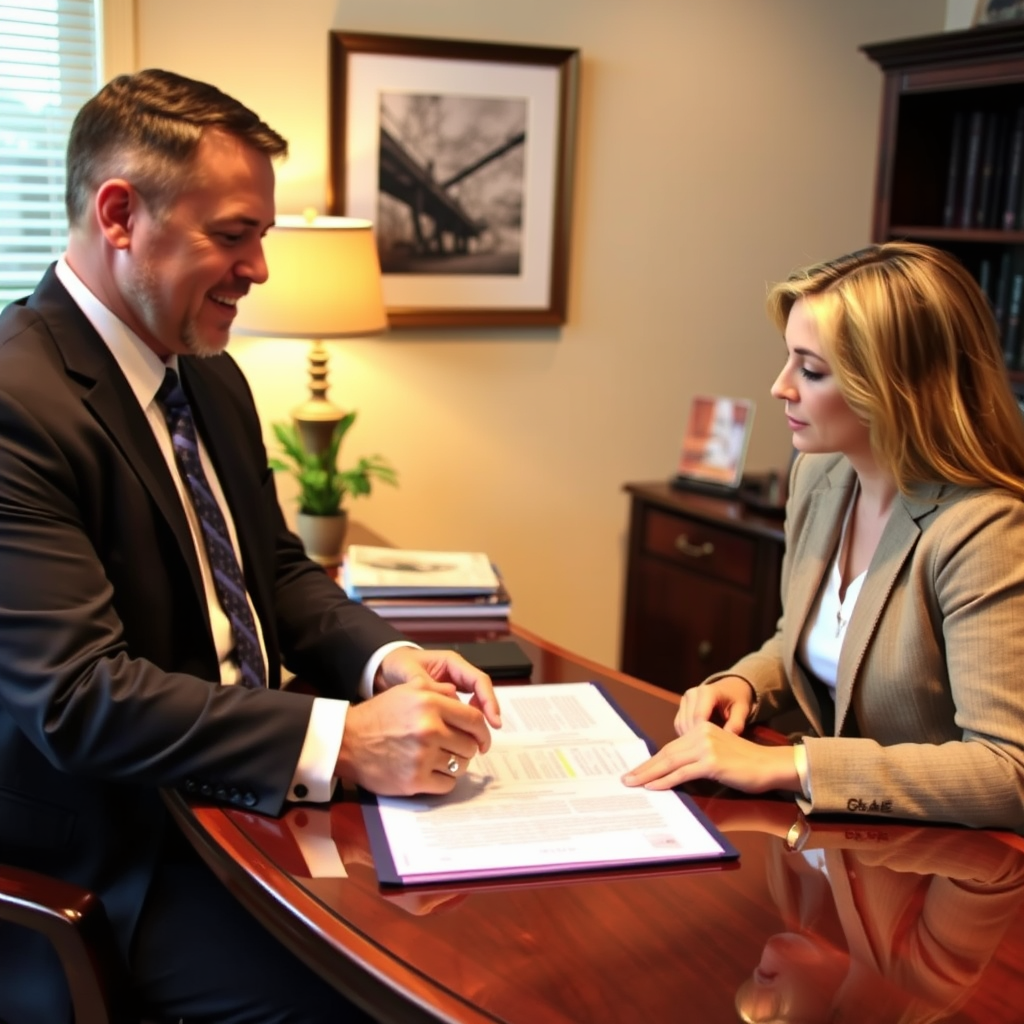
Marital Agreement Lawyer in Fairfax VA: Protecting Your Future with Clear Agreements
As of December 2025, the following information applies. In Fairfax, Marital Agreement Lawyer In Fairfax VA involves crafting legally sound prenuptial or postnuptial agreements to protect assets and define responsibilities before or during marriage. These agreements offer couples peace of mind and clarity regarding their financial futures, avoiding potential disputes later on. The Law Offices Of SRIS, P.C. provides dedicated legal defense for these matters.
Confirmed by Law Offices Of SRIS, P.C.
What is a Marital Agreement in Fairfax, VA?
Simply put, a marital agreement is a contract between two people who are either planning to get married (a prenuptial agreement, or ‘prenup’) or are already married (a postnuptial agreement, or ‘postnup’). These agreements lay out how a couple’s assets, debts, and financial responsibilities will be handled if their marriage ends, whether by divorce or death. Think of it like a smart financial roadmap for your marriage, helping you decide together what happens down the line. It’s about being prepared and protecting what you’ve both worked hard for, or what one of you brings into the marriage.
Takeaway Summary: A marital agreement is a clear, legally binding contract that defines financial terms for a marriage, offering protection and peace of mind. (Confirmed by Law Offices Of SRIS, P.C.)
How Do I Create a Strong Marital Agreement in Fairfax, VA?
Putting together a marital agreement, whether it’s a prenup or a postnup, isn’t something you do lightly. It needs to be thorough, fair, and legally sound to hold up if ever challenged. Here’s a basic roadmap to getting it right:
-
Start the Conversation Early and Honestly
This might be the toughest part, but it’s essential. Before you even think about lawyers, you and your partner need to have an open, honest discussion about your finances, your expectations for the marriage, and what you both want to protect. Talk about assets, debts, inheritances, future earnings, and even family businesses. The goal here isn’t to create division, but to foster understanding and alignment on a critical aspect of your shared future. Be upfront about any concerns or non-negotiables you might have. Blunt Truth: Avoiding this conversation now can lead to much bigger, more painful conversations later.
-
Seek Independent Legal Counsel
This is non-negotiable. Each party in a marital agreement MUST have their own independent attorney. Why? Because your lawyer’s job is to represent YOUR best interests, ensuring you understand every clause, every implication, and that your rights are fully protected. Trying to share a lawyer, or going without one, is a recipe for disaster and can be grounds for the agreement being thrown out later. Your attorney will help you gather necessary financial disclosures and explain the law as it applies to your unique situation.
-
Provide Full Financial Disclosure
For a marital agreement to be valid in Virginia, both parties must fully and accurately disclose all their assets, debts, income, and any other financial information that could be relevant. Hiding assets or downplaying debts can invalidate the entire agreement. This isn’t just about being honest; it’s a legal requirement. Your attorney will guide you through what needs to be disclosed and how to present it clearly. This transparency is foundational to the agreement’s enforceability and fairness.
-
Negotiate the Terms Thoughtfully
Once both of you have independent counsel and have disclosed your finances, the actual negotiation begins. This is where your attorneys will work together to draft terms that reflect your discussions and protect both your interests. This can involve deciding on property division, spousal support (alimony), management of shared property, and even provisions for how future assets or earnings will be treated. It’s not about winning or losing; it’s about reaching a mutually agreeable outcome that provides security for both spouses.
-
Draft and Review the Agreement Meticulously
After negotiations, your attorney will draft the formal marital agreement. This document will include all the agreed-upon terms, written in precise legal language. You’ll need to review it carefully with your attorney, asking any questions you have until you’re completely satisfied you understand every aspect. Don’t rush this step. It’s the final blueprint of your financial future, and you want to make sure it says exactly what you intend it to say.
-
Sign the Agreement Voluntarily and Formally
The last step is signing the agreement. In Virginia, a marital agreement must be in writing and signed by both parties. It’s often recommended to have it notarized. Crucially, both parties must sign voluntarily, without any duress, coercion, or undue influence. This means you can’t be pressured into signing it at the last minute or under stressful conditions. A valid agreement is a product of informed consent from both individuals. Once signed, it becomes a legally binding contract.
Following these steps with knowledgeable legal guidance from Law Offices Of SRIS, P.C. helps ensure your marital agreement is robust and enforceable, providing the security you both deserve.
Can a Marital Agreement Be Challenged in Fairfax, VA?
It’s a common worry: you go through all the trouble to create a marital agreement, but will it actually hold up if things go south? The short answer is, yes, marital agreements can be challenged in Fairfax, VA, but the grounds for doing so are fairly specific and often difficult to prove. Virginia law sets clear standards for when a prenup or postnup might be deemed unenforceable. Understanding these challenges can give you peace of mind that a well-drafted agreement provides strong protection.
Common Grounds for Challenging a Marital Agreement:
- Lack of Full Disclosure: One of the most common reasons an agreement might be overturned is if one party failed to provide a full and fair disclosure of their assets and debts before signing. If you deliberately hid significant assets or debts, the court might view the agreement as unfair and refuse to enforce it. The law insists on transparency; you can’t enter into such a significant contract while keeping financial secrets.
- Duress or Coercion: If one party was forced or pressured into signing the agreement against their will, it might be challenged. This isn’t just about feeling rushed; it means there was a significant threat or improper influence that removed their free will. For example, presenting a prenup minutes before a wedding with an ultimatum to sign or the wedding is off could be seen as duress. Courts want to see that both parties entered the agreement voluntarily.
- Unconscionability: This is a high bar to meet. An agreement can be challenged if it’s considered ‘unconscionable,’ meaning it’s so one-sided and unfair that no reasonable person would agree to it, and no honest person would accept it. This usually applies when the agreement would leave one spouse in extreme financial hardship while the other remains wealthy, especially if the disadvantaged spouse didn’t have independent counsel and wasn’t aware of their rights. It’s not just about one person getting a ‘better deal,’ but about fundamental unfairness.
- Lack of Independent Legal Counsel: While not strictly required by Virginia law, the absence of independent legal representation for one or both parties can make an agreement vulnerable to challenge. If one spouse didn’t have a lawyer, and they claim they didn’t understand what they were signing or were misled, a court might look more critically at the agreement’s fairness and voluntariness.
- Fraud or Misrepresentation: If one party knowingly made false statements or intentionally concealed important facts to trick the other party into signing, the agreement could be invalidated due to fraud. This is a serious claim and requires clear proof.
It’s important to remember that courts generally uphold marital agreements, especially if they were properly drafted, with full disclosure and independent counsel. The burden of proof to overturn an agreement rests heavily on the person challenging it. That’s why getting it right from the start with an experienced Fairfax prenup attorney is so critical. We can help you draft an agreement that stands strong, even if circumstances change.
Why Hire Law Offices Of SRIS, P.C. as Your Marital Agreement Lawyer in Fairfax, VA?
When you’re dealing with something as personal and financially significant as a marital agreement, you don’t just need a lawyer; you need an attorney who understands the nuances, the emotions, and the critical importance of getting it right. At Law Offices Of SRIS, P.C., we bring a seasoned approach to these sensitive matters, offering peace of mind through careful planning and diligent representation.
Mr. Sris, our founder, offers this insight:
“My focus since founding the firm in 1997 has always been directed towards personally handling the most challenging and complex criminal and family law matters our clients face.”
This commitment to personally engaging with significant cases extends directly to how we approach marital agreements. We understand that while these documents are legal, they touch on the very core of your relationship and your future security. Our goal isn’t just to draft a document; it’s to provide counsel that empowers you to make informed decisions and build a secure foundation.
We’re not just about legal documents; we’re about understanding your unique circumstances. Whether you’re considering a prenup to protect a family business, an inheritance, or assets you’ve accumulated before marriage, or a postnup to solidify financial arrangements after you’ve tied the knot, we’re here to guide you. Our approach is direct, empathetic, and always focused on achieving your goals while adhering to the highest ethical standards.
Choosing Law Offices Of SRIS, P.C. means you’re choosing a firm that prioritizes your individual needs and works tirelessly to ensure your marital agreement is both legally sound and reflective of your true intentions. We’ll walk you through the process, explain the legal jargon in plain English, and help you negotiate terms that protect your best interests without creating unnecessary conflict.
For a confidential case review regarding your marital agreement in Fairfax, VA, reach out to us today. We’re ready to help you plan for a stable and predictable financial future.
Law Offices Of SRIS, P.C.
4008 Williamsburg Court,Fairfax,VA,22032,US
Phone: +1-703-636-5417
Call now for dedicated legal support.
Frequently Asked Questions About Marital Agreements in Fairfax, VA
Q1: What’s the main difference between a prenup and a postnup?
A prenup (prenuptial agreement) is made before marriage to outline asset and debt division if the marriage ends. A postnup (postnuptial agreement) is created after marriage, serving the same purpose but for couples already wed. Both aim to clarify financial terms.
Q2: Can a marital agreement cover child custody or support?
No, generally not. Virginia courts prioritize the child’s best interests for custody and support. Marital agreements usually cannot pre-determine these matters, as courts retain jurisdiction to ensure fair and appropriate arrangements for children.
Q3: What assets can a marital agreement protect?
Marital agreements can protect a wide range of assets, including real estate, investments, inheritances, business interests, and retirement accounts. They can also address how future earnings or properties acquired during marriage will be classified and divided.
Q4: Is a marital agreement only for wealthy individuals?
Not at all. While often associated with wealth, marital agreements are valuable for anyone entering marriage with existing assets, debts, or even future expectations. They provide clarity and protection for modest estates just as they do for larger ones.
Q5: How long does it take to create a marital agreement?
The timeline varies depending on the complexity of finances and the couple’s ability to agree on terms. It can take several weeks to a few months, involving disclosures, negotiations, and drafting. Starting early is always advisable.
Q6: Do both parties need separate lawyers for a marital agreement?
Yes, it’s highly recommended and often considered essential for the agreement’s enforceability. Each party having independent legal counsel ensures their rights are protected and they fully understand the agreement’s implications, preventing future challenges.
Q7: Can a marital agreement be amended after it’s signed?
Yes, a marital agreement can be amended or revoked, but it requires the mutual written consent of both parties. Any changes must also comply with the legal formalities of the original agreement, typically requiring independent legal review.
Q8: What happens if we don’t have a marital agreement?
Without a marital agreement, Virginia law dictates how assets, debts, and spousal support are handled in a divorce. This means a judge will apply statutory rules, which might not align with your individual preferences or expectations for property division.
Q9: Are marital agreements public records in Virginia?
No, marital agreements are private contracts between spouses. They are generally not filed with the court unless there’s a need to enforce them during a divorce proceeding. This maintains the privacy of your financial arrangements.
Q10: Can a marital agreement protect me from my spouse’s pre-existing debt?
Yes, a carefully drafted marital agreement can delineate responsibility for pre-marital debts, preventing one spouse from becoming liable for the other’s prior financial obligations. It provides a clear separation of individual financial responsibilities.
The Law Offices Of SRIS, P.C. has locations in Virginia in Fairfax, Loudoun, Arlington, Shenandoah and Richmond. In Maryland, our location is in Rockville. In New York, we have a location in Buffalo. In New Jersey, we have a location in Tinton Falls.
Past results do not predict future outcomes.